
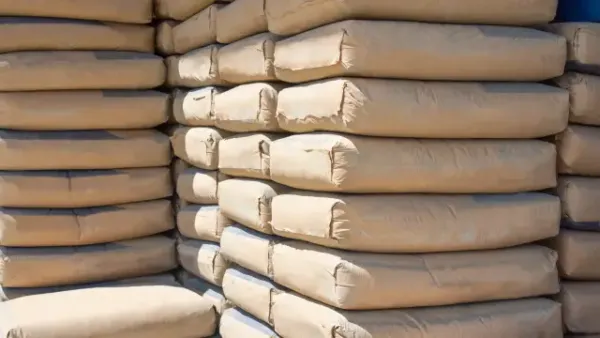

Based on the latest report from Nuvama Institutional Equities (released March 6, 2026), the Indian cement sector is entering a period of "healthy demand" but faces significant margin pressure from global headwinds.
Here is a detailed breakdown of the current outlook, including context from the broader industry and recent economic developments.
The cement industry experienced a notable recovery in demand starting in February 2026, a trend that is expected to persist through the end of the current fiscal year (March 31). This uptick is largely attributed to the typical year-end push by construction firms to complete projects and the government's acceleration of infrastructure spending. Nuvama's report indicates that dealer checks across the country confirm a steady flow of orders, providing a positive short-term volume outlook for manufacturers.
While demand is high, pricing remains unstable. In February, manufacturers attempted price hikes of ₹5-10 per bag in North, West, and Central India, and up to ₹15 per bag in the East and South for the non-trade segment. However, most of these hikes were rolled back within the same month to prioritize volume growth over margins. As of early March 2026, no new price hikes have been implemented, and prices are expected to remain stable at current levels as companies compete to capture market share before the financial year ends.
A critical risk highlighted by Nuvama is the sharp rise in petroleum coke (pet coke) prices, which increased by $13 per tonne month-on-month in February 2026. Because pet coke is a primary fuel source for cement kilns, this surge directly impacts power and fuel costs-one of the largest expenditure items for cement companies.
The Lag Effect: While these costs may not hit the current quarter (Q4FY26) due to existing low-cost inventory, the report warns that the impact will become highly visible in Q1FY27 (April-June 2026), likely compressing profit margins.
Alternative Fuels: Some producers are increasingly looking at high-calorific US coal as a cheaper alternative to combat this price surge.
The report underscores that external "geopolitical issues" are now a primary concern for the sector. Ongoing conflicts in the Middle East-specifically tensions involving the U.S. and Iran-have caused crude oil prices to surge, which in turn inflates diesel and logistics costs.
Supply Chain Disruption: Analysts note that roughly 4-6 lakh tonnes of pet coke pass through the Strait of Hormuz monthly. India, which imports nearly half of its pet coke requirement, is particularly vulnerable to any shipping disruptions in this region.
Sentiment Shift: Beyond direct costs, these uncertainties risk dampening investor sentiment and could potentially slow down private housing demand if inflationary pressures persist.
The sector's resilience is currently anchored by the Union Budget 2026 (announced in February), which earmarked a 12% increase in infrastructure capex over the previous year's revised estimates. This long-term government commitment to roads, railways, and urban development provides a structural floor for cement demand. However, Nuvama suggests that for individual cement stocks to perform well, the key will be "competitive intensity"-or how well companies manage their costs and market share without triggering a price war.