
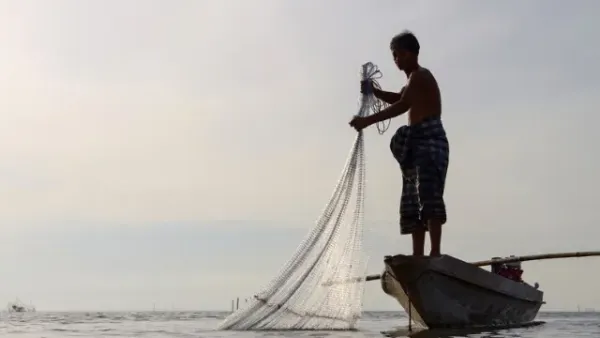

The Odisha government just started a 61-day fishing ban along its whole coastline-484 kilometers, from April 15 to June 14, 2026. Every year, they do this during the main spawning season for about 300 types of fish, like Hilsa, which is especially valued.
By stopping big fishing operations during this time, the idea is to protect breeding, avoid overfishing, and give the fish stocks a chance to bounce back. For Odisha, that means a healthier marine ecosystem and better chances for the fishing economy in the long run.
Under the mandate of the Odisha Marine Fishing Regulation Act (1982), the ban applies to all mechanized vessels and trawlers. Over 6,000 registered vessels, including 1,726 large trawlers, have been ordered to remain anchored at their respective jetties and harbors. Still, the government made an exception for small traditional and non-mechanized boats under 8.5 meters. These fishermen are allowed to keep working in territorial waters if they stick to catching pelagic fish.
Obviously, this hits hard in places like Paradip, a major fishing hub, where thousands of fishermen are suddenly out of work for two months. In Paradip alone, almost 5,000 trawler workers now have to wait out the ban with no main source of income. To help, the state says it'll offer financial support to affected fishermen, so families can get by while the fish stocks recover.
The government isn't taking enforcement lightly. Fisheries officers and other agencies will be out checking the waters, and penalties for breaking the rules are tough-heavy fines, even jail time. By the time the ban kicked in, many fishermen had already started leaving for their villages. Neighboring states look set to roll out similar restrictions too, hoping a united effort will keep the eastern coast's marine resources thriving for years to come.