
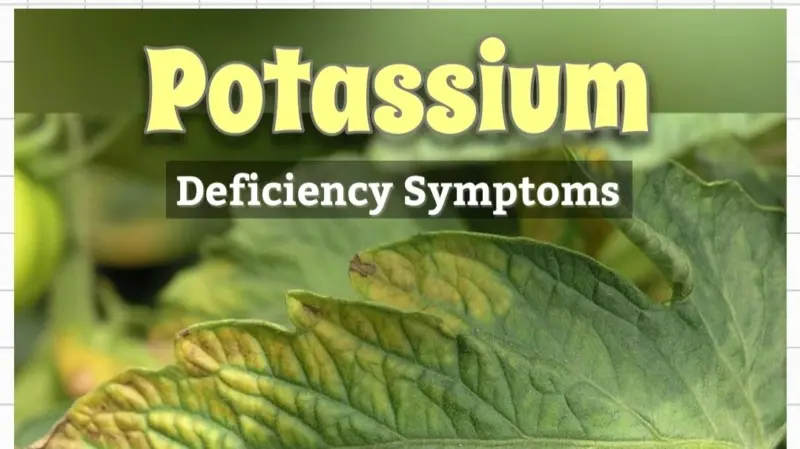

Potash, (𝐤), is one of the three major nutrients that plants need to grow healthy and strong. Potash plays a silent but strong role in the life of plant. It helps in water regulation, disease resistance, enhancing fruit quality, improving root strength, and tolerance in drought conditions. But sadly, many soils today are low in available potassium due to overfarming and lack of organic matter.
♻️ Significance of Potassium in Plant Development:
▪️Helps plants to move water and nutrients inside their cells
▪️Improves root development and increases plant immunity
▪️Enhances fruit and grain filling — giving better yield and quality .
▪️Increases resistance to drought, cold, and diseases .
♻️ Deficiency Symptoms of Potassium in Plants: .
When potassium is low in the soil, plants show visible signs: .
▪️Leaf tips turn yellow and brown (scorching or burning) .
▪️Older leaves curl and become dry at the edges .
▪️Weak stems and slow growth .
▪️Poor fruit and seed development .
▪️Reduced resistance to stress (pests, drought) .
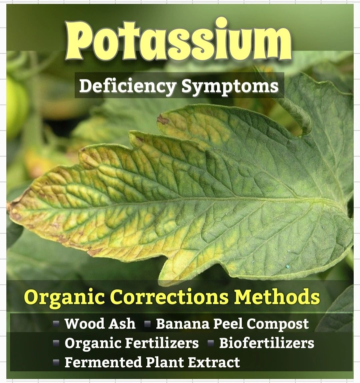
Crops like banana, potato, sugarcane, tomato, maize, and pulses are especially sensitive to potash deficiency.
♻️ Organic & Bio-Based Corrections:
Farmers can correct potash deficiency naturally, without harmful chemicals. Here are eco-friendly methods:
▪️Wood Ash:
Rich in potassium carbonate. Mix with compost or apply directly (sparingly) to soil.
▪️Banana Peel Compost:
Dried banana peels are high in K and make excellent compost for fruit crops.
▪️Compost & Vermicompost:
Properly made compost from kitchen/agri waste improves soil life and K availability.
▪️Humic Acid:
A natural product rich in humic substances and soluble potassium. It enhances nutrient uptake, improves soil texture, and increases K availability in a slow-release, plant-friendly form.
▪️Fermented Plant Extracts: Jeevamrut, fermented banana extract, or waste decomposer can mobilize soil potassium.
▪️Biofertilizers:
Use of potassium-solubilizing bacteria (e.g. Frateuria aurantia) enhances K availability in soil naturally.
Using organic sources of potash instead of chemical fertilizers is crucial for maintaining long-term soil health. Chemical potash gives quick results but harms soil microbes, reduces organic matter, and leads to hardening over time. Organic sources like compost, wood ash, banana peels, and potassium humate not only provide potassium but also improve soil structure, increase microbial activity, and support sustainable crop growth. They feed the soil — not just the plant.
Potassium is not just a nutrient — it's a life-supporter of crops. Let's correct its deficiency through natural ways and restore our soils for generations to come.
Via LinkedIn