
Table of Contents
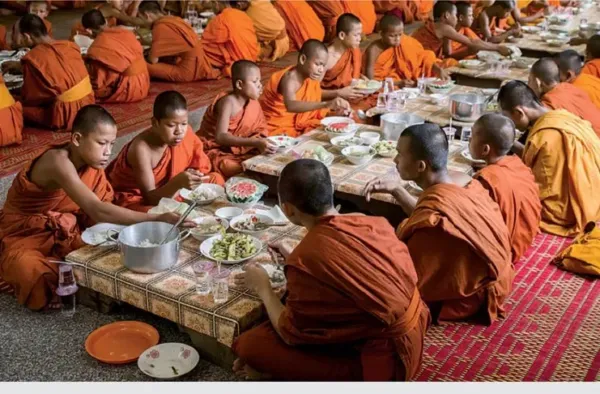
Buddhism, similar to many faiths, also has its own specific food customs and prohibitions, like many others and those who are practitioners of Buddhism, the Buddhists, heed to the teachings of the Buddha to whom they refer to as the "awakened one" who is a prophet.
This article delves into the world of Buddhist diet by exploring the key principles, reflecting upon the traditions and illuminating the practices that underlie the eating habits of the Buddhists. Attempting these diets can produce interesting information which may be of use to the people who want to take up the practice of Buddhist religion or only if they desire to learn about it.
Buddhism's Global Impact: Historical Roots and Modern EffectsThe Buddha, Siddhartha Gautama, born in 5th to 4th centuries B.C., chose the eastern part of India as the place he would proclaim a new religion called Buddhism. Such religious tradition is performed around the globe now, in as many as 3 forms, for instance, Mahayana, Theravada, and Vajra yoga, each one of them having exclusive viewpoint about the message of Buddha, being most prominent in the rising trend, i.e. the diet rules.
A Buddhist follower holds that this practice of Virtuous Ethics includes the rule that one does not kill other living beings. This principle is manifested in a way that is easily understood, like keeping to a lacto-vegetarian diet which is consuming dairy and avoiding eggs, poultry, fish, and meat. While the interpretations may change and it is possible to live on the meat and animal products that are not taken and killed for the one and the only specific reason, some Buddhists consume these food products due to different reasons.
Certainly, the culinary traditions of Buddhism vary immensely, but one fact stands out - vegetarianism is the commonly observed feature in these varieties of food. This is the cooking priorities within the different global Buddhist communities reflecting the different forms of the Buddhist interpretations.
Alcohol and Ethics: Clearing the Mind's ClutterThe other teachings of Buddhism also advocate refraining from intoxicating alcohol. The five precepts accepted by lay Buddhists advocate abstaining from alcohol, it's also a fundamental rule for novices and fully ordained monks. However, within the Vinaya, it constitutes a relatively minor transgression, categorized as a pacittaya offense, necessitating only confession from the monk involved.
This tells that the Buddhist community practicing Buddhism will strive to uphold the values and beliefs while still being grounded in everyday life.
Avoidance of Strong-Smelling PlantsTo deal with the two emotions is a hard test, like a person that routes a path between these two powerful movements.
Besides choosing diets, peculiar Buddhists especially avoid strong plants that give out a very strong smell. This saying is based on the assumptions that these vegetables turn people into lovers when in a boiled state and get them into a fight whenever it is eaten raw. By adding this extra layer to dietary routine, Buddhist performance manifests that these people manage their daily activities in a way such as to be adjusted to their religious values and principles.
Buddhist Fasting: Self-Restraint and Spirit-RulingBuddhist fasting has its distinct form wherein believers are supposed to abstain from taking food from noon and continuing up to the next day's dawn. Such a procedure stands for the driving force that may lead to self-control and improvement of spiritual discipline. However, much like some of the popular food restrictions, such as no meat or alcohol, not all Buddhists or believers of the religion exclude themselves from fasting. The practice of fasting among the Buddhist community highlights the different ways the followers display their/enlightenment through/of which is a manifestation of their self-discipline and spiritual growth.
From Tradition to Transformation: Dynamic Journey of Sports in IndiaArguments for and against The Buddhist NutritionBenefitsAccording to the Buddhist diet, vegetarian food, rich in the contents of plants, offers a lot of potential health benefits. The well-balanced diet is composed of fresh fruits and vegetables, nuts, seeds, whole grains, legumes, and beans; it is high in substances like antioxidants, phytochemicals, vitamins, minerals, and fiber. Research has linked these essential nutrients to a lower risk of some forms of cardiovascular diseases (heart attack and stroke), diabetes type 2 and certain cancers. Moreover, a decision to kill one's meat craving should replace it with vegetables, and this leads to a healthier weight.
Research generated information explaining how the vegetarian diet, for an extended period, led to having less body fat as compared to shorter durations thus pointing out a possibility for better body composition.
DownsidesOn the contrary, there are difficulties in planning if not done properly since the vegetarian diets are within the Buddhist diet. The evidence suggests that on Buddhist lacto-vegetarian diet there was no difference in terms of number of calories taken in than Latin Catholics. However, they faced severe iron and vitamin B12 deficiencies. Left-t bullets of polhim would bring down the amount of nutrients in blood and iron-deficiency would be among them. The other nutrients that can get deficient include vitamin D, Omega-3 fatty acids and zinc. While those challenges do exist, a balanced, and nutritious vegetarian diet may be met with a little effort in advance and once-in-a-while supplementation in case there are a few deficiencies in essential macronutrients.
Fasting in BuddhismBenefitsAscetic practices are of huge importance in Buddhism, where the practitioners usually spare themselves from eating food in the day after noon up to the dawn of next day. One of the means that can be used is fasting which typically lasts for about 18 hours every day. Thus, an individual's choices will determine whether fasting is a preferred method for him/her. Researchers here have found a specific potential in the near future associated with the achievements of the following outcomes like improved glucose homeostasis and higher autophagy genes which are known for the exchange of the genes whose functions are compromised with the relationship with the genes similar to them, but which are healthier by nature. The results give a hint of the efficiency of the diet plan on weight loss and improvements in general health, nonetheless longer studies ought to be funded for conclusive proof.
ChallengesOn the contrary, a long sustained fast (for instance) might not be easy at all. It leaves the body with suppressed appetite and a zero-calorie left for the entire day which can be very taxing and might interfere with the social and professional lives. The individual approach that incorporates own preferences and goals, for instance, weight reduction, will play a role in ensuring that intermittent fasting is in line with personalized lifestyles and well-being. Ironically, though the claim is meaningful, the study did not compare the two diets side by side to confirm which one is more worthwhile for health benefits.
Although not all Buddhists choose a pure vegetarian diet, a not few individuals believe eating as a vegetarian or lacto-vegetarian may help them on the way to becoming a Buddhist. Here's a breakdown of foods to include and avoid on a lacto-vegetarian diet:
Foods to Include: -
Foods to IncludeDairy: Take yogurt, cottage cheese, and skim milk instead. Listen to the given audio and practice speaking to fluently convey the given sentence in the offered time frame.
- Grains: Choose bread, oatmeal, quinoa, and rice instead.
- Fruits: Try apples, bananas, berries, grapes, oranges, and peaches as your desired treat.
- Vegetables: We will add broccoli, tomatoes, green beans, cucumbers, zucchini, asparagus and peppers.
- Starchy Vegetables: Consider the use of potatoes, grains, beans and cassava.
- Legumes: Add chickpeas, kidney beans, pinto beans, black beans, and lentils.
- Nuts: Take oneself to almonds, walnuts, pecans, and pistachios.
- Oils: Give oils like olive oil, flaxseed oil and canola oil as an additional option.
Foods to Avoid:
- Meats: Include soy products, grains, and beans as substitutes for beef, veal, pork, or lamb.
- Fish: Among the fish to stay off the menu, we recommend eliminating salmon, herring, cod, tilapia, trout, and tuna.
- Eggs and Poultry: Taking eggs, chicken breast, turkey meat, duck breasts, quail, and pheasant off the menu.
- Pungent Vegetables and Spices: Replace onions, garlic, spring onions or chives and leeks with alternatives.
- Alcohol: Do not even drink beer, wine or other spirits.
This dietary pattern, however, is less restrictive than the lacto-vegetarian diet because it, unlike the lacto-vegetarian diet, takes an approach of increased nutrition of vegetation instead.
Breakfast:
- 100g (33 grams) of fortified a.m. cereal, which contains vitamin B12 and iron.
- 1/2 ye gain (70 g) of blueberries
- A 1 ounce (28 grams) serving of almonds would qualify as a single-serving size.
- 1 cup and cow (240 mL) of low-fat milk.
- 1 cup (240 mL) of coffee:
Lunch:
- 2 slices of whole wheat bread (sandwich), 2 low-fat + cheese, 1 large lettuce leaf, 2 sliced avocados.
- Side: 1 serving of 3 oz (85 grams) fresh cut baby carrot sticks.
- 1 banana
- Taking sweetener, 1 cup (240 mL) unsweetened tea make up a part of my regular diet.
 Also Read | 5 Healthy Foods to lose weight you should start eating from today
Snack:
- 6 whole-grain crackers
- It is noted that one cup of Greek yogurt (227 grams) is included.
- 1/2 cup (70 g) of dried apricots
- Peanuts (28 grams) can be consumed raw and unsalted.
Dinner:
- Tortilla burrito with 1 whole wheat tortilla, beans 1/2 cup (130 grams), diced tomato 1/4 cup (61 grams), cabbage shredded 1/4 cup (18 grams), the shredded cheese 1/4 cup (25 grams) and tablespoons salsa with 2 (30 grams).
- Rice in Spanish is made of one cup (158 grams) of brown rice, half a cup of zucchini (63 grams) and one quarter tablespoon of olive oil (7 mL).
Note: If considering fasting pattern, the meals and snacks must be consumed before noon.
NoteLastly, among the different dietary rules specific to Buddhists, they can adopt dietary laws based on their forms of Buddhism and on their personal choices. Although the general diet consists of cereal grains, lentils, and curd, the lacto-vegetarian diet also excludes certain ayurvedic food such as alcohol and few specific vegetables and fasts from noon to the day after which are consumed from the next sunrise. However, there is nonetheless flexibility involved to meet different dietary requirements. It might be an early-stage Buddhism follower or one, who picks the religion's specifics, the bottom line remains to be a unique individual way, which involves people's preferences.