

Table of Contents
Exercise, being the primary physical stressor, downright changes our body during the recovery period that is vital after the exercise.
 How sport brings improvement in mental healthHormonal Regulation and SleepCognitive Function and PerformanceAlso Read | Stunning health benefits of running that'll change your life Importance of Sleep for Injury PreventionSleep and Exercise Performance
Athletes and fitness enthusiasts can optimize their performance by prioritizing healthy sleep habits. Lack of sleep can hinder progress, but with proper sleep regime, individuals can reach their full potential.
 Top 15 Health benefits of football That Can Change Your Life Establish a Consistent Sleep ScheduleCreate a Relaxing Bedtime Routine Design a Sleep-Friendly Environment
 No Gym? No Problem! Learn How to Build Muscle at HomeLimit Electronic Device ExposureIncorporate Regular Physical ActivityMindful Consumption of StimulantsPractice Relaxation TechniquesCreate a Sleep-Conducive AtmosphereEvaluate and Adjust Sleep EnvironmentSeek Professional Guidance if Needed
This approach involves putting into action a combination of these strategies on a daily basis. Thus, there is a conducive setting for quality sleep, hence, supporting your fitness and recovery aims.
 Also Read | How to increase stamina?
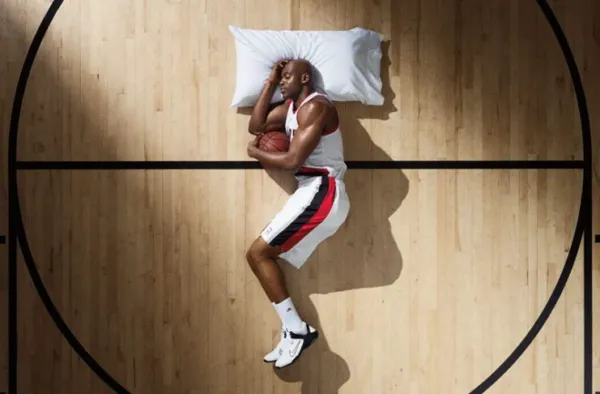
Quality or quantity of sleep in athletes does matter in enhancing performance in multiple areas conditioned by sports.
Basketball Performance BoostSwimmer's Advantage with Extended SleepAlso Read | Top 25 Best Fitness Apps To Track Your Daily WorkoutTennis Precision ImprovementGeneral Athletic Performance EnhancementConclusionOverall, science shows that sleep is one of the main factors of success in sports. It speeds up e.g. jumping and serves accuracy like a speedy superhero in a movie. In any of the sports - basketball, swimming or tennis - sleep quality has positive effects on both physical and mental athletic performance attributes. The wider coverage of sleep hygiene education indicates its role in planning bedtime routine and downing capacity. Athletes who realize the necessity of putting a priority on rest nights see sleep as a useful tool that takes the athletes to a peak performance stage in different sports as well as a tool that plays an active role in triggering peak performance.
Also Read | Top 10 Health Benefits of CyclingFAQ's Why is sleep very important?Quality sleep enhances cognitive function, mood, and overall well-being. Consistently experiencing insufficient sleep increases susceptibility to various diseases and disorders, spanning from heart disease and stroke to obesity and dementia.
How much sleep is necessary?Sleep needs vary by age and individual factors. Generally:
Adults: 7-9 hours per night
Teenagers: 8-10 hours per night
Young children and infants: 9-14 hours, including naps
Tips for quicker and improved sleep:
> Establish a consistent sleep routine (practice good sleep hygiene).
> Relax and unwind, consider meditation to aid sleep.
> Experiment with mindfulness techniques.
> Set up a conducive sleep environment.
> Avoid forcing sleep.
> Enhance sleep quality with proper diet and exercise.