


Proper nutrition is as important for a player as his training regimen in the high-stakes world of football. Nutrients fuel performance, assist in recovery, and aid in overall health.
A football player’s diet works as a very effective tool that can support recovery, enhance performance, and help maintain overall health. It aims at achieving athletic skills by adopting nutritious, proper hydration, and the right time for its consumption. This makes them the best on the field when required.
Table of Contents
ToggleFootball Player's Diet: Key Strategies for Success on the Field
| Category | Details |
|---|---|
| Overview | Proper nutrition fuels performance, aids recovery, and supports overall health. A football player’s diet is essential for enhancing performance on the field. |
| Fueling Performance | Carbohydrates: source of energy replenishing glycogen in muscles. Complex carbs: Whole grains, fruits, vegetables. |
| Supporting Muscle Repair and Growth | Protein: Essential for muscle growth and repair post-training. – Sources: Chicken, fish, eggs, tofu, beans. |
| Enhancing Endurance and Strength | – Healthy Fats: Omega-3 fatty acids help reduce inflammation, enhance brain function, and provide long-lasting energy. – Sources: avocados, nuts, olive oil. |
| Hydration for Peak Performance | – Hydration prevents cognitive impairment and injury risk. – Regular water intake and electrolyte supplements are vital during intense training or matches. |
| Recovery and Injury Prevention | – Vitamins and Minerals: Vitamin C, Vitamin D, calcium, and iron help with immune function, bone health, and muscle repair. – Fruits, vegetables, lean proteins. |
| Meal Timing | Regular meals every 3-4 hours to maintain energy levels. – Optimize performance and recovery with appropriate timing of nutrient intake. |
| Meal Plan for Optimal Performance | Breakfast: Scrambled eggs with spinach and tomatoes, whole-grain toast, fresh orange juice. Lunch: Grilled chicken breast, quinoa salad, low-fat yogurt. Dinner: Baked salmon, brown rice, steamed broccoli. |
| Energy-Enhancing Meal Plan | Breakfast: Oatmeal with bananas and nuts, boiled eggs, green tea. Lunch: Turkey avocado wrap, mixed green salad. Dinner: Lean beef stir fry with rice and bell peppers. |
| Muscle-Recovery-Focused Meal Plan | Breakfast: Protein smoothie with whey protein, banana, berries, almond milk. Lunch: Grilled shrimp salad with quinoa. Dinner: Grilled chicken, sweet potato mash, steamed asparagus. |
| Supplements for Football Players | – Branched-Chain Amino Acids (BCAAs): Aid in endurance and muscle repair. – Plant-Based Proteins: Sustainable protein sources. Creatine: Boosts explosive power. |
| Protein Sources | – Lean Proteins: Chicken, fish, eggs. Plant-Based Proteins: Legumes, tofu, tempeh. Whey Protein: Fast-digesting for muscle repair. |
| Healthy Fats | Sources: Avocados, nuts, seeds, olive oil. – Aid in reducing inflammation and maintaining cognitive function. |
| Hydration | Water: Hydration is essential for muscle function and performance. Electrolyte Drinks: Restore lost minerals after training or matches. |
Fueling Performance
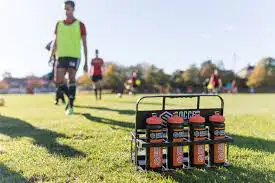 Image: X
Football is a high-demanding sport that has moments of energy, endurance, and strength. It will therefore require a good diet in supplying the demanded fuel. The first source of energy is carbohydrates that replenish glycogen stored in the muscles, ready to be used in vigorous activity. Complex carbs would include whole grains, fruits, and vegetables to make sure the energy level continues throughout the training and games.
Supporting Muscle Repair and Growth
 Image: Getty
Protein contributes to the growth and repair of muscles that occur after intense training sessions and matches. Appropriate lean protein sources include chicken, fish, eggs, or plant-based alternatives through beans and tofu that could potentially help to rebuild muscle tissue or facilitate recovery. Proper use of protein around a scheduled workout maximizes its efficacy, helping recover faster as well as prepare for a game.
 Also Read | Top 11 best Running shoes under 5000: High-Performance shoes for you
Enhancing Endurance and Strength
 Image: X
Healthy fats are very important for keeping energy levels and general well-being. Foods that have a high level of omega-3 fatty acids include avocados, nuts, seeds, and olive oil. These reduce inflammation and enhance brain function, which is critical for strategic thinking on the field. They also provide long-lasting energy, which is critical for endurance in extended matches.
Hydration for Peak Performance
 Image: X
A football player’s diet definitely needs to be hydrated. Dehydration involves cognitive impairment, reduced endurance, and higher risks of injury. Hydration from regular water intake and appropriate electrolyte supplementation can particularly be encouraged during intensive trainings and matches. Proper hydration helps in the function of muscles and regulation of the body temperature that guarantees good performance.
Recovery and Injury Prevention
 Image: Getty
Adequate nutrients, which are high in vitamins and minerals, are essential to overall health and recovery. Vitamin C, vitamin D, calcium, and iron are very important for their roles in immune function, bone health, and oxygen transport. The inclusion of a wide variety of fruits, vegetables, lean proteins, and whole grains is essential for ensuring that the players have all the right nutrients for good health and recovery.
 Read More | The Evolution of Athletics: From Ancient Times to Modern Competitions
Optimal Meal Plan for Football Players
The importance of tailored nutrition
It needs more than physical strength and strategic thinking. It is about a particular approach toward nutrition and hydration. This article is going to focus on the basic aspects of football nutrition, such as diet, protein supplements, the timing of meals, and hydration.
Performance-Boosting Meal Plan for Football Player’s Diet:
Breakfast
- Scrambled eggs with spinach and tomatoes
- Whole-grain toast
- Fresh orange juice
- Lunch
- Grilled chicken breast
- Quinoa salad with mixed vegetables
- Low-fat yogurt with berries
Snack
- Mixed nuts and dried fruits
- Water with electrolyte tablets
Dinner
- Baked salmon filet
- Brown rice
- Steamed broccoli and carrots
Energy-Enhancing Meal Plan for Football Player’s Diet:
Breakfast
- Oatmeal with sliced bananas and nuts
- Boiled eggs
- Green tea
Lunch
- Turkey and avocado wrap with whole-grain tortilla
- Mixed green salad with olive oil vinaigrette
- Snack
- Hummus with carrot and cucumber sticks
- Water with lemon
Dinner
- Lean beef stir fry with broccoli, bell peppers, and brown rice
- Mixed fruit salad
Muscle-Recovery-Focused Meal Plan for Football Player’s Diet:
Breakfast
- Protein smoothie (whey protein, banana, berries, almond milk)
- Whole-grain toast with almond butter
Lunch
- Grilled shrimp salad with mixed greens and balsamic vinaigrette
- Quinoa side dish
Snack
- Rice cakes with peanut butter
- Electrolyte-rich sports drink
Dinner
- Grilled chicken with sweet potato mash
- Steamed asparagus
These meal plans are therefore tailored to promote adequate nutrition for maximal performance, energy boost, and muscle recovery in the footballer.
Supplements of Protein for the Enhancement of Footballers’ Nutritional Status
Since supplementing a diet with proteins enhances the repair and building of muscles, such can increase athletic performance in footballers. Here are some of the most significant advantages and forms of protein supplementation to boost athletic power:
Branched-Chain Amino Acids and Their Role in Endurance and Recovery
BCAAs consist of leucine, isoleucine, and valine. These are the most essential amino acids in muscle building and play a very important role in the decrease of muscle breakage and energy levels. It boosts endurance during matches and practice, which makes the athlete recover faster.
Plant-based Protein for Sustainability
Plant-based proteins are apt for footballers who simply want plant-based diets or who simply wish for more sustainable options. Source these from peas, rice, or hemp, and there is thus a complete profile of amino acids, what the body uses in fixing up muscles and in general growth, and which satisfy energy demand for football.
Multivitamin Proteins: Full Spectrum Nutritional Supplement
Multivitamin protein supplements provide a broad spectrum of essential nutrients, which proves very helpful in maintaining general health, immunity, recovery, and energy levels during intense training. These supplements help reinforce endurance and ensure that players maintain peak performance on the field.
Glutamine: The Recovery Booster and Muscle Protector
The intense workout in football will compromise the immune system and tear up the muscles. Glutamine is an amino acid, acting as a protector of the muscles and also a recovery booster. It helps to boost immunity and the repair of muscles. It prevents soreness and tiredness after games.
Creatine: The Explosive Power Firing
Creatine is among the most popular supplements out there, and its effectiveness in increasing ATP content will give immediate power, particularly in explosive movements such as sprints and sharp agility movements.
 Also Read | Top 10 Nike Sports Shoes for Superior Performance and Comfort
Whey Protein: Muscle Power Catalyst
Whey, which is milk, contains all the necessary amino acids used in the repair of and growth of muscles. Fast digestion and fast absorption make whey most effective for usage postworkout to be prepared to confront challenges.
Targeted Supplements Using a Protein Supplement Adding protein supplements to any nutrition plan can also use supplementation targetedly. There complements balanced diet support through generally keeping well. They offer guidance on appropriate nutritional and dose supplements, focusing on each person’s personal and training goals.
Recoveries from High-Tonic Exercise
Proteins work in helping people restore the muscles from exhausting physical workouts. The repairing works aid recovery after extensive physical training and competitive match experiences while maintaining their physique ready to be physically present 24/7 at match conditions.
Significance of Protein to the Muscles
Protein is the “building block” of muscles, containing all essential amino acids required for repairing and growing the muscles. This makes proteins very necessary for footballers to ensure endurance and strength on the field.
Available Lean Sources of Protein for Footballers
There are numerous sources of lean proteins that should be utilized by footballers for the repair and growth of their muscles. Poultry, lean meats, fish, and eggs all contain a good amount of essential protein and can improve one’s performance.
Plant-Based Protein Options
The football players, who may either follow a plant-based diet or are seeking different types of proteins, have much to choose from. Legumes such as lentils, chickpeas, and beans contain proteins and fibers. Tofu, tempeh, and seitan are versatile plant-based options that can fit different tastes.
Protein with carbohydrates
To effectively recover their muscles and grow, footballers need to combine protein with carbs. Carbs replenish the glycogen reserves, which are essential for repairing the muscle. Lean protein with complex carbs will facilitate recovery and ensure that future actions are improved.
Healthy fats will nourish the mind as well as the body
Healthy fats are important for the well-being of football players and help them control hormones as well as work within the brain. Avocados, nuts, seeds, and olive oil provide energy that lasts and keep the mind sharp on and off the field.
Combining Protein and Healthy Fats
Adding to the meal plans of football players is protein-rich food that combines healthy fats. Adding avocado to sandwiches or sprinkling nuts on salads gives balanced nutrition that improves performance during training and matches.
Hydration: Helping You Ace the Game
Proper hydration is essential. Inability to think very well, reduced endurance, and getting injured are some outcomes of dehydration. Electrolyte drinks, whether found at the store or concocted at home, will replace lost fluids as well as minerals during activities, such as competition or training.
Nutrition and Hydration to Advance Performance
In competitive football, individualized meal plans, protein supplements, and optimal hydration help enhance the performance of the players. These will complement each other to maximize endurance, strength, and mental ability on the football field, thus helping players to be at their peak to succeed.
FAQs:
1. Q: Why is proper nutrition essential for football players?
A: Proper nutrition fuels performance, aids recovery, and supports overall health, enabling football players to perform optimally.
2. Q: What are the key nutrients required for football players?
A: Football players require carbohydrates for energy, protein for muscle repair and growth, healthy fats for endurance, and adequate hydration.
3. Q: What role do protein supplements play in football nutrition?
A: Protein supplements support muscle repair and growth, enhance endurance, and aid recovery, but should complement a balanced diet.
4. Q: How important is hydration for football players?
A: Proper hydration prevents dehydration, reduces injury risk, and maintains cognitive function, ensuring optimal performance.
5. Q: What are some recommended food sources for football players?
A: Recommended food sources include whole grains, fruits, vegetables, lean proteins, plant-based options, and healthy fats.
 Read More | Exploring the Top 10 Best MMA Gloves: Gear Up and Get Ready