




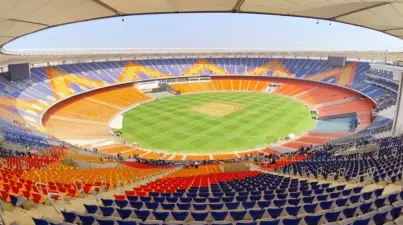

Cricket is not just a sport in India; it is a way of life. The biggest cricket stadiums in India are more than just venues; they are iconic landmarks that represent the country's undying love for the game.
These colossal arenas have hosted historic matches, legendary players, and millions of fans, creating memories that last a lifetime. But what makes these stadiums so unique? Why are they considered the biggest cricket stadiums in India, and how do they compare in terms of capacity and features? Let's dive into the 10 biggest cricket stadiums in India and explore their historical significance, modern designs, and key highlights.
Table of Contents
ToggleList of the Top 10 Biggest Cricket Stadiums in India
India boasts some of the largest cricket stadiums globally, with capacities that rival any other nation. Here's a quick overview of the top 10 biggest cricket stadiums in India-based on seating capacity:
| Rank | Stadium Name | City | Capacity |
| 1 | Narendra Modi Stadium | Ahmedabad | 132,000 |
| 2 | Eden Gardens | Kolkata | 68,000 |
| 3 | Shaheed Veer Narayan Singh Stadium | Raipur | 65,000 |
| 4 | Rajiv Gandhi International Stadium | Hyderabad | 55,000 |
| 5 | Greenfield International Stadium | Thiruvananthapuram | 50,000 |
| 6 | Ekana Cricket Stadium | Lucknow | 50,100 |
| 7 | JSCA International Stadium | Ranchi | 50,000 |
| 8 | Barabati Stadium | Cuttack | 45,000 |
| 9 | Vidarbha Cricket Association Stadium | Nagpur | 45,000 |
| 10 | M. A. Chidambaram Stadium | Chennai | 38,200 |
Narendra Modi Stadium: The Biggest Cricket Stadium in India
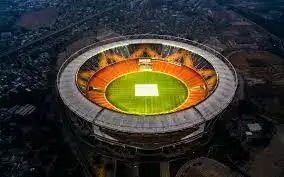 Image: India Today
The Narendra Modi Stadium in Ahmedabad is not only the largest cricket stadium in India but also the biggest cricket stadium in the world. With a seating capacity of 132,000, it has set global benchmarks for sports infrastructure. Originally built in 1983 as the Sardar Patel Stadium, it underwent a massive renovation between 2015 and 2020 to emerge as an architectural marvel.
Key Features of Narendra Modi Stadium:
- Seating Capacity: Accommodates up to 132,000 spectators.
- Four Dressing Rooms: This facilitates back-to-back matches without delays.
- Eleven Center Pitches: These offer diverse playing conditions.
- LED Floodlights: Energy-efficient lighting for better visibility during night matches.
- Advanced Drainage System: Ensures quick resumption of play after rain delays.
The Narendra Modi Stadium has hosted several high-profile events, like the IPL finals and international matches, and was also the site for the “Namaste Trump” event in February 2020.
Eden Gardens: The Historic Icon of Indian Cricket
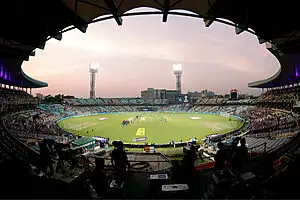 Image: IPL
Eden Gardens in Kolkata has the reputation of being the “Mecca of Indian cricket.” Established in 1864, it remains one of the oldest and most iconic cricket stadiums worldwide. With a seating capacity of 68,000, it is the second-largest cricket stadium in India.
Why Eden Gardens is Special:
- Eden Gardens hosted its notable match of the ICC T20 World Cup final in 2016.
- Eden Gardens gained its reputation through passionate fans who generate an electrifying game environment.
- The venue comprises several features that include media facilities for 80 journalists and installations like floodlights along with stands containing the B.C. Roy Clubhouse and four others.
Eden Gardens maintains its unique position in Indian cricket history because it combines grand dimensions, together with its historical significance.
Indoor Cricket Stadiums: The Ultimate Game-Changer for Players and Fans
Shaheed Veer Narayan Singh International Cricket Stadium: Raipur's Pride
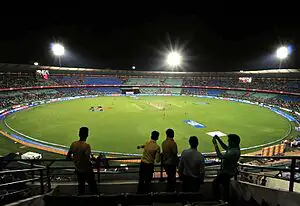 Image: Wikipedia
The cricket stadium situated in Raipur at Chhattisgarh supports 65,000 spectators, as it ranks among India’s biggest stadiums. The stadium features an ecological design among its sustainability measures.
Unique Features:
- Modern architecture with ample parking facilities.
- It hosts both domestic matches and IPL games.
- The stadium stands among beautiful natural vegetation, which elevates its visual charm.
Rajiv Gandhi International Cricket Stadium: Hyderabad's Gem
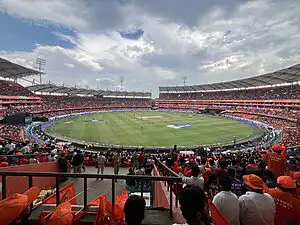 Image: Wikipedia
The stadium, which accommodates up to 55,000 spectators, has held international and IPL matches on its beautiful grounds. The stadium bears its name after Rajiv Gandhi, who previously served as Prime Minister, while providing the home ground for Sunrisers Hyderabad.
Highlights:
- This facility stands out because of its perfect blend of visual charm and top-notch infrastructure.
- The stadium provides day-night capabilities through its complete set of floodlights.
- People know the stadium for its favorable batting surface, which leads to numerous high-scoring matches.
Greenfield International Stadium: A Multi-Purpose Marvel
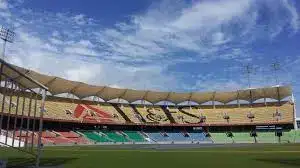 Image: Wikipedia
Located in Thiruvananthapuram (Kerala), Greenfield International Stadium is unique because it serves as both a cricket and football venue. The stadium caters to 50,000 spectators through its combination of contemporary features and nature-friendly operations.
Key Features:
- The first Indian stadium built its infrastructure through the DBOT (Design-Build-Operate-Transfer) model.
- Solar panel technology enables this facility to lower its environmental impact.
- This stadium maintains a well-known drainage system that operates effectively.
Comparing the Capacity and Features of Cricket Stadiums in India
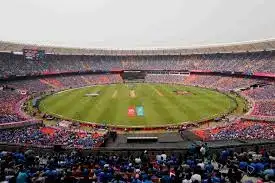 Image: BCCI
These venues establish their uniqueness through an evaluation of their dimensions and individual characteristics.
| Stadium Name | Capacity | Unique Features |
| Narendra Modi Stadium | 132,000 | Largest globally; advanced drainage; LED lights. |
| Eden Gardens | 68,000 | Historic significance; iconic crowd atmosphere |
| Shaheed Veer Narayan Singh Stadium | 65,000 | Eco-friendly design |
| Rajiv Gandhi International Stadium | 55,000 | Scenic surroundings; batting-friendly pitch |
| Greenfield International Stadium | 50,000 | Multi-purpose functionality; solar panels |
Historical Significance vs Modern Designs
Indian cricket stadiums have undergone a transformation to show how the nation has evolved from its colonial stadium legacy to its contemporary stadiums.
Historical Significance:
- Eden Gardens represents tradition because it has existed since British rule established its presence.
- The M. A. Chidambaram Stadium (Chennai) operates today as one of the oldest stadiums that continues to host international cricket matches.
Modern Designs:
- The Narendra Modi Stadium showcases futuristic architecture with unmatched facilities.
- Ekana Cricket Stadium in Lucknow perfectly combines regal infrastructure with its practical aspects.
The older stadiums hold historic importance, yet today’s facilities direct their effort toward improving fan comfort along with technological implementation.
What Makes These the Biggest Cricket Stadiums in India?
Various conditions establish these establishments as the largest stadiums in India:
Seating Capacity: Every stadium holds the capacity to accommodate large crowds numbering in the thousands.
World-Class Facilities: These facilities provide premium facilities that include state-of-the-art floodlights together with sophisticated drainage systems.
Historical Importance: The stadiums have welcomed significant matches that remain permanently remembered in cricket history.
Architectural Brilliance: The venues merge historical and progressive elements without mismatch.
Fan Experience: The combination of wide seating areas with modern facilities delivers an extraordinary match-viewing experience for enthusiasts.
The Future of Cricket Stadiums in India
 Image: Getty
The country dedicates significant resources to modernizing its cricket stadiums because of the increasing popularity of the sport. Sustainability, together with technology along improved fan experience, represents the core focus. The new solar panel installation at Greenfield International Stadium in Thiruvananthapuram works to decrease environmental impact. The implementation of eco-friendly designs represents both environmental gain and creates an example for future sports infrastructure development worldwide.
Technological Advancements: Indian stadiums in the present day incorporate state-of-the-art technological enhancements to improve stadium viewing for spectators. The venues achieve comprehensive viewer engagement by integrating high-definition scoreboards with superior audio systems. The application of LED floodlights enables matches to take place throughout the day and night hours, which expands scheduling choices and delivers heightened visibility during all game times.
Impact on Local Communities: The extensive stadiums exercise major societal effects on the neighborhood communities nearby. Through their operations, these facilities generate new employment opportunities while attracting more visitors who support regional financial growth patterns. Visitors from global areas choose to tour the Narendra Modi Stadium in Ahmedabad because it has emerged as a leading local attraction. The economic benefits for the local community, combined with the increased popularity of the city as a sporting hotspot, make up this positive impact.
The Role of Cricket Stadiums in Promoting Tourism
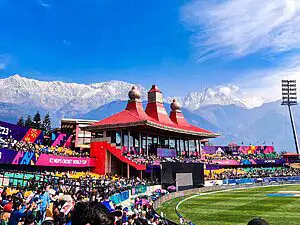 Image: BCCI
Indian cricket stadiums serve as essential promoters of tourism across the entire national territory. Visitors from all over India and international tourists make their way to these historic sports facilities. The Ahmedabad Narendra Modi Stadium attracts numerous tourists who desire to observe its architectural design and sports infrastructure. Local businesses that include hotels together with restaurants experience increased revenue streams, which promote economic development throughout the area.
These multi-use venues increased value because they serve as platforms for various non-cricket entertainment, including concerts and political rallies. These multipurpose stadiums actively support local economic growth during months when cricket matches do not take place.
Conclusion
The largest cricket grounds in India serve multiple purposes because they embody both traditional sports excellence and modern architectural achievements. The Narendra Modi Stadium stands as the principal spot, while the historic Eden Gardens comprises the crucial points in the evolution of cricket in India, from Ahmedabad to Kolkata. Visitors to these famous locations have remarkable experiences as both cricket fans and architecture enthusiasts.
FAQs
What is the biggest cricket stadium in India?
The Narendra Modi Stadium in Ahmedabad is the largest cricket ground in India, with a massive seating capacity of 132,000.
What makes Eden Gardens iconic?
Eden Gardens is iconic because of its historical significance as one of India’s oldest grounds and its electrifying atmosphere.
Which Indian stadium has eco-friendly features?
The eco-friendly designs of the Greenfield International Stadium in Thiruvananthapuram and the Shaheed Veer Narayan Singh International Cricket Stadium in Raipur are renowned.
What is special about Rajiv Gandhi International Cricket Stadium?
This stadium stands out for its scenic surroundings and batting-friendly pitch, making it a favorite among cricket enthusiasts.
Why should you visit these cricket stadiums?
These stadiums offer a unique experience, combining historic significance, modern facilities, and thrilling events, making them a must-visit for any cricket fan.