


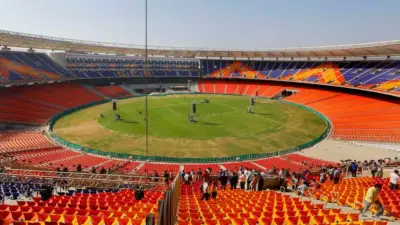

India is a country where sports, particularly cricket, hold a special place in the hearts of millions. The passion for sports is reflected in the magnificent stadiums that dot the landscape.
Table of Contents
Toggle1. Eden Gardens, Kolkata
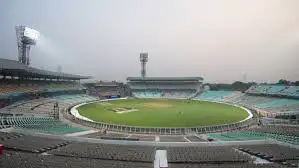 Image: X
A Historic Landmark
Eden Gardens, located in Kolkata, is often referred to as the “Mecca of Indian cricket.” Established in 1864, it is one of the oldest cricket stadiums globally and has a seating capacity of over 66,000 spectators. The stadium has witnessed countless historic moments, including India’s triumph in the 1983 Cricket World Cup. Its rich history is intertwined with the evolution of cricket in India.
Architectural Features
The architecture of Eden Gardens reflects colonial influences, featuring grand stands and lush green surroundings. The iconic pavilion stands as a testament to its historical significance. The stadium’s design creates an electrifying atmosphere during matches, with fans often chanting and cheering passionately for their teams. The unique layout ensures that even those seated at the back can enjoy a great view of the action on the field.
Cultural Significance
Eden Gardens is not just a sports venue; it is a cultural icon. It has hosted numerous memorable matches and events, making it a pilgrimage site for cricket enthusiasts. The stadium’s vibrant energy during matches is unmatched, drawing fans from all over the country. Beyond cricket, Eden Gardens has also hosted concerts and other cultural events, further solidifying its status as a multi-faceted venue.
Memorable Moments
Some of the most unforgettable moments in Indian cricket history have unfolded at Eden Gardens. From Kapil Dev’s legendary innings in the 1983 World Cup to India’s historic Test victory against Australia in 2001, these events have etched themselves into the collective memory of Indian sports fans.
 Also Read | Top 11 best Running shoes under 5000: High-Performance shoes for you
2. Narendra Modi Stadium, Ahmedabad
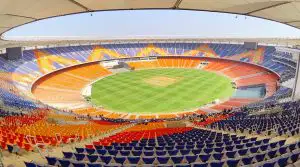 Image: Wikipedia
The Largest Cricket Stadium
Formerly known as Sardar Patel Stadium, the Narendra Modi Stadium in Ahmedabad is the largest cricket stadium in the world, with a staggering capacity of over 132,000. Completed in 2020, this modern marvel represents a significant advancement in sports infrastructure.
Innovative Design
Designed by the renowned architecture firm Populous, the stadium features state-of-the-art facilities and an impressive circular roof that enhances natural ventilation. The design incorporates advanced technology to provide an unparalleled experience for spectators and players alike. Its LED lighting system ensures excellent visibility during day and night events, creating an unforgettable atmosphere.
Historical Events
The Narendra Modi Stadium gained international attention when it hosted the “Namaste Trump” event in 2020, symbolizing India’s growing prominence on the global stage. It has also been a venue for high-stakes matches, including those in the ICC World Cup and IPL (Indian Premier League). The stadium’s modern amenities set new standards for cricketing venues worldwide.
Community Engagement
Beyond hosting matches, the Narendra Modi Stadium plays an essential role in promoting sports at grassroots levels. Various community programs and initiatives are organized to engage local youth and encourage participation in sports.
3. Wankhede Stadium, Mumbai
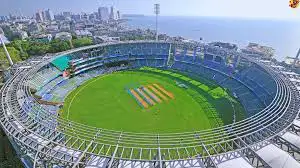 Image: X
A Modern Marvel
Wankhede Stadium is located in Mumbai and has a seating capacity of around 33,000. It is famous for hosting the final of the 2011 Cricket World Cup, where India claimed victory on home soil against Sri Lanka. This moment remains one of the most cherished memories for Indian cricket fans.
Architectural Design
The stadium does not have the traditional look of a sports stadium; it blends well with the architectural style of Mumbai. This structure is partly enclosed and has the design of an open sky to facilitate natural sources of light and air. They are raised to give clear views to the fans so that no one is disadvantaged by his/her position in the stand.
Cultural Impact
This arena, the Wankhede Iconic Sports Stadiums in India for that matter, has been polarized to a lot of historical moments in Indian cricket. Because of its lively surroundings during matches, it is preferable for players and fans. The said facility is also useful for other activities apart from cricket games or practice, including shows, concerts, and cultural fairs and carnivals.
Renovations and Upgrades
In recent years, Wankhede Stadium has undergone renovations to enhance its facilities further. These upgrades include improved seating arrangements and modern amenities for fans and players alike.
 Read More | The Evolution of Athletics: From Ancient Times to Modern Competitions
4. Jawaharlal Nehru Stadium, New Delhi
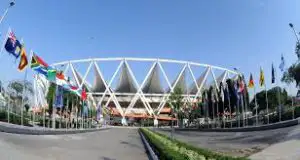 Image: X
Multi-Sport Venue
Located in New Delhi, Jawaharlal Nehru Stadium is primarily used for football and athletics but has also hosted significant cricket matches. With a seating capacity of over 60,000, it was originally constructed for the 1982 Asian Games.
Architectural Excellence
Designed by German architects Gerkan, Marg and Partners, Jawaharlal Nehru Stadium underwent significant renovations for the 2010 Commonwealth Games. Its modern design meets international standards set by FIFA and World Athletics while retaining elements that reflect India’s architectural heritage.
Historical Significance
The venue other than cricket has been used in hosting other prestigious activities such as athletic championships and football matches involving famous clubs across the world. It's therefore an important asset in the development of sports in this nation of India.
Community Engagement Initiatives
Through different programs of sports for the youth and fitness and healthy living initiatives, Jawaharlal Nehru Stadium works in liaison with local communities.
5. HPCA Stadium, Dharamshala
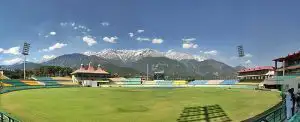 Image: X
A Scenic Gem
Nestled amidst the breathtaking Himalayan foothills in Dharamshala, HPCA (Himachal Pradesh Cricket Association) Stadium offers one of the most picturesque settings for cricket in India. With a seating capacity of around 23,000 spectators, it provides stunning views of snow-capped peaks that serve as a backdrop during matches.
Sustainable Design
The stadium does not compromise its sustainability aspects nor does it intrusively disrupt the beauty of a natural landscape. It has modern infrastructures that mean an environmentally sensitive concept to its physical plan and its implementation.
Cultural Heritage
Exemplifying cricket and much more, HPCA stands for Himachal Pradesh's culture and tradition. It also houses a museum with friendly staff that provides details on cricketing activities in the region and practices of the people of the region.
Memorable Matches
The Iconic Sports Stadiums in India is located in Dharamsala, India, and first opened in the year 2003. Through the years, this stadium have held many matches with international teams and also domestic leagues like IPL. The excitement created by these events increases because of the uniqueness of the environment.
 Also Read | Top 10 Nike Sports Shoes for Superior Performance and Comfort
Conclusion
Indian sports stadiums Of course, catching any kind of sports event in India means not only to watch a match in a specific stadium but also to visit an architectural and historical monument. From how the Eden Gardens developed its colonial touch to how the Narendra Modi Stadium produced nothing but innovation for the cricket sports person and fanatics, every stadium has a story associated with it.
These cricket stadiums are not only good for cricket lovers but for any fan of modern art and structure regardless of field interest. You should probably organize your visit to these legendary places to see how impressive they are !
FAQ’s
Q: What is the oldest cricket stadium in India?
Eden Gardens in Kolkata, established in 1864, is one of the oldest cricket stadiums globally.
Q: Which stadium is the largest cricket stadium in the world?
Narendra Modi Stadium in Ahmedabad, with a seating capacity of over 132,000, holds the record.
Q: What is the significance of Wankhede Stadium in Indian cricket history?
Wankhede Stadium hosted the final of the 2011 Cricket World Cup, where India claimed victory.
Q: What makes HPCA Stadium in Dharamshala unique?
HPCA Iconic Sports Stadiums in India offer breathtaking views of the Himalayan foothills, making it one of the most picturesque cricket settings.
Q: What architectural firm designed the Narendra Modi Stadium?
The renowned architecture firm Populous designed the Narendra Modi Stadium.
 Read More | Exploring the Top 10 Best MMA Gloves: Gear Up and Get Ready