


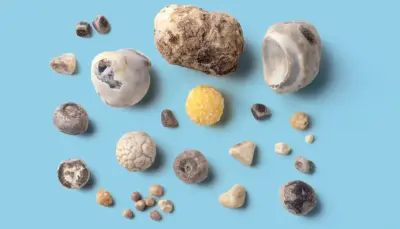

Gallstones are small, hard deposits that develop inside the gallbladder, a small organ located beneath the liver. The gallbladder stores bile, a digestive fluid that helps the body break down fats.
These stones can vary in size, ranging from tiny grains to larger stones, and may develop when bile contains too much cholesterol or bilirubin or does not empty properly.
Some people with gallstones do not experience any symptoms, while others may experience sudden abdominal pain, nausea, vomiting, bloating and indigestion, particularly after eating fatty meals. When a gallstone blocks a bile duct, it can cause serious complications that require medical attention.
Although several home remedies and dietary changes may help support gallbladder health and reduce digestive discomfort, there is no scientifically proven home remedy that reliably dissolves or removes existing gallstones. Home care should therefore be considered supportive rather than a replacement for medical treatment.
Here are some dietary changes and home remedies that may help you maintain digestive health and reduce the risk of gallstone-related problems.
1. Follow a Healthy, Low-Fat Diet
One of the most important ways to manage gallstone-related discomfort is to make healthier food choices. Foods containing excessive saturated fat may trigger gallbladder pain in some people because the gallbladder contracts to release bile during digestion.
Try to include the following foods in your daily diet:
- Fresh fruits such as apples, pears, papaya, oranges and berries.
- Green vegetables such as spinach, broccoli, carrots and cucumber.
- Whole grains such as oats, brown rice and whole-wheat chapatis.
- Lentils, beans and other plant-based protein sources.
- Lean protein sources such as skinless chicken and fish, if suitable for your diet.
Reduce your consumption of deep-fried foods, fatty meat, butter, cream, excessive ghee, pastries and packaged snacks.
You do not need to eliminate all fats from your diet. Small amounts of healthier fats, such as olive oil, nuts and seeds, can be part of a balanced eating plan.
2. Drink Enough Water Throughout the Day
Staying hydrated is important for overall digestive health. Drinking sufficient water helps maintain normal body functions and supports digestion.
Although drinking water cannot dissolve existing gallstones, it can help you maintain good hydration.
How to follow this remedy:
- Drink water regularly throughout the day.
- Start your morning with a glass of plain water.
- Include water-rich foods such as cucumber, watermelon and oranges.
- Avoid replacing water with sugary drinks and packaged juices.
There is no need to force yourself to drink excessive amounts of water. Maintain adequate hydration according to your body's needs.
3. Include Fibre-Rich Foods in Your Diet
A fibre-rich diet is beneficial for digestive health and may help reduce the risk of developing gallstones.
Dietary fibre supports healthy digestion and can help maintain a balanced diet. Fruits, vegetables, legumes and whole grains are excellent sources.
Foods to include:
- Oatmeal for breakfast.
- Apples and pears as snacks.
- Whole-wheat chapatis instead of refined-flour products.
- Brown rice instead of frequently eating refined grains.
- Beans, chickpeas and lentils.
- Green leafy vegetables.
Try to increase fibre intake gradually and drink enough water to avoid digestive discomfort.
4. Eat Smaller Meals at Regular Intervals
Eating very large meals may trigger discomfort in some people with gallstones. Smaller, balanced meals distributed throughout the day may help manage digestive symptoms.
Avoid skipping breakfast, lunch or dinner. Long gaps between meals and prolonged fasting can also increase the risk of gallstone formation.
A simple eating routine:
- Breakfast: Oatmeal, whole-wheat toast or vegetable poha.
- Mid-morning: An apple or papaya.
- Lunch: Two chapatis, dal and cooked vegetables.
- Evening: A small serving of fruit or roasted chana.
- Dinner: Vegetable khichdi, dal or lightly cooked vegetables with chapati.
Adjust portion sizes according to your appetite and nutritional requirements.
5. Use Lemon Water as Part of a Healthy Diet
Lemon water is a refreshing drink that provides vitamin C and can help you maintain your daily fluid intake.
Some people believe that lemon juice dissolves gallstones because it contains citric acid. However, there is no reliable scientific evidence that drinking lemon water can dissolve existing gallstones or remove them from the gallbladder.
How to prepare lemon water:
1. Take one glass of plain drinking water.
2. Add a small amount of freshly squeezed lemon juice.
3. Mix well.
4. Drink it without adding excessive sugar.
You can include lemon water in your regular diet if it suits your stomach. Avoid it if it aggravates acidity or reflux.
6. Include Fresh Fruits and Vegetables
Fresh fruits and vegetables provide vitamins, minerals, antioxidants and dietary fibre. Including a variety of these foods can support overall health and help maintain a balanced diet.
Some useful options include:
- Papaya: Provides dietary fibre and vitamin C.
- Apples: Contain soluble fibre, including pectin.
- Oranges: Provide vitamin C and hydration.
- Carrots: Supply beta-carotene and fibre.
- Spinach: Provides folate and other essential nutrients.
- Broccoli: Contains fibre and several beneficial nutrients.
Try to eat whole fruits rather than relying heavily on fruit juices, which may contain less fibre and more concentrated natural sugars.
Remember that these foods support general health; they are not treatments for existing gallstones.
7. Replace Fried Foods with Boiled, Steamed and Grilled Foods
Cooking methods can make a significant difference to the amount of fat in your meals.
People experiencing gallstone symptoms may find that high-fat meals trigger abdominal discomfort. Choosing lighter cooking methods can help reduce dietary fat intake.
Consider these alternatives:
Instead of Choose
Deep-fried potatoes Boiled or baked potatoes
Fried snacks Roasted chana
Butter-rich meals Lightly cooked vegetables
Creamy curries Homemade vegetable curry
Fried chicken Grilled or boiled chicken
Heavy gravies Light homemade dal
Use oil sparingly and observe which foods trigger your symptoms.
8. Maintain a Healthy Body Weight
Maintaining a healthy weight is an important step in reducing the risk of gallstones. Being overweight or having obesity can increase the likelihood of cholesterol-related gallstone formation.
However, rapid weight loss can also increase the risk of developing gallstones.
Healthy weight-management tips:
- Follow a balanced diet instead of crash diets.
- Avoid prolonged fasting.
- Reduce sugary beverages and highly processed foods.
- Exercise regularly.
- Set realistic weight-loss goals.
- Avoid extreme calorie-restriction programmes.
Gradual and sustainable weight management is better than attempting to lose several kilograms within a short period.
9. Exercise Regularly
Regular physical activity supports healthy digestion, weight management and overall metabolic health.
Although exercise cannot directly break down or remove gallstones, it can help reduce certain risk factors associated with gallstone formation.
Some activities to consider include:
- Walking for 20-30 minutes, gradually increasing according to your fitness level.
- Light cycling.
- Swimming.
- Gentle yoga.
- Stretching exercises.
Start slowly and choose activities that suit your health and physical condition. Avoid exercising during an acute episode of severe abdominal pain.
10. Keep a Food and Symptom Diary
A food diary is a practical way to identify foods that may trigger gallbladder-related discomfort.
Different people react differently to particular foods. While fatty meals are common triggers, some individuals may experience discomfort after eating other foods.
How to maintain a food diary:
1. Record everything you eat and drink.
2. Note the time of each meal.
3. Record any abdominal pain, nausea or bloating.
4. Mention how long the symptoms last.
5. Identify foods that repeatedly cause discomfort.
Share this information with your doctor or dietitian to help develop a suitable eating plan.