




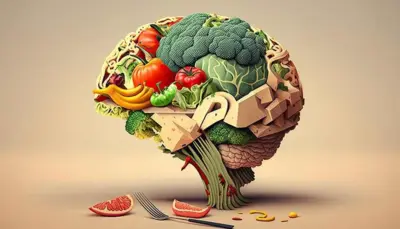

A child's brain is like a growing foundation that needs the right nutrition, care, and stimulation to develop strong thinking, learning, and problem-solving abilities.
The early years of childhood are crucial for brain development, as children build their memory, creativity, concentration, and emotional skills during this period. Providing a balanced diet, encouraging physical activities, ensuring quality sleep, and creating a positive learning environment can naturally support healthy brain growth.
From nutrient-rich foods like nuts, fruits, and protein sources to activities such as reading, puzzles, outdoor play, and mindfulness exercises, simple daily habits can help improve a child's cognitive abilities. Parents can play an important role by introducing healthy routines that enhance focus, curiosity, and overall mental development. With the right care and support, children can build a strong foundation for lifelong learning and success.
A child's brain develops rapidly during the early years, and proper nutrition, healthy habits, and a stimulating environment play an important role in improving memory, concentration, learning ability, and overall brain development. Along with regular physical activity and good sleep, some natural foods and simple home practices can support your child's brain health.
1. Include Nuts and Seeds in the Diet
Nuts like almonds, walnuts, and seeds such as pumpkin seeds and flaxseeds are rich in healthy fats, antioxidants, and minerals that support brain function. Soaked almonds in the morning are a traditional home remedy believed to help improve memory and concentration.
2. Give Omega-3 Rich Foods
Omega-3 fatty acids are essential for brain development. Include foods like:
Walnuts
Flaxseeds
Chia seeds
Fatty fish (if your family consumes it)
These nutrients support healthy brain cells and cognitive development.
3. Add More Fruits to Daily Meals
Fruits provide vitamins and antioxidants that protect brain cells. Some brain-friendly fruits include:
Blueberries
Apples
Bananas
Oranges
Papaya
Bananas are especially helpful because they provide natural energy and nutrients that support focus.
4. Encourage Milk and Dairy Products
Milk, curd, paneer, and cheese provide calcium, protein, and essential nutrients needed for healthy growth and brain development.
5. Use Turmeric in Food
Turmeric contains curcumin, a natural compound with antioxidant properties. Adding a small amount of turmeric to regular meals can support overall health.
6. Feed Protein-Rich Foods
Protein helps in the production of neurotransmitters that influence learning and mood. Include:
Eggs
Pulses
Lentils
Beans
Paneer
Soy products
7. Ensure Proper Sleep
Sleep is one of the most important natural ways to improve brain function. A well-rested child has better:
Memory
Attention span
Learning ability
Emotional control
8. Encourage Outdoor Play
Physical activity increases blood flow to the brain and helps improve concentration and problem-solving skills. Encourage children to play outdoors daily.
9. Practice Reading and Storytelling
Reading books, telling stories, and asking children questions improve:
Vocabulary
Creativity
Memory
Imagination
10. Limit Screen Time
Excessive mobile and television use may affect attention and sleep quality. Encourage creative activities like drawing, puzzles, music, and building games.
11. Give Enough Water
Even mild dehydration can affect concentration and energy levels. Encourage children to drink enough water throughout the day.
12. Try Brahmi (Only After Medical Advice)
Brahmi is traditionally used in Ayurveda for supporting memory and concentration. However, consult a pediatrician before giving herbal supplements to children, especially young kids.
13. Make Breakfast a Priority
A nutritious breakfast helps provide energy for learning. Healthy options include:
Oats with fruits
Eggs
Poha with vegetables
Idli and sambar
Paratha with curd
14. Teach Meditation and Breathing Exercises
Simple breathing exercises and mindfulness activities can help children improve focus, calmness, and emotional balance.
15. Create a Positive Learning Environment
Praise effort, encourage curiosity, and allow children to explore new skills. Emotional support plays a major role in healthy brain development.