
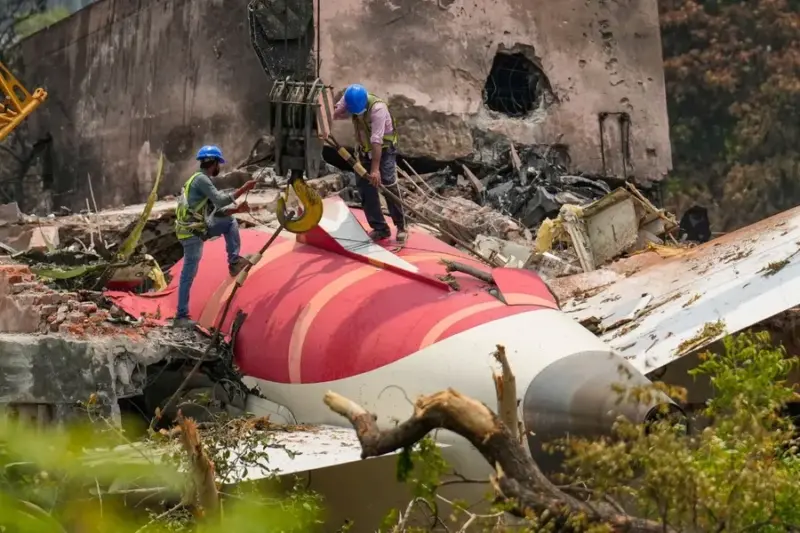

The International Civil Aviation Organization has approved significant changes to global aircraft accident investigation rules, marking a major step towards strengthening aviation safety and restoring trust in the system.
The reforms focus on ensuring that investigations remain independent, transparent and free from conflicts of interest, particularly in politically or legally sensitive cases.
These changes fall under Annex 13 of the Chicago Convention, which governs how air accidents and incidents are investigated worldwide. While the framework has long guided aviation authorities, recent cases have highlighted gaps where investigations were delayed, interrupted or left incomplete, raising concerns about credibility and missed safety lessons.
Under existing norms, the country where an accident occurs is responsible for leading the investigation through a designated authority. The primary objective is to determine the cause of the incident and prevent future occurrences rather than assign blame. However, in several instances involving geopolitical tensions or suspected unlawful interference, investigations have not been completed or have been transferred without clarity, leading to gaps in findings and accountability.
To address these challenges, ICAO's updated standards introduce measures to ensure investigations are carried through to completion regardless of external pressures. A key provision allows countries to delegate investigations to another state or a regional body if a conflict of interest is identified, helping maintain neutrality and credibility.
The new framework also encourages countries to involve ICAO or third-party observers in investigations to enhance transparency and build public trust. Authorities are expected to provide timely and verified information to the public, reducing misinformation during high-profile incidents. Additionally, investigation teams must be granted immediate and unrestricted access to all relevant evidence, addressing past concerns where delays or restrictions affected outcomes.
Another important element is the emphasis on communication with victims' families, ensuring they are kept informed respectfully throughout the investigation process. This reflects evolving global expectations for accountability and transparency in aviation safety.
The reforms also align with Annex 19, which deals with safety management systems, ensuring that findings from accident investigations are integrated into broader safety frameworks. This approach shifts the focus from reactive analysis to proactive risk prevention, strengthening the overall aviation safety ecosystem.
For countries like India, where the aviation sector is expanding rapidly, these changes will require updates to national systems and procedures. Regulatory bodies such as the Directorate General of Civil Aviation will need to enhance institutional independence, coordination and transparency in line with ICAO standards.
Member states have been given until November 23, 2028, to implement the revised rules, allowing time for regulatory adjustments and capacity building. ICAO will support this transition through updated manuals, guidance materials and training programmes involving aviation, judicial and security agencies.
The move comes at a time when aviation incidents are increasingly linked with complex geopolitical and security issues, making independent investigations more critical than ever. By reinforcing a system that prioritises impartiality and completion of investigations, ICAO aims to ensure that every accident contributes to improving global aviation safety and preventing future tragedies.