
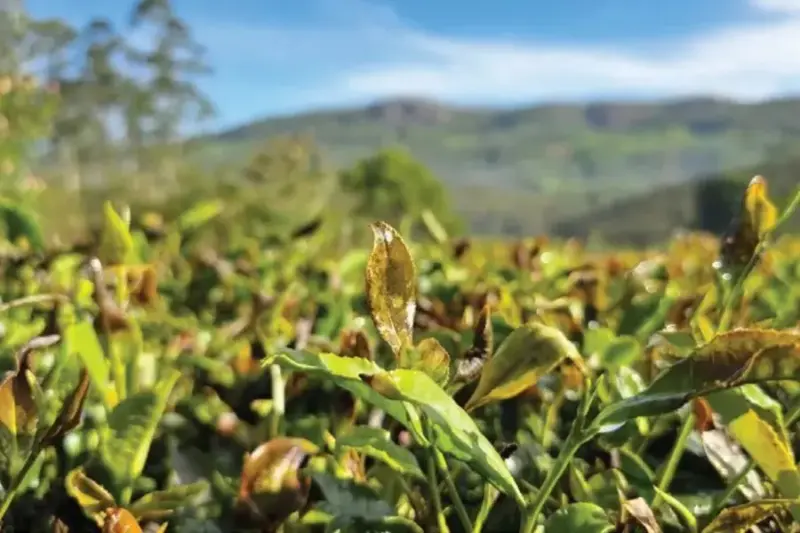

Thousands of tea garden workers in Upper Assam's expansive tea estates carry on a custom that has influenced the area's economy and culture for many generations.
However, their long-standing demands have once again gained political attention as the state approaches elections.
In Assam, especially in constituencies in Upper Assam, the Tea Tribe, also referred to as tea-garden communities, constitutes a sizable portion of the electorate. These days, political narratives and campaign tactics are influenced by their concerns, which range from wages to social recognition.
At the heart of their demands is wage security. Workers say that although financial allocations and wage revisions are frequently announced in state budgets, benefits often fail to reach them on the ground. Another major and long-standing issue is the demand for Scheduled Tribe status, which the community has been seeking for decades. The Tea Tribe traces its roots to labourers brought to Assam by the British over 200 years ago to work in tea plantations.
While dissatisfaction over unfulfilled promises persists, sections of the community acknowledge improvements in welfare schemes and infrastructure in recent years.
The ruling Bharatiya Janata Party claims it has taken unprecedented steps to improve the lives of tea garden workers and has expressed confidence in retaining the community's support. In contrast, the Indian National Congress has accused the government of failing to deliver on key promises.
As political outreach intensifies in Assam's tea belts, the aspirations of the Tea Tribe remain central to the debate, with elections to the Assam Legislative Assembly scheduled later this year.