




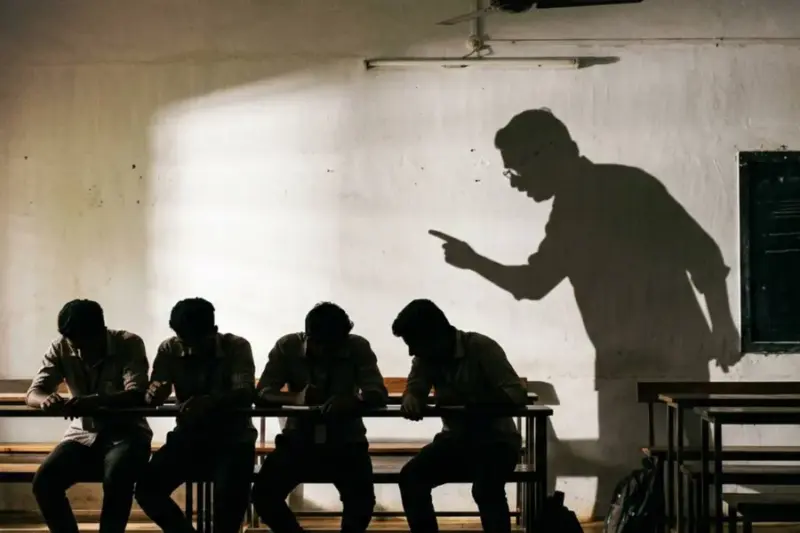

Public outrage in Kerala once rallied strongly for justice for Rohith Vemula, the University of Hyderabad student who died by suicide after facing alleged caste discrimination.
While Kerala may not witness the same intensity of caste bias often reported in parts of North India, higher education institutions in the state still lack robust mechanisms to effectively address isolated incidents.
The government has directed colleges to establish Internal Complaints Committees (ICCs), which assess grievances and, if necessary, refer cases to the police. However, there remains no dedicated or effective framework to specifically handle caste-based discrimination complaints within campuses.
The University Grants Commission (UGC) is also failing to take concrete steps to curb caste discrimination. Although UGC guidelines issued in 2002 mandated the creation of SC/ST welfare cells in colleges, these bodies are not equipped to deal with discrimination complaints in a structured manner. Apart from the recent move by the Karnataka government to approve the 'Rohith Vemula Act', there have been limited legislative efforts elsewhere in the country.
Cases that shook Kerala
In 2015, a research scholar at Mahatma Gandhi University, Deepa P Mohanan, filed a complaint alleging caste-based bias from a senior academic, drawing widespread attention.
Though not a caste discrimination case, the death of veterinary student Sidharthan following alleged brutal ragging at a college in Pookode two years ago also highlighted gaps in institutional accountability, with justice still pending.
Last year, Vipin Vijayan, a research scholar at the University of Kerala, raised allegations of caste discrimination by a department head. However, the issue failed to gain serious attention amid political controversies.
Caste discrimination data
Over the past five years, 114 complaints related to caste discrimination were reported across colleges and universities.
The number of complaints rose from 173 in 2019-20 to 378 in 2023-24, indicating a growing trend.
Between 2019-20 and 2023-24, a total of 1,160 complaints were recorded across 704 universities and 1,553 colleges nationwide, of which 1,052 cases have been resolved.