
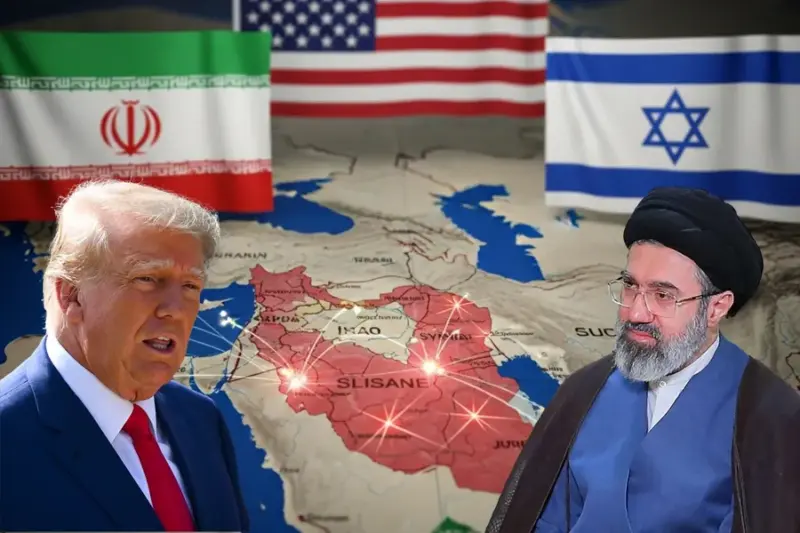

Washington DC: The escalating US-Iran nuclear standoff has reportedly moved into a Cold War-style phase, marked by intensified sanctions, maritime pressure in key shipping routes, and stalled diplomatic efforts, according to an Axios report.
The situation follows what is described as US President Donald Trump's "Operation Epic Fury", with tensions now settling into a prolonged stalemate. While no full-scale war has broken out, officials on both sides are said to be preparing for a long period of confrontation without clear resolution.
The Strait of Hormuz remains a major flashpoint, with reports of continued US naval enforcement actions against Iranian-linked vessels. At the same time, Washington has maintained economic pressure through expanded sanctions targeting Iranian oil exports, financial institutions, and shipping networks.
US officials cited in the report have expressed concern that the situation could evolve into a "frozen conflict", where military presence remains high but direct warfare is avoided. In such a scenario, US forces would stay deployed in the region, while diplomatic negotiations remain stalled.
Energy markets have already reacted, with higher oil prices expected to persist due to ongoing uncertainty around supply routes, particularly through the Strait of Hormuz, which handles a significant share of global crude shipments.
President Trump is reportedly weighing a dual-track approach, balancing further military options with continued "maximum pressure" sanctions aimed at forcing Iran back to negotiations over its nuclear programme. However, advisers quoted in the report suggest internal divisions within the administration over how far to escalate pressure.
US Secretary of State Marco Rubio has defended the sanctions strategy, calling the pressure on Iran "extraordinary" and urging international partners to join the effort to push Tehran towards concessions.
Meanwhile, some political and military voices in Washington are advocating a more aggressive approach, including potential military strikes to break the deadlock. Others warn that such action could further destabilise the region.
Iran, for its part, has reportedly proposed limited side negotiations linked to easing maritime restrictions, but no agreement has been reached. US officials have indicated that broader nuclear concerns remain the central sticking point, with no compromise in sight.
Analysts say the current phase reflects a long-term strategic standoff, with both sides avoiding direct war while continuing economic and military pressure. However, the risk of sudden escalation remains, particularly if incidents occur in contested maritime zones or if diplomatic channels fully break down.
For now, the US-Iran confrontation appears locked in a tense equilibrium, with neither side showing signs of backing down and the broader region facing continued instability.