
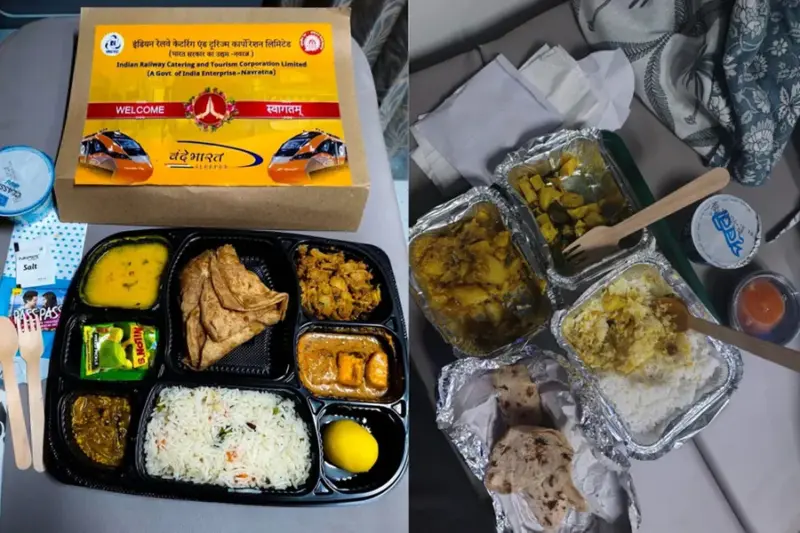

Indian Railways is preparing for potential changes in onboard catering as a growing liquefied petroleum gas (LPG) shortage threatens the supply of cooked meals on long-distance trains.
The shortage stems from the ongoing conflict in West Asia, which has disrupted natural gas shipments passing through the Strait of Hormuz, a key route for India's imports.
Gas crisis forces alternative cooking at stations
The Indian Railway Catering and Tourism Corporation (IRCTC) has issued a nationwide advisory directing food plazas, refreshment rooms, and Jan Ahaar outlets to switch to alternative cooking methods. Outlets are being urged to use microwaves and electric induction systems to maintain operations if LPG deliveries are delayed or halted.
IRCTC has also instructed catering units to stock ready-to-eat (RTE) food items to ensure passenger demand is met. The measures aim to prevent service interruptions at railway stations, which could otherwise inconvenience travellers relying on base kitchen-prepared meals. Catering operators must report any supply disruptions immediately to their respective zones.
Impact on onboard meal services
Although pantry cars on trains primarily reheat meals and do not carry LPG, disruptions at IRCTC base kitchens are affecting long-distance train meal preparation. India's rail network serves roughly 17 lakh meals daily, with about 20% concentrated in the western zone, making it especially vulnerable if the shortage continues. Officials have warned that the crisis could intensify, prompting possible temporary suspension of cooked meals onboard. Passengers who pre-book meals may receive refunds if services are halted.
Government steps to secure energy
The Indian government has rationed natural gas, prioritising households receiving piped gas and vehicles running on compressed natural gas (CNG). Industries continue to receive a large portion of their fuel requirements, while alternative import routes are being explored to offset supply shortfalls. Authorities have also invoked the Essential Commodities Act to regulate domestic energy availability and maintain stability.
Railway authorities are monitoring LPG supplies closely and coordinating with vendors. If the shortage worsens, temporary disruption of cooked meal services across certain trains is likely, though full station operations are expected to continue via alternate cooking arrangements.