




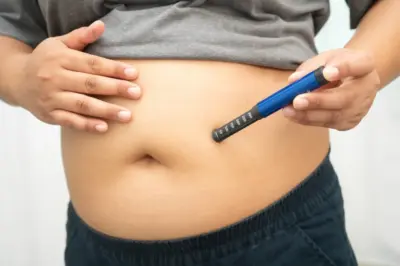

Weight-loss injections are having a moment in India. What started as a treatment for diabetes has quickly turned into a go-to solution for urban Indians looking to manage their weight, with drugs like Mounjaro and Ozempic becoming household names.
However, this surge has also created an opportunity for illegal networks to step in. The result is a growing presence of counterfeit versions of these high-demand drugs in the market.
Read more:Mounjaro brides: How is a new trend in India linking weddings to weight-loss injections?
A recent report by Reuters highlighted how serious the issue has become. Indian drug regulators recently seized suspected fake Mounjaro pens worth nearly Rs 7 million. The case shows how quickly counterfeit medicines can circulate and how difficult they are to identify.
Inside the crackdown
The operation was carried out on 19 April 2026 by the Haryana Food and Drug Control Administration. Officials intercepted the fake pens from a vehicle on the outskirts of New Delhi and arrested two persons.
Investigators revealed that raw materials such as peptides were allegedly sourced from sellers on the Chinese e-commerce platform Alibaba. The finished injection pens were then sold online through IndiaMART at prices about 27 percent lower than genuine products. Authorities also found packaging designed to closely resemble original labels.
There were further concerns about how these products were handled. The seized pens were not stored under proper refrigeration, which is essential for such medicines. Samples have now been sent for laboratory testing, and the accused individuals are currently in judicial remand.
Why fake versions are dangerous
Mounjaro, produced by Eli Lilly, is approved in India for treating type 2 diabetes and for weight management. Since its introduction in 2025, it has become one of the country's top-selling drugs by value, driven by a rapidly growing obesity market.
Read more:Intermittent fasting: No magic for slimming, but still a hit for some
This popularity also makes it a prime target for counterfeiting. Fake injection pens can pose serious health risks. They may contain the wrong dosage, no active ingredient at all, harmful substances, or even insulin instead of tirzepatide. Poor storage conditions can further reduce effectiveness or lead to infections.
Possible risks from counterfeit drugs include:
- Incorrect or unsafe ingredients
- Absence of the actual active compound
- Improper storage that weakens the drug
- Severe side effects or medical complications
Eli Lilly has said it is taking patient safety seriously and is cooperating with authorities investigating the issue.
How to spot a fake medicine
Detecting counterfeit drugs is not always straightforward, but there are some warning signs that can help:
Check the packaging carefully
Look out for spelling mistakes, uneven fonts or poor print quality. In the recent case, differences in labelling raised suspicion.
Verify where you buy from
Always purchase medicines from licensed pharmacies or authorised sellers. Be cautious of deals that appear too cheap, as counterfeit products are often sold at discounted rates.
Observe storage conditions
Medicines like Mounjaro need proper temperature control. Damaged or poorly handled packaging can be a red flag.
Confirm batch details or QR codes
Many genuine medicines include batch numbers or QR codes that can be verified. Missing or mismatched information should raise concern.
Notice physical differences
Any unusual change in the colour, texture or design of the injection pen or medication should not be ignored.
Staying safe in a growing market
It is always advisable to buy Mounjaro or similar injections only from authorised hospitals, licensed pharmacies or verified doctors. Consulting a healthcare professional before starting any weight-loss treatment is essential. Suspicious products should be reported to local drug authorities or directly to Eli Lilly.