
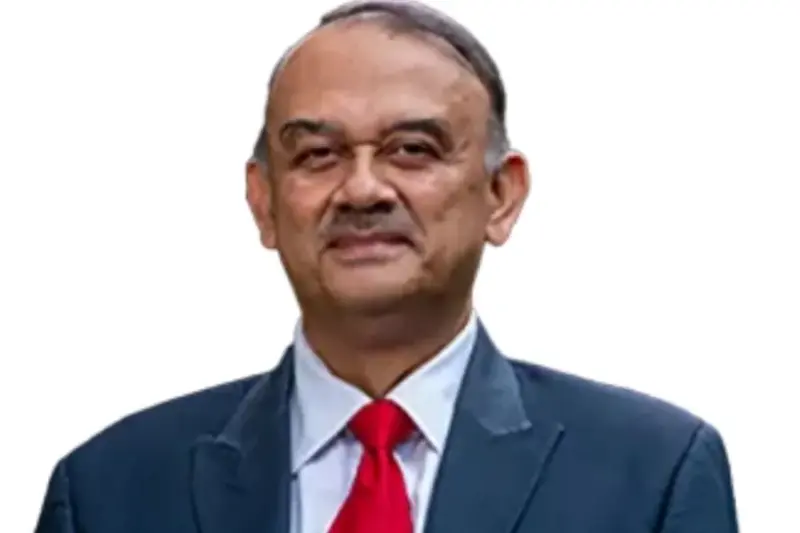

Mumbai: India's largest private sector lender, HDFC Bank, is facing fresh scrutiny after its part-time chairman, Atanu Chakraborty, resigned abruptly, citing "ethical misalignment", even as the bank's leadership moved quickly to deny any internal conflict.
Stepping in to steady the ship, interim chairman Keki Mistry dismissed speculation of a power struggle, asserting that there were no material or operational concerns within the bank.
"There was no power struggle. Differences on minor issues arise from time to time, but nothing significant," he said during a conference call on Thursday.
Ethics at the centre of exit
Chakraborty, a former IAS officer and seasoned policymaker, made it clear in his resignation letter that his decision was driven purely by personal principles. He pointed to certain "happenings and practices" within the bank over the past two years that did not align with his values.
Importantly, he clarified that there were no financial, operational, or regulatory issues behind his departure, leaving the exact nature of his concerns open to interpretation.
Despite the strong wording, Mistry revealed that the board is yet to receive any detailed explanation regarding the "ethical misalignment" flagged by Chakraborty. This lack of clarity has only deepened market curiosity around the sudden move.
Board maintains 'strong governance' stance
The bank has sought to reassure investors and regulators, stressing that its governance standards remain intact. Mistry emphasised that HDFC Bank continues to operate with robust risk management, transparency, and institutional integrity.
The resignation came in late on Wednesday, with board members subsequently meeting the Reserve Bank of India to secure approval for Mistry's interim appointment for three months starting March 19.
Timing raises eyebrows
Chakraborty's exit comes at a crucial phase for HDFC Bank, still navigating the long-term integration of its merger with HDFC Ltd: a deal that transformed it into one of India's largest financial conglomerates.
In his letter, Chakraborty acknowledged the significance of the merger but noted that its full benefits are yet to materialise, subtly hinting at possible strategic or execution-related concerns.
Market reaction turns negative
The sudden leadership change rattled investor sentiment. The bank's US-listed shares dropped sharply, while the stock fell nearly 5% in early Indian trading, hovering close to its 52-week low.
Brokerage firm JPMorgan maintained a neutral stance but warned that the stock could remain under pressure in the near term, especially amid global macro uncertainties.
What remains unanswered
While the bank insists there are no major issues, the absence of specifics around the ethical concerns has left a key question hanging: What exactly prompted the chairman's resignation?
Until more clarity emerges, the episode is likely to keep HDFC Bank in focus - not just for its financial performance, but for the governance questions now quietly surrounding India's banking giant.