
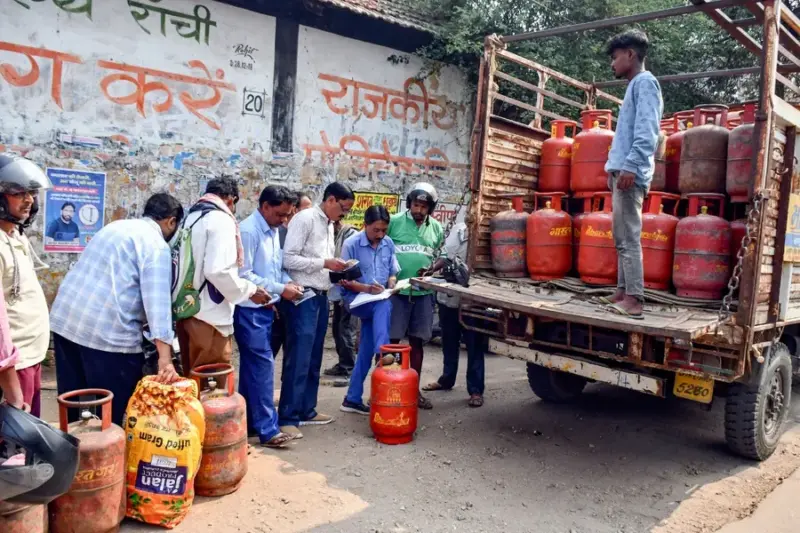

The widening military conflict between the United States, Israel, and Iran is sending major shockwaves through India's energy and agricultural sectors, as LPG shortages force states to ration cooking gas and hundreds of thousands of tonnes of basmati rice sit stranded at ports and in transit.
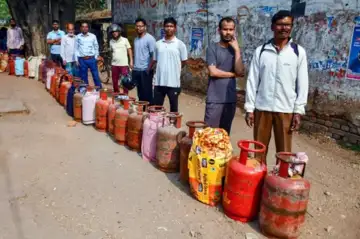
Cooking Gas Crisis Deepens
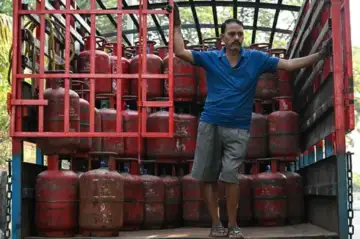
India, which imports roughly two-thirds of its LPG and sources 85 to 90 percent of those imports from the Middle East, is scrambling to avert a household fuel crisis after the effective closure of the Strait of Hormuz choked off shipments.
Weekly LPG inflows have dropped by nearly 30 percent, according to CNBC-TV18, and Argus Media reported that India may have as little as 10 days of LPG stocks to cover demand.
The Indian government invoked emergency powers under the Essential Commodities framework, directing all refiners to maximize LPG output and divert propane and butane away from petrochemical manufacturing, Reuters reported.
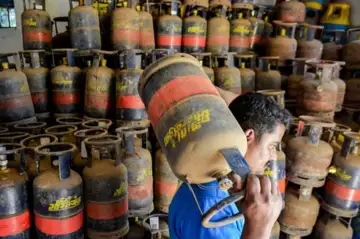
State-run oil marketing companies Indian Oil Corporation, Hindustan Petroleum, and Bharat Petroleum have been tasked with maintaining uninterrupted household distribution to India's roughly 332 million active LPG consumers.
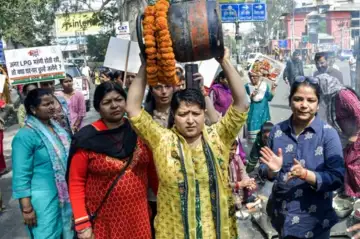
The restrictions are rippling across states. In Punjab, commercial LPG dispatches have been suspended entirely.
In Pune, the municipal corporation temporarily closed gas crematoriums after propane and butane were redirected to household use.
Himachal Pradesh imposed a 25-day lock-in period between cylinder refills, while similar curbs are in effect in Andhra Pradesh, Telangana, and Tamil Nadu.
Restaurants, hotels, and industrial units dependent on commercial gas face the sharpest impact, with an estimated 9,000 restaurants and bars in Maharashtra alone at risk of suspending operations.
Rice Exports Stall
India's basmati rice trade, the world's largest, has been hit simultaneously. Around 400,000 metric tonnes of basmati are stuck in transit or stranded at Indian ports as shipping routes through the Persian Gulf have become uninsurable, Reuters reported via Business Today. Container freight rates have more than doubled since the strikes began.
Iran accounts for roughly 25 percent of India's basmati market, and Haryana, which contributes about 35 percent of India's total basmati exports, is bearing the brunt.
Basmati prices have already fallen by Rs 4-5 per kilogram in domestic markets as exporters resort to distress selling, according to the Rice Exporters Association. Bloomberg reported that securing vessels for Middle East-bound shipments has become increasingly difficult.
What Comes Next
India has approached the United States for maritime insurance protection and is negotiating with suppliers, including Sonatrach and Abu Dhabi National Oil Company to secure alternative energy shipments.
G7 finance ministers are discussing a coordinated release of emergency oil reserves from a combined stockpile of about 1.2 billion barrels.
The government maintains that household LPG supplies remain stable for the coming weeks, but officials acknowledge that the outlook hinges on whether alternative cargoes arrive on schedule and whether the conflict, which President Donald Trump has suggested could last four weeks or more, de-escalates.