

Tehran: At least 192 protesters have been killed in Iran's largest wave of unrest in more than three years, according to a rights group, as alarm grows over what activists describe as a violent crackdown by state authorities.
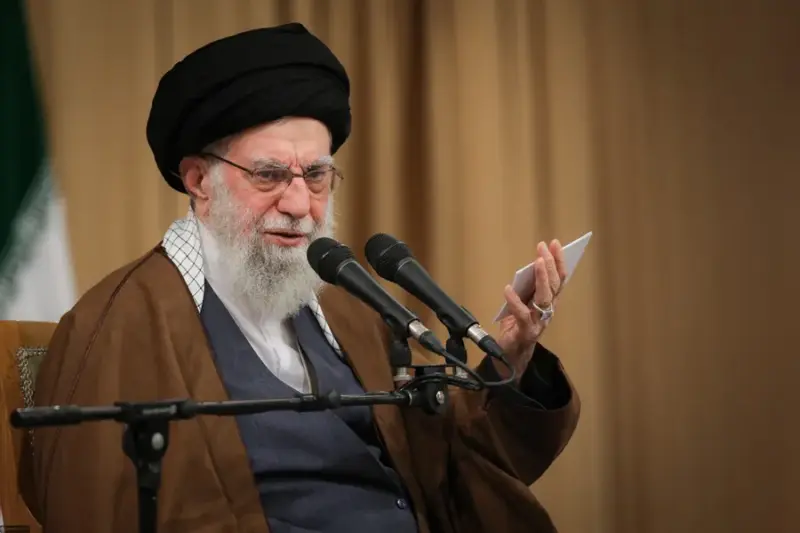
The demonstrations, which began over rising living costs, have developed into a broader challenge to Iran's political system. The protests have continued for two weeks and represent one of the most serious tests to the rule of Supreme Leader Ayatollah Ali Khamenei since the 1979 revolution.
The unrest follows a 12-day war between Israel and Iran in June, which was backed by the United States, further heightening domestic and regional tensions.
Protests grow despite internet blackout
Demonstrations have intensified in recent days despite a nationwide internet shutdown that has lasted more than 60 hours, according to monitoring group Netblocks. Activists say the blackout has severely restricted the flow of information and could mean the true death toll is significantly higher.
Norway-based Iran Human Rights said it had verified at least 192 protester deaths since the unrest began, warning that the figure may rise as access to information improves.
Despite communication restrictions, videos verified by AFP showed large crowds protesting in Tehran and other cities, including Mashhad. Some footage showed vehicles set ablaze as security forces moved to contain the demonstrations.
Unverified videos circulating online appeared to show relatives identifying the bodies of protesters at a Tehran morgue following the crackdown.
The US-based Center for Human Rights in Iran said it had received eyewitness accounts and credible reports suggesting that hundreds of protesters may have been killed during the internet shutdown. It warned that hospitals were overwhelmed, blood supplies were running low, and some protesters were deliberately shot in the eyes.
Arrests and official response
Iranian authorities said they had carried out "significant" arrests of protest organisers, though no figures were provided. State television aired funeral processions for security personnel killed during the unrest and described the protests as riots and vandalism.
Security chief Ali Larijani said demonstrations driven by economic hardship were understandable but accused some participants of using methods similar to terrorist groups. President Masoud Pezeshkian said the government aimed to establish justice but warned against disruptions to public order.
An AFP journalist in Tehran described a city close to paralysis, with shops closing early as security forces deployed in large numbers. Food prices have surged, with meat prices nearly doubling since the protests began.
International reaction and rising tensions
Exiled former crown prince Reza Pahlavi called on Iranians to continue protesting and pledged his support from abroad.
US President Donald Trump voiced support for the protesters and warned Iranian authorities against further killings. Israel's foreign minister urged the European Union to designate Iran's Revolutionary Guards as a terrorist organisation and said Israel supported the Iranian people's struggle for freedom.
In response, Iran's parliament speaker Mohammad Bagher Ghalibaf warned that any US military action would be met with retaliation, saying American military bases, shipping interests and what he referred to as occupied territory would be legitimate targets.
As protests continue and international pressure mounts, rights groups warn that violence against civilians could escalate further unless immediate steps are taken to halt the crackdown.