




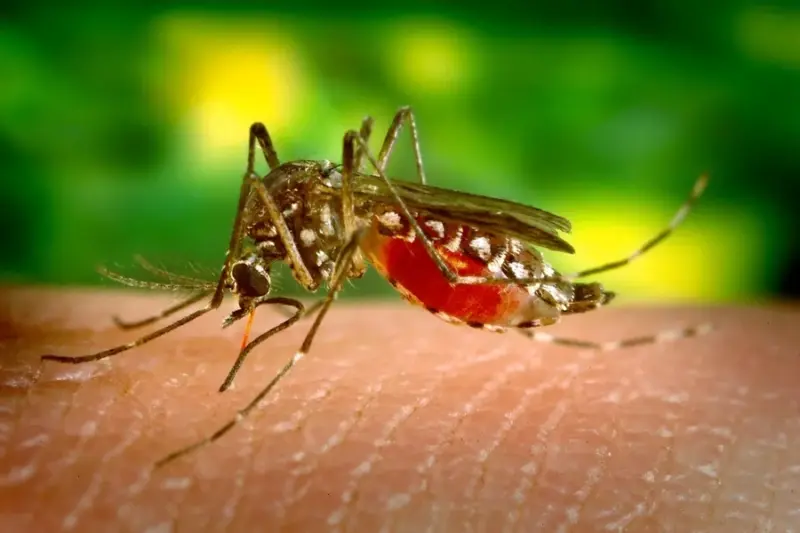

Monsoons are around the corner in Kerala, and so are vector-borne diseases, with dengue cases continuing to rise. This National Dengue Day, awareness becomes especially important for children returning to school after their summer vacations.
The National Centre for Vector Borne Diseases Control reports that dengue cases and deaths in Kerala have steadily increased between 2021 and 2026. Another report based on Kerala Health Department surveillance data stated that 378 confirmed dengue cases and four deaths were reported in Kerala in January 2026 alone. Since the beginning of the year, 670 dengue cases have already been recorded.
For 10-year-old Abhijith from Kollam, the fever began like any other seasonal illness. He attended school as usual, but by the very next day, his condition started deteriorating. He was admitted to a medical college hospital with a high fever, but despite continuous treatment, his temperature remained high. He was later shifted to a bigger hospital after his platelet count dropped rapidly and the persistent high temperature began affecting his brain. However, he fell victim to the disease. His parents were later informed that the cause of death was dengue, which had gone undiagnosed during the early stage.
Abhijith's story is just one among thousands of dengue cases reported every year among school-going children and adolescents, who account for a significant proportion of infections due to greater outdoor exposure at schools, playgrounds, and during travel. Doctors and healthcare officials have repeatedly warned that children are more vulnerable to severe dengue complications because of a weaker immune system, delayed diagnosis, dehydration, and increasing exposure to crowded urban environments.
Studies by the World Health Organisation (WHO) report high dengue seroprevalence among children aged 9 to 12, indicating that many in this age group may have already been exposed to dengue at some point, even without an official diagnosis. This has become a growing concern among parents, as symptoms are often mistaken for seasonal fever and treated with home remedies, delaying proper medical care.
Symptoms you should look out for:
When dengue progresses into severe dengue, the condition can worsen rapidly and lead to life-threatening complications. Doctors say warning signs often appear after the fever subsides. These include:
- Severe abdominal pain
- Persistent vomiting
- Blood in vomit or stool
- Bleeding gums or nose
- Fatigue and weakness
- Restlessness
- Excessive thirst
- Pale and cold skin
- Sleepiness, low energy, or irritability
If a child experiences any of these symptoms, immediate medical attention is necessary. However, health experts stress that prevention remains the best protection against dengue.
Protecting Children from Mosquito Bites
- Avoid letting children play outside during peak mosquito hours, especially early morning and before sunset.
- Dress children in loose, light-coloured clothing that fully covers their arms and legs.
- Make children wear socks and closed shoes to reduce exposed skin.
- Apply child-safe mosquito repellents on the skin and around the house.
- Use mosquito coils or vapourisers safely indoors and away from children's reach.
- Ensure children sleep under mosquito nets, especially during daytime naps, and keep windows and doors closed during peak mosquito activity.
- Remove stagnant water around homes, schools, and playgrounds where mosquitoes breed.
- Cover water storage containers indoors and outdoors with tight lids.
Public health experts also emphasise that a part of these preventive measures should also come from society, as communities play an important role in a child's growth and well-being. Clearing clogged drains and gutters to prevent water accumulation can significantly reduce breeding grounds for Aedes mosquitoes.
According to UNICEF, climate change has become a major factor contributing to the spread of dengue into higher elevations. Sanitation-related issues and the increasing transportation of people and goods have also contributed to the rise in dengue cases globally.
Dr Vineetha K, a general physician, from NHM Irikkur Hospital, says dengue cases have increased both in number and severity over the years. According to her, rapid urbanisation and the accumulation of stagnant water sources have increased the risk of dengue-carrying mosquitoes. Parents often ignore the early symptoms, mistaking them for viral infections or seasonal fever, as many symptoms closely resemble each other, she says.
She explains that symptoms such as high fever, body pain, pain behind the eyes, vomiting, rashes, and fatigue can later develop into severe dengue. She also warns against self-medication, as dengue can progress into dengue haemorrhagic fever and shock syndrome if not treated properly.
"Parents should watch out for warning signs early on to prevent further complications," she adds. According to Dr Vineetha, bleeding, damp and sweaty skin (cold, clammy skin), persistent vomiting, severe abdominal pain, and a sudden drop in platelet count can act as warning signs of severe dengue. She further advises parents and schools to conduct regular cleanliness drives, prevent stagnant water accumulation even in flower pots, to use mosquito nets, and ensure children wear protective clothing.
She concludes by stressing that seeking timely medical care, rather than depending solely on home remedies, can play a crucial role in reducing dengue-related complications and deaths among children.
(Compiled by Medha)