






Borrowing a friend's skincare product or lip balm often feels normal, especially among teens and young adults. However, dermatologists warn that this everyday habit can do more harm than good, particularly for skin that is already sensitive or prone to breakouts.
Why skincare should always be personal
According to dermatologists, one of the biggest reasons to avoid sharing skincare is that no two skin types are the same. Skin may be oily, dry, combination, normal or sensitive, and products are formulated specifically for these needs.
Doctors explain that products designed to control oil production may strip moisture from dry or sensitive skin, while richer formulations meant for dryness can clog pores and worsen acne in oily skin types.
What happens when the wrong product meets your skin
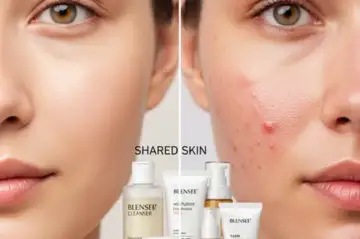
Using skincare that is not suited to your skin type can disrupt the skin's natural protective barrier. Dermatologists warn this may lead to contact dermatitis, appearing as red, itchy rashes.
Allergic reactions are another risk, as unfamiliar ingredients can trigger sudden inflammation. In some cases, heavier products can block pores, leading to whiteheads, blackheads and acne flare-ups.
The hidden danger of contamination
Beyond skin compatibility, contamination is a major concern when products are shared. Dermatologists caution that repeated use by multiple people can turn skincare into a breeding ground for bacteria.
Products stored in jars pose a higher risk, as fingers are repeatedly dipped into the formula. Bacteria transferred from hands can contaminate the product and multiply over time, increasing the risk of skin infections.
When body fluids make things worse
Doctors say the risk increases when products come into contact with body fluids. Mascara and eye products may be exposed to tears or mucus, while lip balms and lipsticks can collect saliva.
Products used on acne, cuts or scratches may also come into contact with pus or blood, making it easier for bacteria to spread from one person to another through shared use.
A common germ hotspot in shared spaces
Experts also highlight shared bathroom items as overlooked sources of infection. Bars of soap, in particular, remain damp between uses, creating an ideal environment for bacteria to thrive. Sharing soap bars can therefore increase the risk of skin infections.
Simple steps to protect your skin
To maintain healthy skin, dermatologists recommend avoiding the sharing of all beauty and skincare products. Even personal tools require proper hygiene.
Experts advise washing makeup brushes, sponges and applicators at least once a week. Using regular cleansers or alcohol-based sprays can help reduce bacterial build-up and lower the risk of irritation or infection.
(Disclaimer: This article is for informational purposes only and is not a substitute for professional medical or dermatological advice. Always consult a qualified healthcare provider or dermatologist for personalised skincare guidance)