





Kozhikode: Shigella infection has been confirmed in two children from Perumanna in Kozhikode district, Kerala. The infection was detected in children aged two and three, both of whom are currently undergoing treatment at Kozhikode Government Medical College Hospital.
Doctors said their condition is stable.
The children, from the Parakkandam and Puthiyottil areas of Perumanna Panchayat, were initially admitted to the Perumanna Health Centre after developing symptoms. Following primary treatment, they were shifted to the Medical College Hospital for further care.
The panchayat authorities and the health department said preventive measures have been launched in the area following confirmation of the infection. Efforts to contain the spread of the disease are progressing rapidly.
Earlier, Shigella had spread widely in Peruvayal Grama Panchayat in Kozhikode, where a child also died from the disease. The outbreak was later brought under control through strict preventive measures. Similar steps are now being implemented in Perumanna.
What is Shigella?
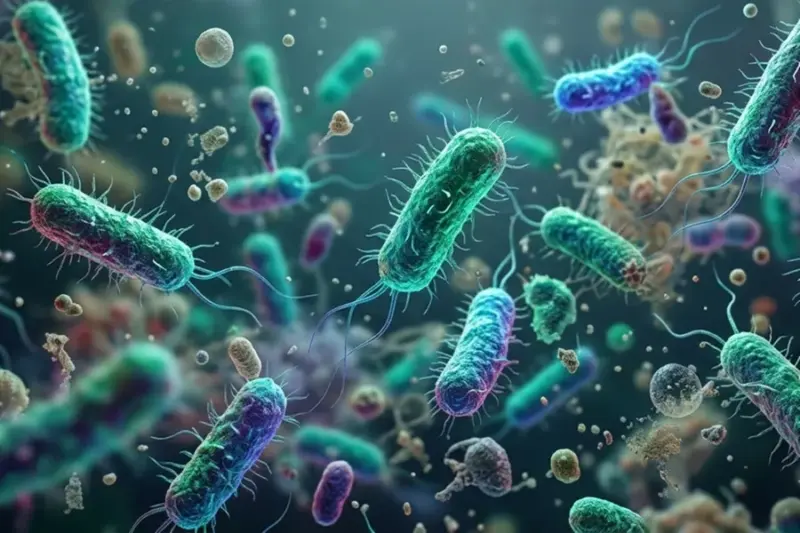
Shigellosis is an intestinal infection caused by bacteria belonging to the Shigella group. Commonly referred to as Shigella infection, the disease spreads quickly and mainly affects the intestines. The most common symptom is diarrhoea, which can become severe and bloody in some cases.
The disease becomes dangerous mainly due to dehydration. If dehydration is not treated in time, it can lead to serious illness and even death. Children under the age of five are particularly vulnerable. However, doctors say the disease can be effectively controlled with timely treatment.
Symptoms of Shigella Infection
When Shigella bacteria infect the intestinal lining, they produce a toxin known as Shigella toxin. Symptoms usually appear within one to three days of infection, although it may take up to a week in some cases.
Common symptoms include:
- Diarrhoea, often mixed with blood and mucus
- Abdominal pain
- Nausea and vomiting
- A persistent feeling of incomplete bowel movements
In some cases, neurological complications such as seizures may also occur, increasing the risk of death in children.
Doctors warn that delayed diagnosis is one of the main reasons the disease becomes severe. By the time some patients reach hospital, they may already be suffering from significant dehydration. Loss of fluids and essential salts can cause weakness, a dangerous drop in blood pressure, and, in severe cases, death.
Treatment
The primary treatment for Shigellosis is preventing dehydration by replacing lost fluids and salts. Patients are advised to drink plenty of Oral Rehydration Solution (ORS) and salted rice water. In severe cases, hospitalisation and intravenous fluids may be required.
While antibiotics are not usually necessary for most diarrhoeal diseases, they may be prescribed in cases of Shigellosis to reduce the severity of the infection and help control its spread.
ALSO READ | Why asthma and COPD symptoms spike during extreme heatwaves