




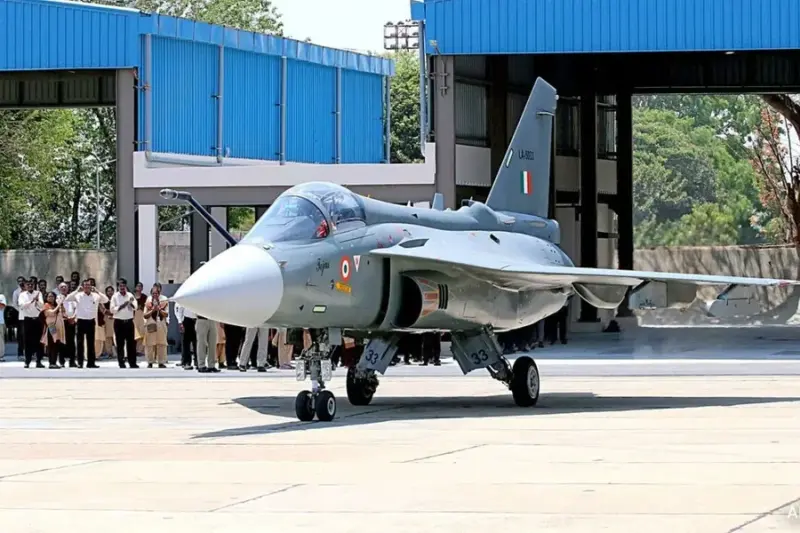

The story of Tejas Mark 1A has become much more than just delivering fighter planes on time. It is now about building deep trust in India's own defence capabilities.
HAL's new Chairman and Managing Director, Ravi Kota, who is fondly called the LCA Man inside the aerospace community, has made the delivery of these Tejas Mark 1A fighters to the Indian Air Force his number one priority.
Even with this strong focus, the June-July timeline may still slip a bit. This is happening despite the IAF giving many helpful relaxations to speed up the process. The Air Force understands the challenges and wants Indian planes in service soon. But they have drawn very clear red lines that cannot be crossed. These red lines are all about real combat power - things like the ability to fire missiles accurately and the full performance of electronic warfare systems that act like a protective shield against enemy threats.
Imagine a fighter plane as a modern warrior. It is not just about flying fast. It must fight smart in a network of systems. The IAF does not want any aircraft that cannot be fully used if tensions rise shortly after induction. That would put our brave pilots at risk, and no one wants that. At the same time, the IAF is showing a big heart by accepting temporary workarounds in non-critical areas. For example, if some automatic feature for pilot ease takes more time, pilots can handle it manually for now. Some of these pending jobs might finish only after a year. These fresh concessions build on earlier agreements from February and show the IAF's flexible support for the homegrown program.
For a long time, engine delivery delays from foreign partners were blamed as the main issue. Engines are the heart of any plane, and supply chain problems do happen across the world. But the real picture runs deeper. There are challenges in integrating complex systems like the radar, weapon controls, and our own electronic warfare suite. An engine delay is like waiting for a key car engine part. But system integration issues point to the tough job of managing testing, certification, and bringing everything together smoothly.
Let us understand this simply. Building a prototype - the first test model - is exciting and creative. Turning that into dozens of reliable, combat-ready planes on schedule is a completely different ball game. It needs strong planning, supply chains, and teamwork. HAL has a proud history of success in licensed manufacturing of foreign designs. But creating a fully Indian fighter from scratch brings new learning curves. This is normal for any nation taking its first big steps in advanced aerospace.
Tejas is India's first homegrown fighter aircraft. Think of it as our own child growing up. It has already created thousands of jobs, built valuable design skills across the country, and cut our long dependence on imported planes. IAF pilots who have flown it have always given positive feedback on its flying qualities, agility, and many strong points. The program stands as a symbol of India's self-reliance dream in defence.
The fact that the IAF is willing to relax some non-essential requirements to get the planes faster shows their strong belief in Tejas. This is an extraordinary step for any air force. Yet, they stay firm on combat capability. They have neatly divided pending tasks into minor, major, and unacceptable groups. Minor issues like cockpit comfort or extra automation can be fixed later. But anything affecting fighting strength stays non-negotiable.
People often ask why such issues did not appear when India imported fighters or made them under Transfer of Technology from abroad. The answer is honest and straightforward. Imported programs also faced delays, integration troubles, and cost overruns, but they received less public attention and criticism. Tejas, being fully developed in India, faces extra scrutiny because it is our pioneering effort. Every first attempt has teething problems, but these teach us and make us stronger.
HAL operates under strict Defence Procurement Policies that sometimes create hurdles. The L1 system, where the lowest bidder wins, often leads to problems. Some suppliers quote unbelievably low prices just to grab the order. At those rates, they cannot even buy basic raw materials properly, forget completing the full product. Once they get the purchase order, delays start. The supplier and the officer who awarded it sometimes escape strong action. They use that order to show credibility and win more business elsewhere. This cycle hurts quality and timelines badly.
This is why officer accountability is crucial. The Defence Department must clearly answer if Ravi Kota has been given full powers to act firmly against non-performance and select the best, reliable suppliers instead of just the cheapest. Procurement rules need a practical change. Focus must shift to quality, timely delivery, and real value rather than rock-bottom prices that no one can actually deliver.
Media and observers should stop putting all blame only on HAL or the new CMD. Instead, look at how top nations build their world-class aircraft - with supportive policies, steady funding, and less blame game. Constantly pulling down HAL does not help. It only weakens our national confidence and gives unnecessary strength to adversaries.
Pakistan is actively upgrading its air force with advanced fighters, mostly through strong collaboration and Transfer of Technology with China and Turkey. They have the JF-17 Block III, a capable 4.5-generation multirole fighter jointly developed and produced with China. Over 50% of it is made locally at Pakistan Aeronautical Complex in Kamra. Pakistan is also acquiring China's J-35 stealth fighter, a fifth-generation aircraft, with reports suggesting possible deliveries around 2026. Additionally, they have interest in Turkey's KAAN fifth-generation fighter, with some partnership elements discussed. Pakistan's own Project Azm and PFX aim at future 5th-generation development, but these are still in planning and early stages, relying heavily on foreign partners rather than full indigenous capability yet. In these challenging times, India must stand firmly behind its indigenous programs like one family.
Past timeline revisions under earlier leadership have affected trust levels. Some wonder if optimistic public statements were influenced by other factors. But the focus now must move forward. India is investing heavily in future projects like Tejas Mark 2 and the Advanced Medium Combat Aircraft. Success with Mark 1A, which builds on an already proven base, will boost confidence for these bigger dreams.
Ravi Kota brings fresh energy. Coming from deep inside the Light Combat Aircraft world, he understands every technical detail. His challenge is bigger than delivering a few planes quickly. He must rebuild strong confidence between HAL, the IAF, and the entire defence establishment. This needs teamwork, clear communication, and practical support from all sides.
At the end of the day, this is not just about one delayed fighter jet. It is about proving that India's defence manufacturing ecosystem can deliver combat-ready systems at the speed our fast-changing security environment demands. With better policies, full accountability, and united national backing, HAL will overcome these challenges. Tejas represents our pride, our innovation, and our shield for the future. Indians should feel hopeful and support this important journey wholeheartedly.
(Girish Linganna is an award-winning science communicator and a Defence, Aerospace & Geopolitical Analyst)