
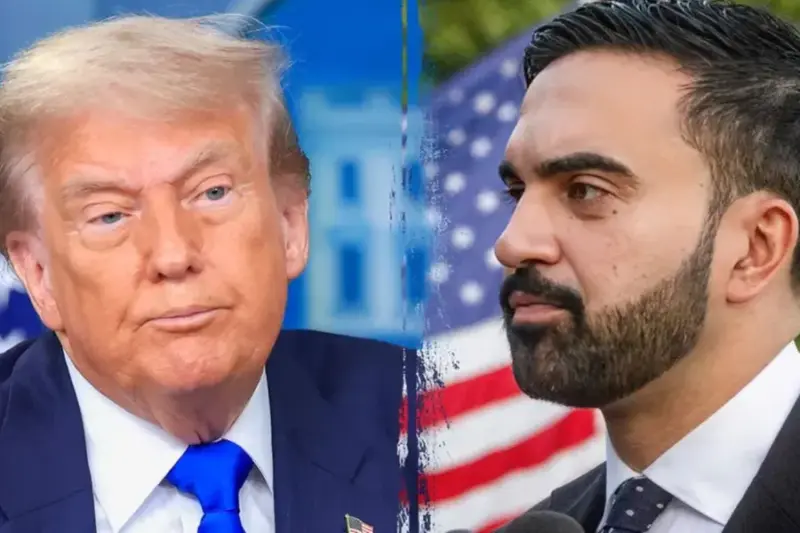

New York City's new mayor, Zohran Mamdani, has just made history - not only as the city's first Muslim and South Asian leader, but as a political figure who could become a formidable counterweight to President Donald Trump.
With control of America's most influential city, Mamdani now wields an office that is both locally powerful and nationally symbolic.
Far beyond potholes and policing, the Mayor of New York City governs a $100-billion-plus economy, commands a vast bureaucracy, and sets policy for nearly nine million people - enough power to make even the White House pay attention.
The Powers of the Mayor: City Hall's Executive Engine
Under the New York City Charter, the mayor serves as the city's chief executive, with powers that rival those of a small nation's head of government.
The mayor can:
- Appoint and remove the heads of more than 40 city departments and agencies - including police, housing, transit, sanitation, and education.
- Prepare and manage the city's annual budget, which exceeds that of most U.S. states.
- Veto legislation passed by the City Council, or push through new bills with council support.
- Reorganise or merge city agencies, shifting funding and focus without state interference.
- Direct intergovernmental relations, deciding how the city engages with the state and federal government.
These powers give the mayor enormous freedom to shape urban life - from social policy to economic planning.
As former mayors have demonstrated, City Hall can set national agendas: Fiorello La Guardia challenged Washington on welfare; Rudy Giuliani influenced federal policing debates; and Bill de Blasio used the office to push progressive national causes.
How Mamdani Can Pressurise Trump
President Trump has already targeted Mamdani, calling him a "communist lunatic" and warning that federal aid could be cut.
However, Mamdani's control of New York's machinery means he can pressurise Trump in several ways - politically, institutionally, and symbolically.
Political Counterweight:
Mamdani can turn New York into a model of progressive governance, directly opposing Trump's conservative agenda. If Trump seeks to roll back social programs, Mamdani can expand them locally - using the city as a showcase for alternative policies.
Legal and Fiscal Resistance:
The mayor can mobilise the city's legal department to challenge federal overreach in court - as New York did under Trump's first administration over immigration raids and environmental rollbacks.
He can also adjust city budgets to shield vulnerable populations if federal grants are threatened, blunting Trump's leverage.
Institutional Influence:
New York's global visibility gives Mamdani a megaphone. By controlling agencies like the Mayor's Office of International Affairs, he can engage directly with global networks, climate coalitions, and business groups - putting diplomatic and economic pressure on Washington without leaving City Hall.
Narrative Power:
In American politics, perception is influence. As the leader of the country's largest city, Mamdani can shape national discourse, drawing media attention to issues like inequality, climate, and migration.
Each public clash with Trump amplifies his message - and undermines the president's political standing in urban America.
City Hall vs. The White House
While the US Constitution limits municipal power against the federal government, New York's mayoralty is an exception - its scale, autonomy, and public voice make it a unique political force.
As one Columbia University political scholar put it, "When the Mayor of New York speaks, America listens - and the President can't ignore him."
For Mamdani, the challenge is to turn this immense local power into a national lever. And for Trump, the battle ahead may be less about policy - and more about who defines the future of America's greatest city.