
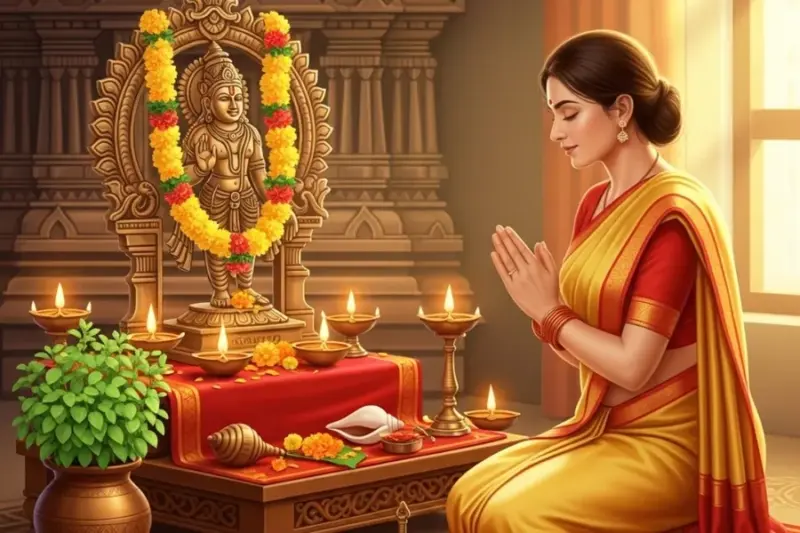

Apara Ekadashi is considered one of the spiritually significant Ekadashi vrats observed by devotees of Lord Vishnu. The vrat is associated with devotion, self-discipline, spiritual growth and prayers for peace and prosperity.
According to Hindu beliefs, observing the fast sincerely may also help devotees seek forgiveness for past mistakes and negative karmic actions.
This year, Apara Ekadashi will be observed on May 13, 2026. According to the Hindu Panchang, the Ekadashi Tithi begins at 2:52 PM on May 12 and ends at 1:29 PM on May 13. However, because Hindu fasting traditions generally follow the Udaya Tithi rule - meaning the tithi active during sunrise is considered for the vrat - devotees will observe the fast on May 13. The fast will later be broken on May 14 during the Parana timing.
When is Apara Ekadashi 2026?
Apara Ekadashi will be observed on May 13, 2026 (Wednesday).
According to the Hindu Panchang:
- Ekadashi Tithi begins: May 12, 2026 at 2:52 PM
- Ekadashi Tithi ends: May 13, 2026 at 1:29 PM
Although the tithi starts on May 12, the vrat will be observed on May 13 because Ekadashi fasting generally follows the sunrise-based Udaya Tithi rule.
The fast will be broken on May 14 during Parana timing.
Why Apara Ekadashi is considered important
Apara Ekadashi is regarded as spiritually significant in Hindu traditions and is dedicated to Lord Vishnu.
The word "Apara" is believed to symbolise immense or limitless spiritual benefits. Devotees believe observing the fast with devotion may help bring:
- Peace and prosperity
- Spiritual growth
- Forgiveness for mistakes
- Relief from negative karma
Many followers also observe the vrat for discipline, devotion and inner reflection.
Preparations for the vrat often begin a day earlier. Many devotees consume simple satvik food from May 12 itself and avoid onion, garlic and heavy meals before starting the fast. Some people also avoid dinner the night before Ekadashi as part of the observance.
On the day of the vrat, devotees traditionally wake up early, take a bath and wear clean clothes before beginning the puja rituals. An idol or image of Lord Vishnu is usually placed on a yellow cloth or seat. During the puja, devotees offer flowers, fruits, incense sticks, diya and sweets while chanting Vishnu mantras and reciting the Ekadashi vrat katha. The mantra "Om Namo Bhagavate Vasudevaya" is considered especially auspicious during Apara Ekadashi.
Apara Ekadashi puja vidhi
Devotees usually begin preparations a day earlier by consuming simple satvik food and avoiding onion and garlic.
On Ekadashi day:
- Wake up early and take a bath
- Wear clean clothes
- Place an idol or image of Lord Vishnu on a yellow cloth
- Offer flowers, diya, incense and fruits
- Chant Vishnu mantras
- Perform aarti and read the Ekadashi vrat katha
The mantra "Om Namo Bhagavate Vasudevaya" is commonly chanted during the puja.
Tulsi-related tradition devotees follow
Tulsi leaves are considered important in Vishnu worship, but according to religious beliefs, they should not be plucked on Ekadashi day itself.
Devotees usually collect Tulsi leaves a day earlier for the puja rituals.
Many people also avoid offering water to the Tulsi plant on Ekadashi.
What devotees avoid during Ekadashi vrat
People observing the vrat generally avoid:
- Rice and grains
- Onion and garlic
- Negative speech and anger
- Non-satvik food
Some devotees observe a complete fast while others consume fruits and light satvik meals.
Parana timing for Apara Ekadashi 2026
The fast will be broken on Dwadashi Tithi.
Parana timing:
- May 14, 2026
- Between 5:31 AM and 8:14 AM
During the vrat, devotees generally avoid rice, grains and non-satvik food items. People observing the fast are also encouraged to avoid anger, harsh speech and negative behaviour so the vrat can be completed with sincerity and devotion. While some devotees observe a strict fast, others consume fruits and light satvik meals depending on their health and personal practice.
The Parana, or ritual breaking of the fast, will take place on May 14, 2026, between 5:31 AM and 8:14 AM according to the Panchang timings.
(Disclaimer: The information provided in this article is based on widely followed Hindu Panchang calculations, religious beliefs and traditional practices. Rituals, fasting methods and timings may vary depending on region, community and personal customs. Devotees are advised to consult local priests or religious authorities for specific guidance.)