
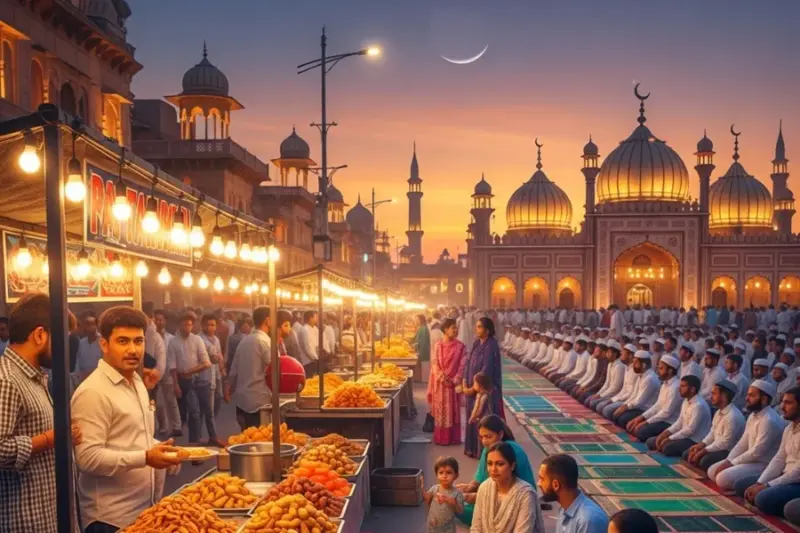

Ramadan in India is more than a month of fasting-it's a complete lifestyle shift. From pre-dawn meals (Sehri) to sunset Iftars, and late-night prayers to bustling community feasts, daily routines, food culture, and social interactions transform across the country.
In 2026, the start of Ramadan carries extra suspense, as a rare annular solar eclipse on February 17 adds uncertainty to the traditional moon-sighting that determines the holy month's beginning.
Why the Ramadan 2026 date isn't fixed yet
The date of Ramadan is not fixed because it follows the Islamic lunar calendar, which is about 10-11 days shorter than the solar Gregorian calendar. The month begins only after the first visible crescent (Hilal) is sighted, which can vary by location and weather conditions. For 2026, the start of Ramadan in India is expected around Thursday, February 19, as a rare annular solar eclipse on February 17 will make it impossible to sight the crescent on that evening. Communities across the country will complete 30 days of Shaban and officially begin fasting after the moon is confirmed.
The Ramadan lifestyle in India
Ramadan in India is more than fasting; it's a complete lifestyle shift affecting time, work, food, and social life.
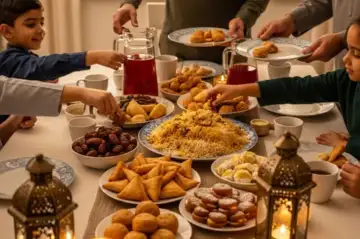
- Pre-dawn bustle (Sehri/Suhoor): The day starts around 3:30-4:00 AM, with mosque loudspeakers or "Sehri-wallas" waking neighborhoods. Families sit together for hearty meals that can include regional favourites like Pheni (vermicelli) and Khajla. These meals provide energy for the long day of fasting ahead.
- Workday adjustments: Offices and businesses often offer flexible hours or early departures. Fasting is coupled with spiritual discipline, including patience, avoiding anger, gossip, and negative thoughts-referred to as "Extraordinary Fasting."
- Evening transformation (Iftar): As sunset approaches, Indian streets fill with the aroma of frying Pakoras, Samosas, and Jalebis. The fast is broken traditionally with a date and a glass of Rooh Afza or water, symbolising renewal and gratitude.
- Community spirit: Iftar is rarely a private affair. Mosques host massive community feasts, welcoming people from all backgrounds. Later, Taraweeh prayers fill the mosques, and food stalls remain open late into the night for those seeking snacks after prayers.
Why the start date of Ramadan 2026 is uncertain
The timing of Ramadan in India depends on the Islamic Hijri Calendar, which is lunar-based, not solar like the Gregorian calendar.
1. Lunar vs. solar calendars
The lunar calendar has 354-355 days, about 10-11 days shorter than the solar Gregorian calendar. This means Ramadan shifts earlier each year.
2. Crescent moon (Hilal) sighting
Ramadan begins when the first visible crescent of the new lunar month is sighted.
On the 29th day of Shaban, moon-sighting committees (Ruet-e-Hilal) across India observe the sky after sunset.
If the crescent is visible, Ramadan starts the next morning. If not, the month of Shaban is completed to 30 days, and fasting begins a day later.
3. Special case for 2026
On February 17, 2026, an annular solar eclipse will make the moon invisible in India. Because of this, experts predict Ramadan will likely begin on February 19, 2026.
The "Night of Doubt"
The waiting for moon confirmation is called the "Night of Doubt". Families often stay glued to news channels or mosque announcements, making it a cherished part of Indian Ramadan culture. It heightens anticipation and strengthens the sense of community.
Spiritual and cultural significance
Ramadan is a time for self-reflection, discipline, and generosity:
Food traditions during Ramadan around world
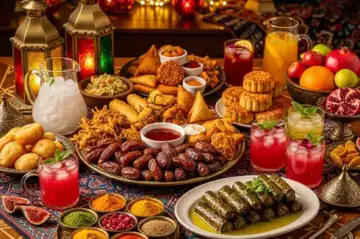
Food plays a central role, both nutritionally and symbolically:
1. Middle East
- Iftar staples: Dates, lentil soup, samosas, and kebabs.
- Special dishes: In Saudi Arabia, dishes like Jareesh (crushed wheat with meat) are common, while in Egypt, Koshari is often served.
- Drinks: Qamar al-Din (apricot juice) and rosewater drinks are popular to break the fast.
2. South Asia (India, Pakistan, Bangladesh)
- Iftar favourites: Samosas, Pakoras, Jalebi, and fruit chaat.
- Sehri meals: Heavier foods like Parathas, Khichdi, or Halwa to sustain energy throughout the day.
- Community spirit: Mosques and street vendors host large Iftar spreads with sweets and fried snacks.
3. Southeast Asia (Indonesia, Malaysia, Philippines)
- Popular foods: Kolak (banana and sweet potato in coconut milk), Bubur Lambuk (spiced rice porridge).
- Street markets: Night bazaars, known as Pasar Ramadan, sell a variety of fried snacks, sweets, and drinks.
- Philippines: Sweet rice cakes (kakanin) and Arroz Caldo (rice porridge) are common for Iftar.
4. North Africa (Morocco, Egypt, Tunisia)
- Iftar staples: Harira (hearty soup), dates, and Briouats (savory pastries).
- Special sweets: Chebakia (sesame-coated fried pastries with honey) in Morocco, often enjoyed after sunset prayers.
- Communal feasts: Families gather to share soup, bread, and sweet treats.
5. Turkey and the Levant (Syria, Lebanon, Jordan)
- Iftar meals: Fattoush, Hummus, stuffed grape leaves (Dolma), and lamb dishes.
- Sweets: Qatayef (stuffed pancakes) are a festive Ramadan dessert.
- Community focus: Mosques and neighbourhoods host public Iftar tables for the less fortunate.
6. West Africa (Nigeria, Senegal, Ghana)
- Iftar dishes: Jollof rice, meat stews, and bean-based dishes.
- Special drinks: Sweet millet drinks or fruit juices are commonly served.
- Festive meals: Families prepare large communal dinners with extended relatives.
Indian Ramadan cuisine combines local ingredients and regional flavours, creating a rich tapestry of sweet and savoury delicacies unique to each city and state.
Ramadan in India is more than a religious observance. It is a full cultural and lifestyle transformation-early mornings, night-time feasts, spiritual reflection, and vibrant community gatherings. Families, neighbours, and communities come together, making it a month of renewal, generosity, and collective celebration.
( Disclaimer: This article is intended for informational and educational purposes only. The content reflects general cultural practices and culinary traditions during Ramadan across various regions. Individual practices may vary based on personal, local, or religious interpretations. The publisher is not responsible for any actions taken based on the information provided.)