
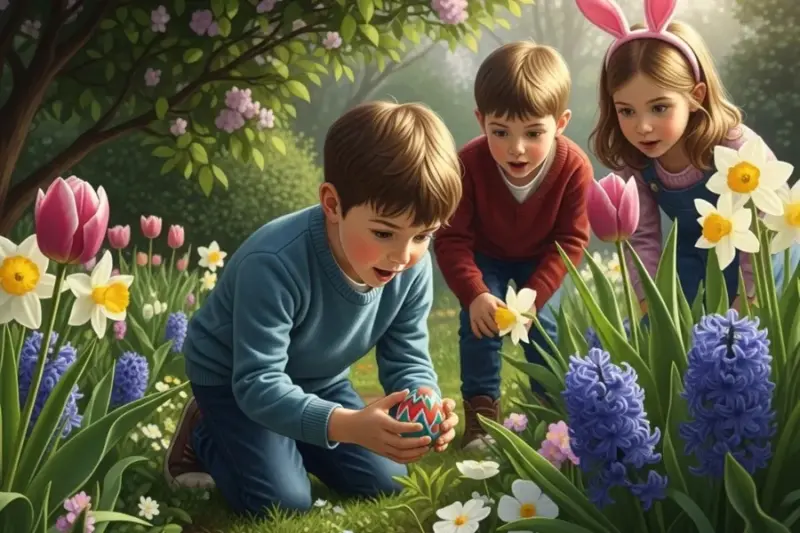

Easter is a time of colour, joy, and celebration around the world. Among the many traditions associated with it, the Easter egg stands out as one of the most loved symbols.
But what exactly is an Easter egg, and why are eggs linked to Easter? Let's explore the story, symbolism, and how this fun tradition has travelled to India.
What is Easter and how is it celebrated?
Easter is one of the most important festivals in the Christian calendar, celebrating the resurrection of Jesus Christ after his crucifixion. It usually falls in March or April, depending on the lunar calendar. Churches across the world hold special services, and families gather to celebrate with food, music, and fun activities.
This year Easter is celebrated on April 5.

The Easter egg: A symbol of life and renewal
An Easter egg is more than just a colourful treat. It represents new life, hope, and renewal-central themes of the Christian festival of Easter. Christians believe that Easter celebrates the resurrection of Jesus Christ, and eggs, which hold new life within them, naturally became a symbol of this rebirth.
Over time, decorating eggs with bright colours and patterns became a joyful way to celebrate the holiday. In some traditions, eggs are even hidden for children to find, turning the celebration into a playful treasure hunt.
How eggs became a part of easter
The connection between eggs and Easter goes back centuries. In medieval Europe, eggs were forbidden during Lent, the 40-day fasting period before Easter. People would boil or bake eggs to preserve them, and then celebrate with these "Lenten eggs" when the fast ended.
Later, decorating eggs evolved into an art form, with intricate patterns, bright dyes, and even gold leaf in some cultures. The egg became a reminder that life continues, and spring brings new beginnings.

The story behind the tradition
Legend has it that Mary Magdalene, one of Jesus' followers, brought a basket of eggs to share with others on the day of his resurrection. Miraculously, the eggs turned bright red, symbolising the blood of Christ and the joy of his resurrection.
The modern Easter egg tradition has roots in both Christian and pagan customs. In Christianity, eggs represent Jesus rising from the tomb, symbolising rebirth and renewal. In some European folklore, the Easter Bunny, which delivers eggs to children, comes from pagan myths of fertility and springtime, particularly linked to the goddess Eostre.
Over time, these traditions merged. Today, children receive chocolate eggs in colourful wrappers, and families hold Easter egg hunts,
Easter traditions around the world
Easter is celebrated in fascinating and diverse ways across the globe. In the United States and many European countries, Easter egg hunts and chocolate eggs are a major highlight for children. In Poland, Śmigus-Dyngus brings playful water-splashing on Easter Monday, while Spain and Italy are known for their elaborate Holy Week processions. In Australia, the Easter Bilby has become a popular alternative to the Easter Bunny, promoting awareness about native wildlife.

In Sweden, children dress up as little "Easter witches" and go door-to-door for treats. Parts of Germany mark the occasion with traditional Easter bonfires, symbolising the arrival of spring. In Greece, families dye eggs red and play a game of cracking them during festive meals. The Philippines is known for its dramatic passion plays and church ceremonies, while countries like Mexico celebrate with vibrant Holy Week events, including processions and community gatherings.
Easter eggs in India
Though Easter is not a major festival in most of India, it is celebrated by Christians in states like Kerala, Goa, and parts of Northeast India. Churches hold services, and children participate in Easter egg hunts. Supermarkets and bakeries in metropolitan cities like Mumbai, Bengaluru, and Delhi often sell chocolate Easter eggs and themed candies around the holiday.
In urban areas, the tradition has blended with local customs. Parents decorate eggs with children, organise small egg hunts in gardens, and even gift chocolate eggs to friends. While Easter eggs are not as widespread in India as in Europe or America, the colourful and fun tradition is steadily gaining popularity.

Fun facts about Easter eggs
- The largest chocolate egg in the world weighed over 7,000 kg.
- Fabergé eggs, crafted for Russian royalty, were ornate and often contained hidden treasures.
- In some cultures, eggs are gifted to friends and family to wish prosperity and happiness.