
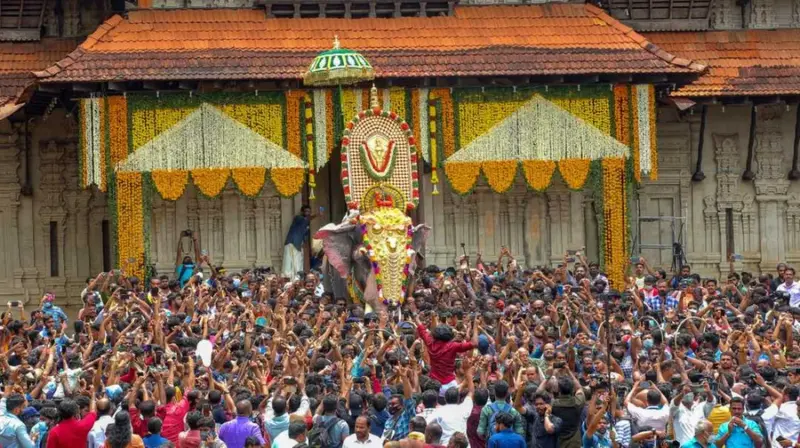

In Kerala, elephants are not just part of festivals, they are the emotion that defines them. Nowhere is this more evident than at Thrissur Pooram, one of India's most iconic temple festivals, where the presence of elephants transforms celebration into something deeply personal and spiritual.
For thousands who gather each year, the sight of caparisoned elephants is not merely visual grandeur, it represents faith, pride and a shared cultural identity passed down through generations.
Towering over ten feet and adorned with shimmering golden Nettipattam (ornaments), elephants take centre stage at Pooram. But their role goes far beyond aesthetics.
In Kerala's temple traditions, elephants are seen as sacred carriers of deities, bridging the human and divine worlds. This belief is what makes their presence emotionally powerful, they are not just animals in a procession, but symbols of devotion and spiritual continuity.
At Thrissur Pooram, a festival over 200 years old, this symbolism comes alive through rituals, music, and community participation.
Girish K.G., a temple committee president, said, "Thrissur Pooram is a celebration where people from all castes and religions participate equally. The youth play a big role - they come, engage, and truly enjoy the experience."
The emotional intensity of Pooram is amplified by traditional performances like chenda melam and panchavadyam, whose rhythmic beats create a shared experience among the crowd.
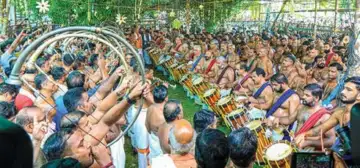
But it is the elephants standing majestically amid this energy that anchor the festival emotionally. For many attendees, their presence evokes nostalgia, pride and a sense of belonging.
This is why visuals of elephants at Pooram often go viral.
At the heart of this emotional connection lies the relationship between elephants and their caretakers, known as mahouts.
Each elephant is paired with a mahout who often spends decades with the animal, creating a bond that resembles family more than training.
A mahout explained, "We go into the forest and train elephants. The work is very hard, but it gives us happiness. Over time, they become like family."
With elephants living up to 70 years, these relationships span lifetimes, built on trust, routine, and shared experiences, from river baths to long walks through forest trails.
In recent years, Kerala's elephant culture has also become a major attraction for tourists. Visitors seek close interactions, feeding elephants, watching them bathe, or observing them in natural settings.
A tourist shared, "Seeing elephants up close was unforgettable. Feeding them and watching them bathe felt very special; it's something you don't experience every day."
However, this emotional and cultural connection also brings responsibility.
As awareness around animal welfare grows, questions are being raised about how to balance tradition, tourism, and ethical treatment.
This evolving conversation is shaping the future of festivals like Thrissur Pooram, pushing communities to rethink practices while preserving cultural essence.
With ANI inputs