
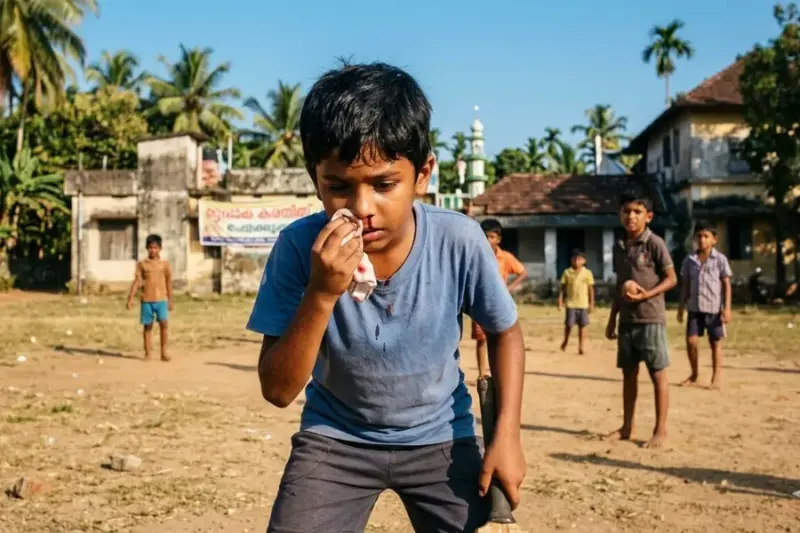

With temperatures soaring across India, the summer season has become increasingly harsh. The UV index is often dangerously high, and the India Meteorological Department has been issuing regular alerts advising people to stay cautious and avoid prolonged exposure to heat.
Amid all this, one common but often overlooked health issue begins to show up more frequently, nosebleeds. Many people experience them during summer, sometimes unexpectedly.
Medically referred to as Epistaxis, nosebleeds are usually harmless, but they can feel alarming, especially if they happen often. According to the World Health Organization and global ENT studies, nosebleeds are among the most common ear, nose, and throat emergencies worldwide.
While they can occur throughout the year, cases tend to rise during periods of intense heat and dryness. India's summer conditions, high temperatures, dehydration, dust exposure, and widespread use of air conditioning, create the perfect environment for nasal irritation. These factors can weaken the delicate blood vessels inside the nose, making them more likely to break.
Most cases settle on their own, but frequent or severe episodes may signal an underlying issue and should not be ignored.
What to do if a nosebleed starts
If a nosebleed occurs, basic first aid can help control it effectively:
- Sit upright and lean slightly forward
- Pinch the soft part of your nose for about 10 minutes
- Avoid lying down or tilting your head backwards
These steps help stop the bleeding and prevent blood from flowing into the throat.
What causes nosebleeds in summer?
Nosebleeds occur when tiny blood vessels inside the nasal lining rupture. These vessels are extremely delicate and can break easily under certain environmental or physical conditions.
- Dehydration and fluid loss
Dehydration is another major factor during Indian summers. High temperatures cause excessive sweating, which reduces overall body moisture, including in the nasal mucosa, the protective inner lining of the nose.
Clinical observations indicate that dehydration thickens mucus and increases irritation, making bleeding more likely.
When the nasal lining becomes dry, it turns fragile and can crack easily. As a result, it may start bleeding even with slight irritation.
- Dust, pollution and allergies
Indian summers often bring dust storms, higher pollution levels, and an increase in pollen and allergens.
These irritants inflame the nasal lining, leading to frequent sneezing and nose blowing, both of which can trigger bleeding.
Conditions like allergic rhinitis and infections are known to contribute to nosebleeds due to repeated irritation of nasal tissues.
- Increased use of air conditioning
While air conditioners offer relief from the heat, they can also dry out the nasal passages.
Air-conditioned environments reduce indoor humidity, dry out the nasal passages, and increase the likelihood of bleeding.
This is particularly relevant in urban India, where many people spend long hours in air-conditioned spaces during summer.
- Dry and hot air
One of the most common triggers is dry air. Medical evidence shows that when the air lacks moisture, the nasal lining dries out and develops cracks, making bleeding more likely.
During summer, especially in North India, heatwaves reduce humidity levels. Air conditioners indoors further remove moisture from the air, making the situation worse. Researches show a clear connection between lower humidity and an increase in nosebleeds, with even small drops in humidity leading to more cases.
- Heat-induced blood vessel changes
Heat directly affects blood vessels. Scientific explanations show that high temperatures can make these vessels more fragile, especially those close to the surface inside the nose.
In hot conditions, blood vessels expand and capillaries become weaker, which means even minor triggers can cause them to rupture.
- Frequent nose picking or irritation
Dryness often makes the inside of the nose feel itchy. Both children and adults may unknowingly irritate it. This can lead to nose picking, rubbing, and minor injuries. Such actions can easily damage already fragile blood vessels and trigger bleeding.
Who is more likely to experience nosebleeds?
- While anyone can experience nosebleeds, some groups are more prone to them:
- Children, due to their sensitive nasal lining
- Older adults, as blood vessels become weaker
- People with allergies or sinus infections
- People with high blood pressure
- Those taking blood-thinning medicines
Clinical data suggests that most people will experience at least one nosebleed at some point in their lives.
Most summer nosebleeds are mild and stop within a few minutes. However, medical attention is necessary if:
- Bleeding continues for more than 20 minutes
- Nosebleeds happen frequently
- There is heavy blood loss
- The bleeding follows an injury
- You feel dizzy or weak
Repeated or persistent episodes may indicate underlying conditions such as clotting disorders or hypertension.
Simple ways to prevent nosebleeds in summer
The good news is that simple precautions can go a long way in preventing nosebleeds.
- Protect yourself from dust and heat by covering your face outdoors
- Stay hydrated by drinking enough water throughout the day
- Avoid picking or irritating the nose and keep nails trimmed
- Manage allergies with proper medical advice
- Keep nasal passages moist using saline sprays or a small amount of petroleum jelly
- Limit excessive exposure to air conditioning and maintain indoor humidity