




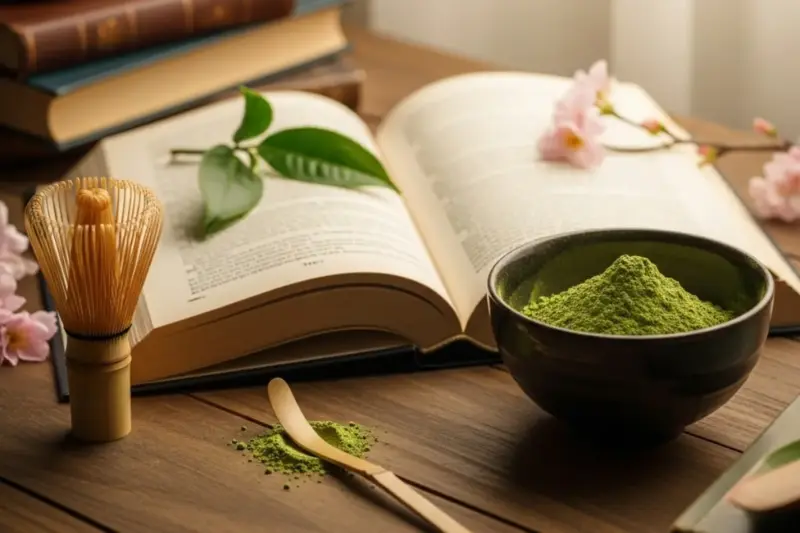

Word of the day: MATCHA Pronunciation: ˈmä-chə UK/ˈmætʃ.ə/ and US/ˈmɑːtʃ.ə/
Meaning:
'Matcha' is a finely ground powder made from specially grown and processed green tea leaves.
Unlike regular green tea, where leaves are steeped and discarded, matcha is whisked into water or milk and consumed entirely, giving it a richer flavour and higher concentration of nutrients.
Examples for daily usage:
- I like to start my morning with a warm cup of matcha instead of coffee.
- The café near my office serves a delicious matcha latte that I often order during my break.
Origin and history:
The word "matcha" comes from Japanese, derived from the words "matsu" (to rub, grind, or powder) and "cha" (tea), literally meaning "ground tea" or "powdered tea". It refers to a specific shade-grown, stone-ground green tea that originated in Japan, with roots in Zen Buddhist traditions.
Matcha's roots trace back to ancient China during the Tang Dynasty, when tea leaves were steamed and compressed into bricks. However, powdered tea culture truly flourished in Japan.
In the 12th century, the Buddhist monk Eisai brought powdered green tea seeds and preparation methods from China to Japan. It soon became central to Zen Buddhist practices because it helped monks stay alert during long meditation sessions.
Also read word of the day
Cultural significance and modern usage
By the 16th century, tea masters like Sen no Rikyū formalised the Japanese tea ceremony (chanoyu or sado). It became a structured ritual symbolising harmony, respect, purity, and tranquillity.
It was traditionally reserved for nobility, samurai, and monks, signifying high-level refinement and mindfulness.
The tea ceremony embodies the wabi-sabi philosophy-finding beauty in imperfection, simplicity, and natural, rustic, and unrefined objects.
Interesting facts:
- Matcha tea plants are shaded for about 3-4 weeks before harvest, which increases chlorophyll and gives the tea its bright green colour.
- When drinking matcha, you consume the entire leaf powder, meaning you get more nutrients than from regular brewed tea.
- Matcha was historically favoured by the samurai before battles because it provided calm focus and energy.
- Matcha comes in ceremonial grade (highest quality for tea ceremonies) and culinary grade (used in cooking and desserts).
- Traditional matcha is whisked using a bamboo whisk called a 'chasen'.
Examples from literature:
- It is not the full tea ceremony that she has performed on several occasions over the years, but as Tsukiko slowly prepares two bowls of green matcha, it is beautiful and calming nonetheless.- The Night Circus by Erin Morgenstern
- 'Sancha' was the old-time word for powdered tea, nowadays known as 'matcha' or 'hikicha', and used in the ceremonial preparation of tea.- The Nightless City by J. E. De Becker.
- In the U.S., black and green teas reign, but matcha-a powdered green tea-has recently become a popular lifestyle beverage and culinary ingredient.- The Book of Matcha: A Superhero Tea by Louise Cheadle and Nick Kilby
Synonyms
- Green tea
- Powdered tea
- Japanese tea
- Green tea powder
Read more word of the day here.