





Word of the Day: MUGGLE
Pronunciation:UK /ˈmʌɡ.əl/ US /ˈmʌɡ.əl/
Meaning
A muggle refers to a person who does not possess magical abilities and is not part of the magical world.
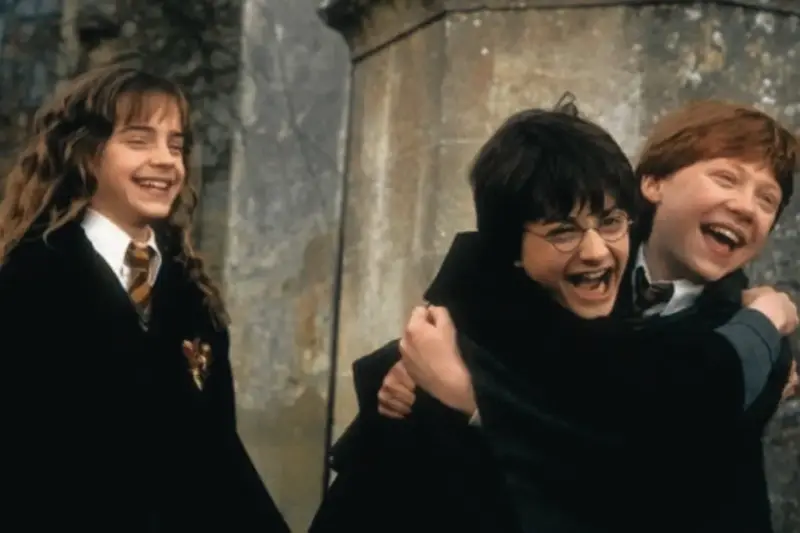
The word is most commonly associated with the 'Harry Potter' series, where it is used by witches and wizards to describe ordinary non-magical people.
Over time, the term has also entered popular culture and is sometimes used humorously to describe someone unfamiliar with a particular skill, hobby, or fandom.
Example for daily usage
- As a complete muggle when it comes to technology, he needed help setting up the device.
- In the Harry Potter universe, Hermione's parents are muggles.
Origin and history
The word muggle was popularised by British author JK Rowling through the 'Harry Potter' series, beginning with 'Harry Potter and the Philosopher's Stone' in 1997.
Although Rowling popularised the term globally, the word had appeared earlier in English slang during the 20th century with unrelated meanings. However, its modern cultural identity is almost entirely linked to the Harry Potter franchise.
As the books and films became worldwide phenomena, the word quickly entered mainstream vocabulary and was later added to major dictionaries due to its widespread usage.
Cultural significance and modern usage
Today, muggle is one of the most recognisable fictional terms to enter everyday language from modern literature.
Also Read:Word of the Day, May 09: 'Kafkaesque'
Fans of the Harry Potter universe use it playfully to refer to non-magical people, while broader internet culture sometimes uses it to describe someone unfamiliar with a specialised interest or activity.
The term's popularity reflects the huge cultural impact of the Harry Potter franchise, where fictional language became part of real-world conversation.
Interesting facts
The word was added to the Oxford English Dictionary after becoming widely used in popular culture.
In the Harry Potter universe, "Muggle-born" refers to a wizard or witch born to non-magical parents.
The term is now often used humorously outside fantasy contexts.
"Muggle" is considered one of the most successful fictional words to enter mainstream English.
Examples from literature and film
- "Muggles have no idea magic exists." - Harry Potter and the Prisoner of Azkaban
- "The Ministry works hard to keep the wizarding world hidden from Muggles." - Fantastic Beasts and Where to Find Them
Synonyms
- Non-magical person
- Ordinary person
- Outsider
- Layperson
- Amateur (informal modern usage)
Antonyms
- Wizard
- Witch
- Sorcerer
- Magical person
- Spellcaster
Read more:Word of the Day