




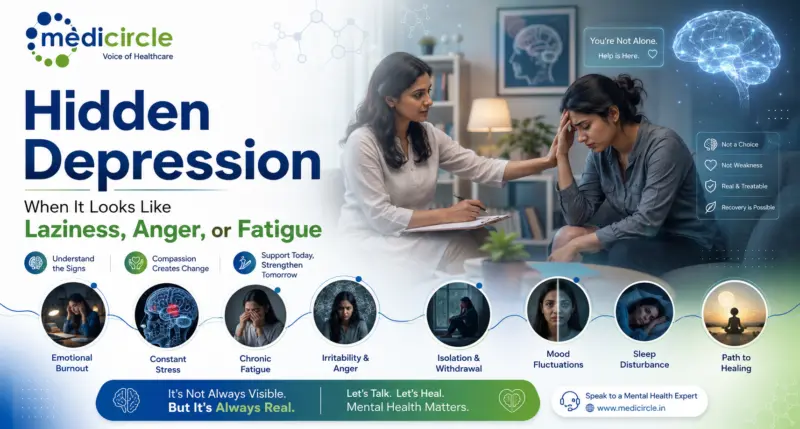

When most individuals research clinical depression, they picture deep sadness, frequent crying, or someone retreating entirely from the world.
While those are classic signs of clinical depression, the reality of mental health is rarely that straightforward. In daily life, this complex condition frequently wears a deceptive disguise. It can look like a teenager refusing to get out of bed, a colleague snapping over a minor misunderstanding, or a family member who claims they are simply too tired to help around the house.
Because these behaviors mimic common human struggles like burnout, short tempers, or simple procrastination, they are easily misunderstood. Families often mistake major depression symptoms for character flaws or behavioral issues, which leads to conflict instead of support. To truly help those we care about, we have to look past the surface and understand how deeply severe depression alters both brain chemistry and physical energy.
Understanding Executive Dysfunction
It is incredibly easy to look at someone struggling to finish basic chores, answer emails, or clean their room and assume they just lack discipline. But when clinical depression is the root cause, what looks like a choice is actually a state of cognitive paralysis known as executive dysfunction.
This condition impacts the prefrontal cortex, which is the command center of the brain responsible for organization, focus, and taking initiative.
Unlike standard laziness, where a person skips work to do something they actually enjoy, a person dealing with atypical depression is often trapped in their own head. They are acutely aware of what they need to do and the consequences of falling behind. Yet, the mental bridge between wanting to start a task and actually moving to do it is broken. This creates a painful cycle of inactivity, followed by intense self-blame, which leaves the individual even less equipped to handle the next challenge.
Biology of Depressive Fatigue
We live in a fast-paced world where everyone feels drained from time to time. However, the exhaustion caused by clinical depression symptoms goes far deeper than the fatigue brought on by a late night or a stressful week at work. It is a heavy, physical weight that sleep, caffeine, or a weekend off cannot fix.
This systemic low energy is driven by direct biological shifts:
- Neurotransmitter Imbalances: When essential brain chemicals like serotonin, dopamine, and norepinephrine are depleted, the brain loses its natural fuel for motivation and stamina.
- Fractured Sleep:Severe depression wrecks natural sleep patterns, causing people to wake up continuously throughout the night or sleep for twelve hours straight without ever reaching the deep, restorative stages of rest.
- Inflammatory Responses: Modern clinical research shows that prolonged mental distress triggers a low-grade inflammatory response throughout the body, leaving individuals feeling physically sick and entirely drained of vitality.
Anger and Irritability Manifestations
Sadness can be an incredibly vulnerable emotion to display, leading many individuals to inadvertently convert their internal pain into irritability or outward anger. This reaction is especially common among young adults and men, who may feel intense societal pressure to hide feelings of weakness or despair.
When someone is battling a depressive episode, their mental reserves are constantly maxed out just trying to survive the day. Because their internal coping threshold is so low, they have zero bandwidth left to handle everyday frustrations. A sudden burst of anger over a misplaced set of keys or a minor disruption is not an overreaction to the event itself. It is a clear sign that an already overwhelmed system has reached its absolute limit.
Evaluating Clinical Differences
Because everyone experiences bad days or lazy afternoons, telling the difference between a passing phase and a clinical issue requires looking at specific patterns. Healthcare professionals evaluate changes in behavior by focusing on duration, depth, and overall impact.
Factor | Everyday Laziness or Bad Moods | Clinical Depressive Episode |
Duration | Passes within a few hours or days, especially if external circumstances improve. | Lasts for at least two weeks straight, remaining constant regardless of good news. |
Scope | Targets specific chores or responsibilities; the person still enjoys hobbies or friends. | Bleeds into every area of life, making self-care, work, and relationships feel impossible. |
Physical Toll | No unexplainable body aches, dramatic weight changes, or chronic insomnia. | Frequently includes mysterious physical pain, altered appetite, and constant restlessness. |
Self-Evaluation | Might cause a moment of frustration, but does not alter a person's core self-worth. | Dominated by severe guilt, a sense of failure, and persistent feelings of worthlessness. |
Indian Cultural Roadblocks
In many traditional households across India, mental health terms are still met with discomfort or outright denial. Because of the lingering social stigma surrounding psychiatric care, many individuals find it easier to express mental pain through physical complaints like chronic headaches, stomach issues, or general body weakness.
Additionally, strong cultural values centered around constant productivity and family responsibility can cloud a family's perspective. When someone falls behind on their duties, the immediate response is often to demand more willpower or criticize their perceived lack of effort. This pressure forces the individual to mask their struggles even deeper, driving them into isolation or triggering defensive arguments that delay actual recovery.
Paths to Clinical Recovery
True healing from clinical depression requires moving away from the mindset of pushing through the pain and embracing clinical, evidence-based solutions. Because this is a medical condition involving physical changes in the body and brain, professional intervention is key.
Professional Medical EvaluationsA consultation with a psychiatrist or a clinical psychologist provides a safe space to find clarity. These professionals can rule out underlying medical issues that mimic depression, such as thyroid imbalances or severe vitamin deficiencies, and build a clear path forward.
Structured Psychological TherapyCognitive Behavioral Therapy is incredibly effective for addressing the behavioral symptoms of depression. It provides practical strategies to help individuals break through task paralysis, recognize negative thought loops, and manage sudden bursts of frustration or anger safely.
Medical Medication ManagementFor moderate to severe major depression, a physician may prescribe antidepressant medications to balance vital brain chemistry. When used under consistent medical supervision, these treatments help lift the heavy fog of fatigue, giving patients the physical and mental space needed to engage fully in their recovery.
Frequently Asked Questions
Can simple vitamin deficiencies feel like depression?
Yes, a severe lack of Vitamin D, Vitamin B12, or iron can completely drain your physical energy, cause severe mood shifts, and cloud your thinking. Doctors routinely run blood tests during mental health checkups to identify and fix these nutritional gaps.
What is the best way to talk to a loved one who keeps snapping at everyone?
Avoid confronting them when tempers are flaring. Instead, pick a quiet, low-stress moment to express your concern gently. Focus on the changes you have noticed, like their constant fatigue or withdrawal, and offer to help them connect with a healthcare professional without any judgment.
Is depressive fatigue a sign that someone is just giving up?
Absolutely not. The exhaustion linked to depression is a biological symptom, not a conscious choice or a lack of mental toughness. Expecting someone to snap out of depressive fatigue using willpower alone is like asking someone to think away a physical injury.
Next Steps Forward
Recognizing that clinical depression symptoms can look like irritability, exhaustion, or task paralysis changes everything. It allows us to view struggling family members or friends with empathy rather than frustration, shifting the conversation from blame to genuine support.
No one has to navigate these complex emotional and physical challenges alone. If you or someone you love is experiencing persistent changes in behavior, unexplained low energy, or regular outbursts of frustration, seeking professional guidance can open the door to true healing. For reliable health guidance, expert medical insights, and resources tailored to the needs of Indian families, trusted medical platforms like Medicircle can help guide your journey toward long-term well-being and informed healthcare decisions.