
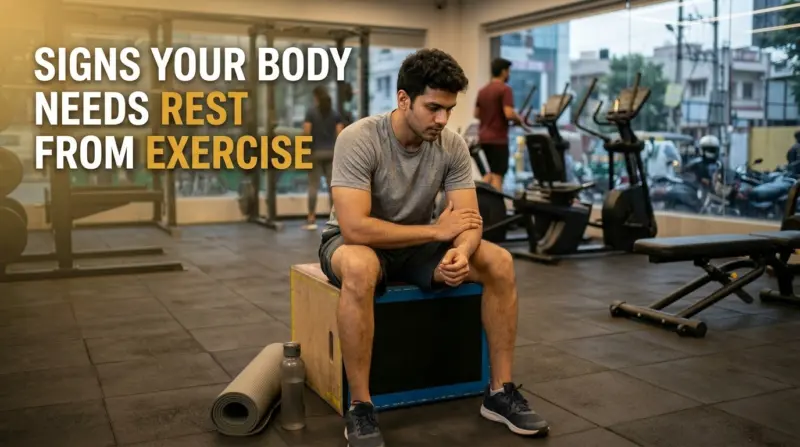

Pushing your limits at the gym often feels productive. The sweat, the soreness, the exhaustion all seem like proof that progress is happening.
But there comes a point where your body stops adapting and starts resisting. Rest from exercise is not about slowing down. It is about recognizing when effort turns into strain and when recovery becomes more important than repetition.
Many people confuse consistency with intensity. They continue working out despite warning signals, assuming that more effort will fix everything. In reality, ignoring those signals can delay progress instead of improving it.
What Your Body Is Trying To Tell You
Exercise creates stress on the body. That stress is necessary for growth, but only when it is balanced with recovery. Without proper rest, the body struggles to repair itself, and small issues begin to build over time.
The challenge is that these signals are not always obvious. They appear gradually and are often dismissed as normal fatigue. This is where understanding overtraining signs and symptoms becomes important. These are not dramatic breakdowns. They are subtle shifts in how your body responds to effort.
Why Rest Is Not A Setback
Rest is often misunderstood, especially by those who are just starting their fitness journey. Many believe that skipping a workout slows progress. In reality, rest supports performance.
During recovery, the body repairs muscle fibers, restores energy levels, and strengthens itself. This is why muscle recovery after exercise plays a critical role in long-term fitness. Without it, the body remains in a constant state of strain.
A well-planned rest day workout or even complete rest can help maintain balance. It allows your system to reset without losing momentum.
Clear Signs Your Body Needs To Slow Down
Your body does not fail suddenly. It signals discomfort long before that point. Paying attention to these signs helps you adjust before real damage occurs.
Some of the most common indicators include:
- Persistent feeling tired after working out, even after adequate sleep
- Increased post workout muscle soreness that does not fade within a few days
- Episodes of post workout dizziness or lightheadedness
- Reduced performance despite consistent effort
- Irritability or lack of motivation toward workouts
- Trouble sleeping or feeling restless at night
These are not isolated issues. Together, they reflect how your body is responding to stress.
The Hidden Impact Of Overtraining
Overtraining does not just affect muscles. It impacts the entire system. When recovery is ignored, the body begins to experience over exercise side effects that go beyond physical fatigue.
These may include:
- Hormonal imbalance
- Weakened immunity
- Increased risk of injuries
- Slower muscle repair
- Mental burnout
Understanding overtraining signs and symptoms in this context helps shift the focus from pushing harder to training smarter.
How To Approach Recovery The Right Way
Recovery is not just about stopping workouts. It is about creating a rhythm where effort and rest support each other.
A balanced approach includes:
- Planning structured rest days instead of skipping them randomly
- Including light movement such as stretching or walking during a rest day workout
- Staying hydrated and maintaining proper nutrition
- Prioritizing sleep as part of your routine
- Listening to your body instead of following rigid schedules
These small adjustments support better muscle recovery after exercise and reduce long-term strain.
Case Studies: When Ignoring Rest Changes Everything
Case Study 1: Pushing Through FatigueRahul had recently started working out regularly and was determined to stay consistent. He followed online routines and rarely missed a day. Over time, he began experiencing constant feeling tired after working out, but he assumed it was part of progress.
Weeks later, his performance dropped. Exercises that once felt manageable became difficult. He also noticed prolonged post workout muscle soreness that did not go away. What felt like discipline slowly turned into exhaustion, showing early overtraining signs and symptoms.
Case Study 2: Ignoring Subtle Physical SignalsAnanya experienced occasional post workout dizziness after intense sessions. Since it did not happen every day, she ignored it. Along with that, she noticed disrupted sleep and low energy levels.
The symptoms were not extreme, but they were consistent. Over time, her workouts felt heavier, and recovery slowed down. These small signs reflected deeper over exercise side effects that had been building gradually.
Karan initially followed a strict routine with no planned rest. After experiencing fatigue and reduced progress, he adjusted his schedule. He introduced lighter sessions and focused on muscle recovery after exercise.
Instead of pushing daily, he structured his week to include recovery periods. Gradually, his strength improved, and workouts felt more sustainable. The shift was not immediate, but it changed how his body responded to training.
Common Mistakes To Avoid
Many people unknowingly make choices that delay recovery.
- Treating rest as optional instead of necessary
- Following intense routines without considering personal limits
- Ignoring early signs like fatigue or soreness
- Skipping proper nutrition and hydration
- Not adapting workouts based on body response
Avoiding these mistakes helps maintain consistency without strain.
FAQs
1. What are the main signs your body needs rest from exercise?Common signs include constant fatigue, poor performance, prolonged soreness, and lack of motivation. These reflect early overtraining signs and symptoms.
2. Is post workout muscle soreness always normal?Mild post workout muscle soreness is normal, but if it lasts several days or worsens, it may indicate inadequate recovery.
3. Why do I feel tired after working out every day?Persistent feeling tired after working out can signal overtraining or lack of proper rest and nutrition.
4. What causes post workout dizziness?Post workout dizziness can occur due to dehydration, low blood sugar, or excessive strain during workouts.
5. What are common over exercise side effects?Over exercise side effects include fatigue, injury risk, hormonal imbalance, and slower recovery.
6. How important is muscle recovery after exercise?Muscle recovery after exercise is essential for strength building and preventing long-term strain.
7. What is a good rest day workout?A rest day workout can include light activities like walking, stretching, or yoga to support recovery.
8. How can beginners avoid overtraining?Following tips for beginners at the gym such as gradual progression and proper rest helps prevent overtraining.
9. How often should I take rest days?It depends on your routine, but most people benefit from at least one or two rest days per week.
10. Can rest improve fitness performance?Yes, proper recovery improves strength, endurance, and overall performance when combined with consistent training.
Conclusion
Progress in fitness does not come from constant effort alone. It comes from knowing when to push and when to pause. Recognizing the signals your body gives you helps maintain balance and avoid long-term setbacks. With the right mix of training and recovery, consistency becomes sustainable and results become more meaningful.