




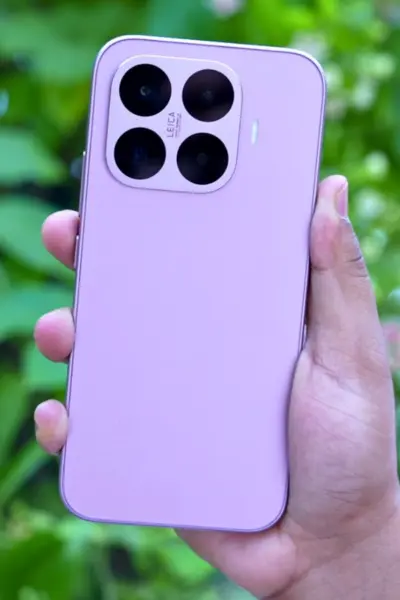

The Xiaomi 17T comes to us at a time when entry-level flagship smartphones seem to be getting more expensive with every launch. Features that were once available in phones around the ₹60,000 mark are now increasingly reserved for devices costing ₹80,000, ₹90,000, or even well over ₹1 lakh.
As a result, finding a phone that genuinely feels premium without venturing into ultra-flagship territory has become surprisingly difficult.
 © Hook.Online
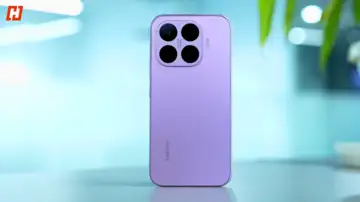
That's where the Xiaomi 17T looks particularly interesting. For a starting price of ₹59,999, it promises many of the things buyers typically associate with far more expensive devices. There's a Leica-tuned camera system headlined by a dedicated 50MP 5X periscope telephoto lens, a premium design, an excellent display, a large 6,500mAh battery, and enough performance for just about anything you'd want to throw at it.
After spending a couple of weeks using the Xiaomi 17T as my primary device, I came away feeling that Xiaomi has focused on delivering a camera-focused flagship experience rather than simply chasing benchmark numbers and ticking off checkboxes on a spec sheet. The question is whether that approach is enough to make the 17T a compelling option at its pricepoint
Xiaomi 17T Pricing: Aggressively priced and hard to ignore
I think Xiaomi has got the pricing of the 17T absolutely right. In a market where smartphone prices seem to be climbing with every new launch, the Xiaomi 17T feels surprisingly sensible for what it offers.
The variant I tested, with 12GB RAM and 256GB storage, is priced at ₹59,999. With the current launch offers, you can pick it up for an effective price of ₹54,999. If you need more storage, the 12GB + 512GB version is priced at ₹64,999, but that too drops to ₹59,999 with the introductory offers.
 © Hook.Online
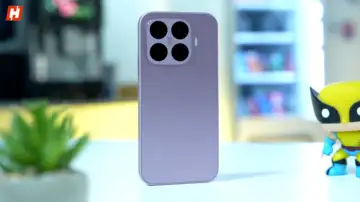
Considering everything that comes with the package, including the Leica-tuned cameras, that excellent 5X telephoto lens, flagship-grade performance, and a massive battery, I genuinely think Xiaomi has priced the 17T very competitively. At its effective starting price, it becomes an even easier phone to recommend.
Xiaomi 17T Design: Premium without trying too hard
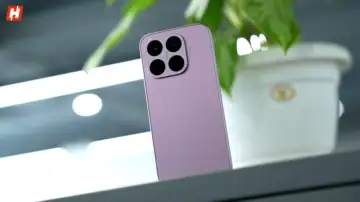
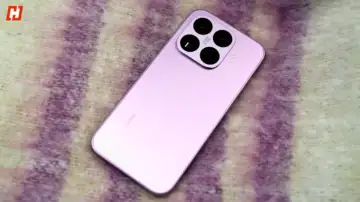
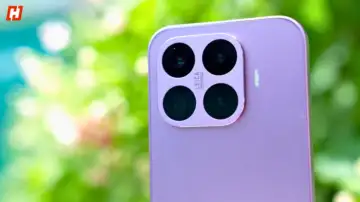
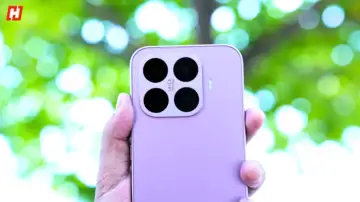
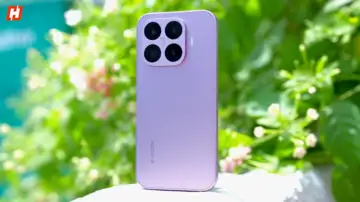
The Xiaomi 17T won me over almost immediately. At a time when brands seem obsessed with oversized circular camera modules, Xiaomi has gone in the opposite direction with a cleaner, more restrained, squarish camera island. It looks elegant, feels modern, and gives the phone a premium character without screaming for attention.
 © Hook.Online
The violet colourway I tested looks particularly striking, while the overall design remains minimal and refined. On the back, Xiaomi uses a matte-finished polycarbonate panel that does a fantastic job of resisting fingerprints and smudges. Even though some competitors offer glass backs at this price point, the 17T never feels like a compromise. Combined with the flat metal-like frame and gently rounded corners, it is a phone that feels comfortable to hold for long periods.
Measuring 8.2mm thick and weighing 200g, the 17T strikes a nice balance between heft and usability. It feels reassuringly solid in the hand, yet never becomes tiring during extended gaming sessions, long photography walks, or a full day of use.
Xiaomi has also paid attention to durability. The phone comes with an IP68 rating for dust and water resistance, while Gorilla Glass 7i protects the display from everyday scratches and the occasional accidental drop. The metallic camera housing adds a subtle touch of flair without making the design feel overly flashy.
 © Hook.Online
Connectivity is comprehensive as well. You get NFC, an IR blaster, eSIM support, Bluetooth 6.0, Wi-Fi 6E, and USB 2.0. Xiaomi has also included an optical in-display fingerprint scanner, which remained fast, accurate, and dependable throughout my time with the device.
Overall, I think Xiaomi has done an excellent job here. The 17T looks premium, feels well-built, and gets the fundamentals absolutely right.
Xiaomi 17T Display: A fantastic panel for work and play
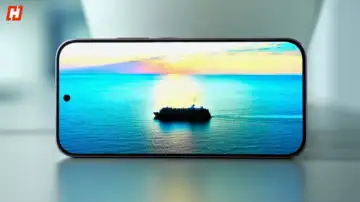
The Xiaomi 17T packs a 6.59-inch 1.5K LTPS AMOLED display, and after spending time with it, I can confidently say it is one of the phone's biggest strengths. With a pixel density of around 460ppi, everything looks incredibly sharp. Text is crisp, photos are packed with detail, and even everyday tasks like scrolling through social media feel noticeably premium.
The 120Hz refresh rate keeps the entire experience feeling fluid and responsive. Whether I was gaming, editing photos, watching videos, or simply browsing the web, animations remained smooth and touch response felt quick and precise.
 © Hook.Online
What stood out most to me, however, was the colour reproduction. Xiaomi's 12-bit panel can display an enormous range of colours, over 68 billion and the difference is easy to spot when viewing high-quality photos or HDR content. Gradients appear smoother, colours look richer without feeling exaggerated, and images generally have a more natural appearance. As someone who spends a lot of time reviewing camera samples, I genuinely appreciated the extra colour depth.
The display also supports both Dolby Vision and HDR10+, making it a great screen for streaming content. Movies and shows look vibrant, contrast is excellent, and highlights really pop. I thoroughly enjoyed the latest season of From on Prime Videos. Peak HDR brightness goes all the way up to 3,500 nits. Even outdoors, the display gets plenty bright, as I had no trouble using the phone outdoors, even under harsh afternoon sunlight.
Xiaomi has also included several TÜV Rheinland certifications covering low blue light, flicker-free viewing, circadian-friendly modes, and eye-care features. They may not be headline-grabbing additions, but they make a difference during long hours of use.
 © Hook.Online
The stereo speakers are perfectly good, but make no mistake, the display is the real star here. For its price, this is easily one of the best screens I've used all year. My only issue is that display is an LTPS one. It would have been nice to see an LTPO panel at this price point.
Xiaomi 17T Cameras: That 5X telephoto changes everything
If I had to pick one reason to buy the Xiaomi 17T over many of its rivals, it would be the camera system. More specifically, it would be the 50MP 5X periscope telephoto camera. In a segment where brands often rely on digital cropping and AI tricks to sell zoom photography, Xiaomi has gone with proper hardware, and the difference is immediately obvious.
 © Hook.Online
The setup consists of a 50MP main camera, a 12MP ultrawide camera, and a 50MP 5X periscope telephoto lens, all developed in partnership with Leica. The main camera is excellent in its own right, but the telephoto lens is what gives the 17T its unique identity.
With a 115mm equivalent focal length and optical image stabilisation, the 5X camera delivers consistently impressive results. Xiaomi also uses In-Sensor Zoom technology to offer what it calls 10X optical-grade lossless zoom, while AI Ultra Zoom can extend the range all the way to 120X. Realistically, I found the sweet spot to be between 5X and 10X, where image quality remains genuinely impressive.
In daylight, the camera system performs beautifully. Photos are packed with detail, dynamic range is excellent, and colours look natural without appearing dull. Leica's influence is easy to spot. Rather than producing heavily processed, social-media-ready images, the 17T takes a more restrained approach. Skin tones look realistic, highlights are controlled well, and the overall output feels closer to what a dedicated camera might produce.
 © Hook.Online
 © Hook.Online
The telephoto camera quickly became my favourite lens on the phone. At 5X, images are remarkably sharp with excellent texture and plenty of detail. Even at 10X, I was surprised by how much information the camera managed to retain. Whether I was photographing distant buildings, capturing street scenes, or isolating subjects from a busy background, the results were consistently excellent.
Portrait photography is another area where the 17T shines. Xiaomi offers six focal lengths ranging from 23mm to 115mm, giving you plenty of creative flexibility. Combined with Leica's portrait tuning, the phone produces portraits with strong subject separation, realistic skin tones, and a natural-looking depth effect. The images have a cinematic quality without looking overly processed.
 © Hook.Online
 © Hook.Online
While the 12MP ultrawide camera may not grab headlines, it performs better than the specifications suggest. Detail levels understandably fall behind the main camera, but colour consistency remains good and the overall image quality is more than respectable.
One feature I ended up enjoying more than expected was telemacro photography. Thanks to the periscope lens, the camera can focus as close as 30cm, allowing for close-up shots with excellent background separation. The results look far more natural than the token macro cameras that many smartphones still include.
Behind the scenes, Xiaomi's AISP imaging engine handles image processing through technologies such as FusionLM, ToneLM, PortraitLM, and ColorLM. Thankfully, the processing remains relatively restrained. Images are enhanced where necessary, but they rarely cross into artificial-looking territory.
I also found Stage Mode genuinely useful. Designed for concerts and live events, it automatically activates through scene recognition and is optimised for 5X and 10X zoom shooting. In situations where stage lighting can often confuse smartphone cameras, it helped deliver noticeably cleaner images.
Video performance is solid as well. The 17T can record at up to 4K 60fps with HDR10+ support, while Leica Live Moment features add a more cinematic touch to footage. Selfies are handled by a 32MP front-facing camera that delivers dependable results for both photos and video calls. However, for videos, it is only limited to 4K 30fps.
 © Hook.Online
Low-light photography follows the same philosophy as the rest of the system. Instead of aggressively brightening every scene, Xiaomi focuses on preserving atmosphere, controlling noise, and maintaining realistic colours. The results may not look as dramatic as some competitors, but I often preferred them because they felt more authentic. That approach, combined with the outstanding 5X telephoto camera, makes the Xiaomi 17T one of the most enjoyable camera phones I've used in this price segment.
Xiaomi 17T Performance: Plenty of power where it matters
Powering the Xiaomi 17T is MediaTek's Dimensity 8500-Ultra chipset, built on a 4nm process and paired with 12GB of LPDDR5X RAM and fast UFS 4.1 storage. On paper, the specifications are exactly what I would expect from a phone in this category, and in practice, the experience is every bit as smooth as those numbers suggest.
 © Hook.Online
Throughout my testing, the 17T felt consistently fast and responsive. Apps launched quickly, multitasking was effortless, and I never encountered any noticeable stutters or slowdowns. Whether I was editing photos, recording videos, jumping between multiple apps, or spending far too much time scrolling through social media, the phone handled everything comfortably.
Benchmark results were solid too, with the device scoring just over 2.02 million points in AnTuTu.
While there are certainly phones with more powerful chipsets and higher benchmark scores, those differences rarely translate into a dramatically better day-to-day experience.
But, the Xiaomi 17T never felt lacking in performance. Now, are there devices that score more at this price point? Sure. But then, Xiaomi is not positioning the 17T as a hardcore performance phone. It is a premium camera phone that keeps up with its more powerful counterparts in day to day performance.
 © Hook.Online
A big part of that comes down to thermal management. Xiaomi has equipped the phone with its 3D IceLoop cooling system, which does a commendable job of keeping temperatures under control. Even during extended gaming sessions, prolonged camera use, or lengthy 4K video recording, the phone remained surprisingly composed.
Gaming performance is good enough. BGMI currently supports gameplay at up to 90fps. Given the capability of the chipset, I wouldn't be surprised to see 120fps support arrive through a future game or software update.
The reality is that benchmark charts only tell part of the story. What matters more is how a phone feels after weeks of use, and the Xiaomi 17T consistently feels quick, fluid, and dependable. For most users, there is more than enough performance here to keep the experience feeling fast for years to come.
Xiaomi 17T Software: Polished, feature-rich, and surprisingly refined
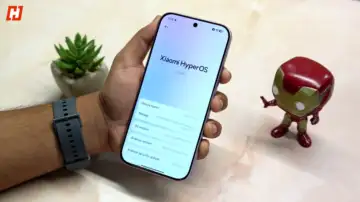
The Xiaomi 17T runs HyperOS 3 out of the box, and after spending time with it, I can confidently say Xiaomi's software has matured significantly. The interface feels cleaner, more refined, and better organised than previous generations, while still offering plenty of customisation options.
One feature I particularly liked was HyperIsland, which makes handling notifications and background activities feel more intuitive. HyperConnect is equally useful, especially if you're already using Xiaomi products, as it creates a more seamless experience across phones, tablets, wearables, and other connected devices.
 © Hook.Online
AI is another major focus. Xiaomi bundles its HyperAI suite alongside Google's Gemini, bringing a range of productivity and smart-assistance tools to the phone. The camera system also benefits from features such as AI Scene Recognition, AI Ultra Zoom, and Xiaomi's AISP imaging engine, all of which work behind the scenes to improve image quality.
In daily use, HyperOS 3 felt smooth, responsive, and stable. There are plenty of features to explore, but the software never feels cluttered or overwhelming.
Xiaomi is also promising four years of Android OS updates and six years of security patches. While some rivals offer longer support, I think this remains a solid commitment that should keep the 17T relevant for years to come.
Xiaomi 17T Battery: Reliable endurance with fast charging
Battery life has been one of the Xiaomi 17T's biggest strengths during my time with it. The phone packs a large 6,500mAh Silicon Carbon battery. Now, it isn't the biggest battery by capacity out in the market. A lot of phones are going 7,000mAh and above.
 © Hook.Online
In day-to-day use though, I rarely found myself worrying about battery life. Even on heavier days involving photography, navigation, social media, and gaming, the 17T comfortably lasted from morning to night. On lighter days, I could often stretch it well into a second day before reaching for the charger. Screen-on times of six to seven hours were consistently achievable.
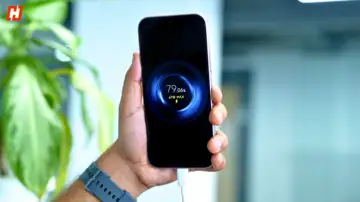
When it does need charging, Xiaomi's 67W HyperCharge charger gets the battery from empty to full in well under an hour, which is perfectly fine. The phone also supports 22.5W reverse wired charging, which can be handy for topping up accessories or another phone.
Xiaomi 17T Verdict: One of the best camera phones in its class
The Xiaomi 17T is one of the most focused smartphones I've used this year. Rather than trying to be everything to everyone, it concentrates on delivering a premium photography experience, and for the most part, it succeeds brilliantly.
 © Hook.Online
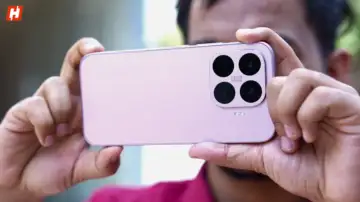
The star of the show is the 50MP 5X periscope telephoto camera. It genuinely changes how you shoot, offering real optical reach instead of relying on aggressive digital cropping. Combined with Leica's natural image processing, the results feel authentic, detailed, and packed with character. The excellent display makes reviewing and editing photos a pleasure, while the 6,500mAh battery comfortably lasts a full day of heavy use.
There are a few compromises. BGMI is currently limited to 90fps, wireless charging would have been a nice touch, that 12MP ultrawide isn't exactly class leading, and Xiaomi's software support isn't the longest in the segment.
Still, if photography is your priority, especially mobile photography, I think the Xiaomi 17T is a pretty solid option.