





As Nikhil Kamath advocated for a gold-backed stablecoin that could help monetise the vast amount of idle gold lying in Indian households and generate returns for investors, Ashish Singhal, Co-founder of CoinSwitch, responded that such products already exist globally.
However, he pointed out that the real challenge lies in "India's gold itself" - referring to issues around regulation, trust, storage, verification, and bringing household gold into the formal financial system.
What are gold-based stablecoins?
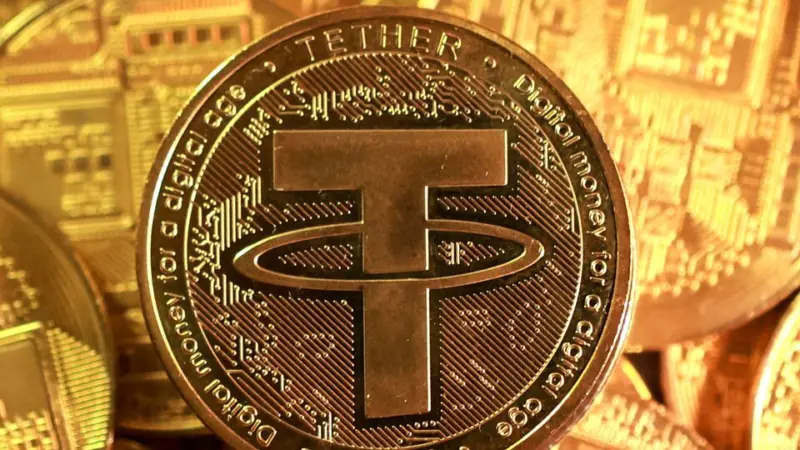
Gold-backed stablecoins are functionally similar to fiat-collateralized stablecoins like Tether (USDT) or USDC (USDC).
For every token minted into circulation, the issuing company is supposed to keep an equivalent amount of real-world assets (in this case gold) aside to guarantee its value, as per Kraken.
Nikhil Kamath and Ashis Singhal's take on these assets:
Batting for these assets, Kamath recently posted if there were a gold-backed stablecoin and one could monetise the unutilised gold sitting in Indian households to return a yield…
Singhal in response mentioned that gold-backed stablecoins like PAXG and XAUT already exist and represent a multi-billion dollar market. There are also platforms that offer returns on digital gold. But, it comes with a challenge.
What are the challenges in investing in gold-backed stablecoins?
The challenge is not the idea, but it's India's gold itself, says Singhal.
Most of India's ~25,000 tonnes of gold is not in standardized investment form. It is jewellery, family heirlooms, temple gold, and small household holdings. This makes it hard to pool, verify, and store in a uniform way.
Products like PAXG require pure, investment-grade gold stored in regulated vaults. That's very different from the varied and fragmented gold people actually hold in India.
There's also another issue: gold doesn't naturally generate income. So any "returns" on gold usually come from lending it out or financial structuring, which adds risk through intermediaries.
So while the idea is directionally right, making it work at India's scale is much more complex than it appears.
Andrew Bailey flags global regulatory clash over stablecoins amid Trump push
Stablecoins are typically pegged at a fixed rate to the U.S. dollar or another major currency, and aim to be an alternative to the existing banking system for making domestic or international payments. The current United States administration under President Donald Trump has been keen to promote stablecoins, which often use U.S. Treasury bills as a backing asset.
But Bank of England Governor Andrew Bailey, who chairs the Financial Stability Board, an international body that aims to coordinate regulation, has long been sceptical about cryptocurrencies and wary of the potential risks from stablecoins.
"If we want stablecoins to be part of the architecture of payments globally ... they're only going to work if we have international standards. Frankly, that, I think, is going to be a coming wrestle with the (U.S.) administration," Bailey said at a conference on financial imbalances hosted by the BoE.