
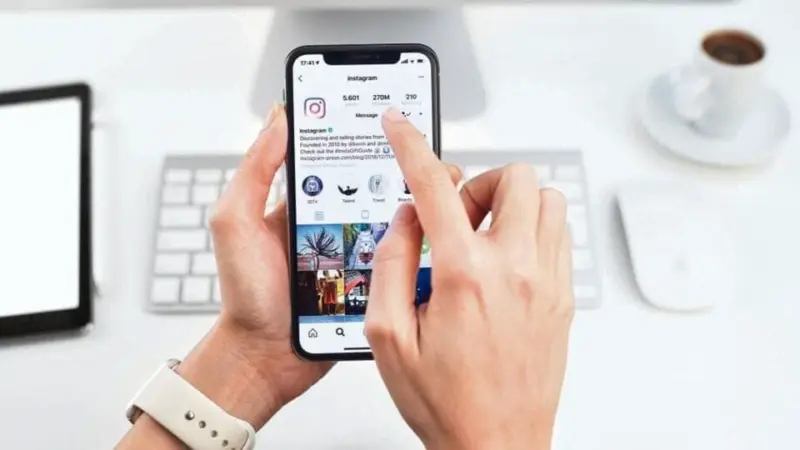

Mumbai: Alarmed by the discovery of fake online followers of big social media influencers, lifestyle companies are rethinking their brand strategies and seeking out social media personalities with smaller but "genuine" followers.
This rethink has been prompted by a poor return on investment (RoI) caused by tie-ups with seemingly popular creators, many with a large number of fake followers, or bots, hampering companies' efforts to reach the target audience.
"Creators with bots are a big concern for us, as bots have a negative impact on RoI. It can increase the cost of discovery to a new user by up to six folds," Jatan Bawa, co-founder of oral care brand Perfora, told Mint. The company has invested ₹15-30 lakh a month in influencer marketing in the past nine months.
"The number of followers they have is an important metric for deciding the commercial value of the arrangement...We should consider signing up with an influencer based on the level of engagement they have with their followers to test the reach of the brand," Bawa added.
The realization comes at a time when influencer marketing has become an integral strategy to promote products, drive sales, and create an impact. According to an EY report titled 'The State of Influencers Marketing in India,' and released in April, the creator economy is poised to grow by 25% in 2024, becoming a ₹2,344 crore industry, and swell further to ₹3,375 crore by 2026.
The beauty industry is particularly concerned about influencers with fake followers. "The beauty industry is driven by more diverse products, and the overall growth is faster in certain segments such as clean beauty…This leads to the deployment of more marketing funds towards influencers and campaigns being much more in number, thereby increasing the overall risk too," said Naina Ruhail, co-founder of clean beauty brand Vanity Wagon.
"As a team, we focus a lot on research and planning before deciding our campaigns and influencers to reduce our risk of loss in RoI. That being said, there is no foolproof here, but a company can mitigate the risk by ensuring they stay ahead of the curve in terms of understanding the market of demand and supply," Ruhail said.
Clean beauty brands are those that manufacture non-toxic cosmetic and skin care products free of harmful chemicals. The six-year-old firm spends 10-15% of its annual marketing budget on influencer marketing.
Shankar Prasad, founder of Pureplay Skin Sciences (India) Pvt. Ltd noted that bots are one of the top reasons leading to "inefficient use of marketing budget." The other is the wrong target group. Pureplay is the parent company of the home-grown clean-beauty brand Plum.
Rising Concerns
An April 2024 study by KlugKlug, an influencer marketing tech platform, revealed that only 2.48 million influencer profiles out of 8 million audited by them exhibit credible and high-quality followers. The followers of the rest of the profiles consisted of around 60% bots.
KlugKlug provides influencer data and insights to brands, helping them shortlist the right ones for their campaigns. They identified bot-followed influencers by detecting mass followers, inactive followers, and location dissonance on public Instagram profiles in India, which have more than a thousand followers.
India's influencer marketing industry to swell to ₹34 billion by 2026
"Almost every brand is wasting a flat 40% of their money with these influencers who have more than 60% of fake followers on average," said Kalyan Kumar, chief executive officer of KlugKlug. He highlighted that India is the largest hub for both buying and supplying fake followers.
Influencers can buy thousands of fake followers for as low as ₹10-15 as there are groups of people in countries like India, Brazil and Indonesia who maintain human-like accounts just to follow people for money, he added. Human-like accounts are real-looking virtual accounts.
Hence, brands that have evolved in the digital space or have been doing influencer marketing for a few years have started looking at other metrics beyond follower counts, such as engagement rates, quality and aesthetics of the content, etc. They prefer small influencers to ones with fake followers so that the results of the reach and impact do not get skewed.
"Some brands prefer smaller influencers with better engagement rates over influencers with over a million followers but low engagement rates," said Shruti Borgaonkar, a Mumbai-based dance and lifestyle content creator.
Borgaonkar has collaborated with brands like Garnier, Maybelline, and Schweppes. Her Instagram handle has 79,400 followers, and falls in the category of micro influencer.