




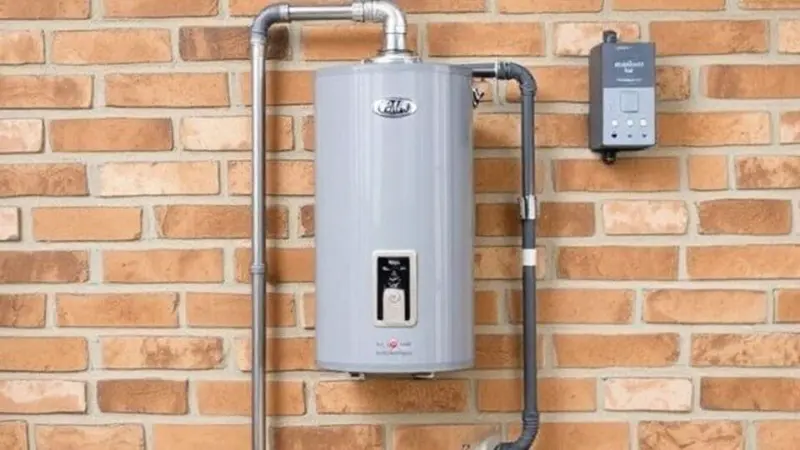

A geyser is an essential appliance in most households, especially during winter or in regions with consistently cold water. While these devices are designed for efficiency and durability, they aren't immune to occasional issues.
Knowing how to troubleshoot common geyser problems can save time and the hassle of calling a technician. Here's a detailed guide to identifying and fixing frequent geyser issues, helping you maintain this indispensable appliance in top condition.
My geyser is not heating water
One of the most common complaints is the geyser failing to heat water. The issue could arise due to several reasons:
- A faulty thermostat.
- Burnt-out heating elements.
- Power supply interruptions.
Fixes:
- Check the power supply: Ensure the geyser is properly plugged in and the circuit breaker isn't tripped.
- Inspect the thermostat: If the thermostat is malfunctioning, it may need recalibration or replacement. A multimeter can help test this component.
- Replace heating elements: If the heating elements are damaged, professional assistance is often required for replacement.
Prevention tip:
Regular maintenance checks on the thermostat and heating elements can prevent sudden breakdowns.
Some geyser options for you:
My geyser's water temperature is too hot
Overheating water isn't just inconvenient-it can be dangerous. This typically indicates an issue with the thermostat settings.
Causes:
- Thermostat set too high.
- A malfunctioning thermostat failing to regulate temperature.
Fixes:
- Adjust thermostat settings: Set the thermostat to a moderate temperature (around 60°C).
- Replace the thermostat: If adjustments don't solve the problem, consider replacing the thermostat.
Prevention tip:
Check thermostat settings periodically, especially before peak usage seasons like winter.
Why is my geyser leaking?
Water leakage around the geyser is a significant issue that needs immediate attention to avoid structural damage to walls or ceilings.
Causes:
- Loose connections in the inlet or outlet pipes.
- Corrosion in the tank.
- High water pressure exceeding the geyser's capacity.
Fixes:
- Tighten connections: Inspect and tighten any loose fittings around the pipes.
- Check the pressure relief valve: A faulty valve may need replacement.
- Replace a corroded tank: If the tank itself is leaking due to rust or damage, replacing the geyser is the only solution.
Prevention tip:
Install a pressure-reducing valve to regulate water pressure and use anti-corrosion measures like an anode rod to prolong the tank's life.
Best 5 star geysers for energy efficiency and hot water comfort: Top picks for 2024
My geyser is making unusual noises
If your geyser emits strange noises like popping or rumbling, it could indicate sediment build-up in the tank.
Causes:
- Accumulation of sediment from hard water.
- Heating elements covered in mineral deposits.
Fixes:
- Flush the tank: Regularly flush the geyser tank to remove sediment. This involves draining the tank completely and rinsing it until the water runs clear.
- Clean the heating elements: If sediment has formed on the heating elements, remove and clean them with a descaling solution.
Prevention tip:
Install a water softener if your area has hard water to minimise mineral deposits.
Some more geyser options for you:
My geyser has low water pressure
Low water pressure from a geyser can disrupt daily routines, making simple tasks like bathing or washing inconvenient.
Causes:
- Blocked inlet pipes due to sediment or debris.
- A faulty pressure relief valve.
- Water supply issues from the main line.
Fixes:
- Clean the inlet pipes: Disconnect and clean any blockages in the pipes.
- Inspect the relief valve: If the valve is faulty, it may need replacement.
- Check the main water supply: Ensure there's adequate pressure in the water supply line.
Prevention tip:
Use a filter in the inlet pipe to prevent debris from entering the geyser.
My geyser keeps turning off unexpectedly
If your geyser switches off during use, it could point to electrical or mechanical problems.
Causes:
- Overheating due to faulty thermostat.
- Electrical wiring issues.
- A worn-out heating element.
Fixes:
- Reset the thermostat: Use the reset button (if available) on the geyser.
- Check electrical connections: Ensure there's no damage or loose wiring.
- Replace heating elements or the thermostat: If the issue persists, consult a professional for replacements.
Prevention tip:
Regularly inspect electrical connections and components for signs of wear or damage.
Water heater options you must not miss:
Geyser water has a strange odour
If the water from your geyser smells bad or appears discoloured, the tank might be harbouring bacteria or rust.
Causes:
- Sediment and bacterial build-up in the tank.
- Corrosion inside the tank.
Fixes:
- Flush and disinfect the tank: Drain the tank and clean it with a solution of water and baking soda or vinegar.
- Replace the anode rod: A worn-out anode rod should be replaced to prevent corrosion.
Prevention tip:
Regularly clean and maintain the tank to avoid bacterial growth or rust formation.
My geyser's power consumption is too high
High electricity bills due to geyser usage can strain your budget, especially in winter.
Causes:
- Continuous heating due to poor insulation.
- A malfunctioning thermostat.
- Inefficient usage habits.
Fixes:
- Insulate the tank and pipes: Use an insulating jacket to retain heat and reduce electricity usage.
- Fix thermostat issues: Replace the thermostat if it fails to regulate temperature effectively.
- Optimise usage: Turn the geyser on only when required, and avoid keeping it on for extended periods.
Prevention tip:
Invest in an energy-efficient model with a good BEE rating for long-term savings.
Why regular maintenance is key
Regular maintenance can prevent most of these issues. Here are some quick tips for keeping your geyser in excellent condition:
- Schedule periodic servicing by a professional.
- Flush the tank every six months to remove sediment.
- Check electrical connections and components annually.
- Use protective measures like water softeners in areas with hard water.
When to call a technician
While many geyser problems are manageable with basic troubleshooting, some require expert intervention. Call a technician for:
- Persistent leaks.
- Electrical issues beyond basic inspection.
- Replacement of complex components like heating elements or pressure valves.
Understanding common geyser issues and their fixes can help you address issues quickly and maintain uninterrupted hot water supply in your home. By following these tips and staying proactive about maintenance, you can extend the life of your geyser and avoid unnecessary repair costs.
Similar articles for you
Is it time to replace your geyser? Signs you need a new water heater and our top recommendations
Disclaimer: At Livemint, we help you stay up-to-date with the latest trends and products. Mint has an affiliate partnership, so we may get a part of the revenue when you make a purchase. We shall not be liable for any claim under applicable laws, including but not limited to the Consumer Protection Act, 2019, with respect to the products. The products listed in this article are in no particular order of priority.