
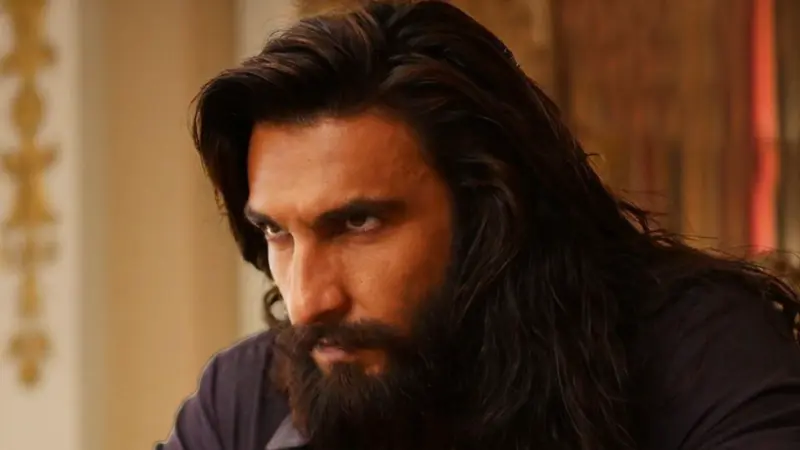

When Dhurandhar released, film critics who expressed negative opinions faced intense online backlash. Many were aggressively trolled and abused.
The situation became so hostile that several critics removed their reviews for personal safety.
One such review was by Anupama Chopra, editor at The Hollywood Reporter India. Her review video was taken down soon after release. While no official reason was given, many linked it to the backlash.
Recently, Rahul Desai, also associated with The Hollywood Reporter India, spoke about his experience. He described the attacks on critics as feeling almost organised. According to him, the nature of trolling appeared calculated.
Rahul Desai explained that critics were first branded as "leftists." Trolls claimed ideological bias was the reason behind the negative reviews. The narrative quickly turned political.
When critics responded, Desai noticed a sudden shift in tone. Trolls began questioning why critics could not "handle criticism" themselves. The goalposts seemed to move constantly.
The discourse soon took an even stranger turn. Desai observed that critics were accused of favouring Yash Raj Films spy universe films like Tiger entries and Pathaan. Trolls claimed these films were liked only because they showed Indian and Pakistani agents in love.
According to Desai, abusers labelled such films as "fake secularism." In contrast, Dhurandhar was projected as "reality." This framing was used to discredit dissenting opinions.
While viewers are free to interpret films through personal or political lenses, branding critics as anti-national for disliking a nationalist film is unreasonable. Disagreement does not equal disloyalty.
A critic's role is to share an honest personal response to a film. Rejecting a film's politics does not make someone anti-national. Such labels silence healthy debate.
The trolling around Dhurandhar goes deeper than surface-level outrage. It creates fear among critics who are simply doing their job. This environment discourages open discussion.
By suppressing criticism, trolls attempt to enforce nationalism through intimidation. This damages freedom of speech. In the process, the true meaning of patriotism and nationalism is diluted.