




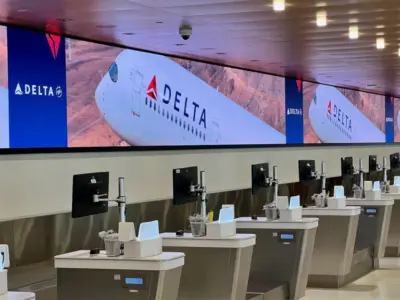

The airline has already implemented this AI-based pricing model for 3% of its fares and aims to expand it to 20% by year's end. Executives describe it as the future of fare-setting, where static prices will be replaced by customized ones based on each traveler's data and behavior.
The company insists this system is a technological breakthrough, allowing prices to reflect real-time demand. But critics see it differently. Many view it as a bizarre twist on personalized marketing that invades privacy and preys on consumer psychology.
The reaction online has been overwhelmingly negative. Frequent flyers are worried this system will penalize loyal customers and inflate fares based on perceived wealth or previous booking habits.
$14K Delta Flight: Loyal Flyer's Worst Experience
Some fear that travelers who log in with premium credit cards or corporate accounts could unknowingly be charged more. Others have declared their loyalty to Delta over, calling the model greedy and opaque.
There's concern that the poorest passengers, who already have limited travel options, will end up with the worst fares. Experts warn that without fare transparency, price discrimination becomes nearly impossible to track or challenge legally.
Indian Chess Star Slams BA for Nightmare Flight
While airlines have long used complex pricing algorithms, this marks a new frontier. AI now tailors prices not just by route or demand but by how much it thinks you personally are willing to pay.
Instead of making air travel more accessible or efficient, this experiment feels like an attempt to quietly extract more money from passengers under the guise of innovation.