




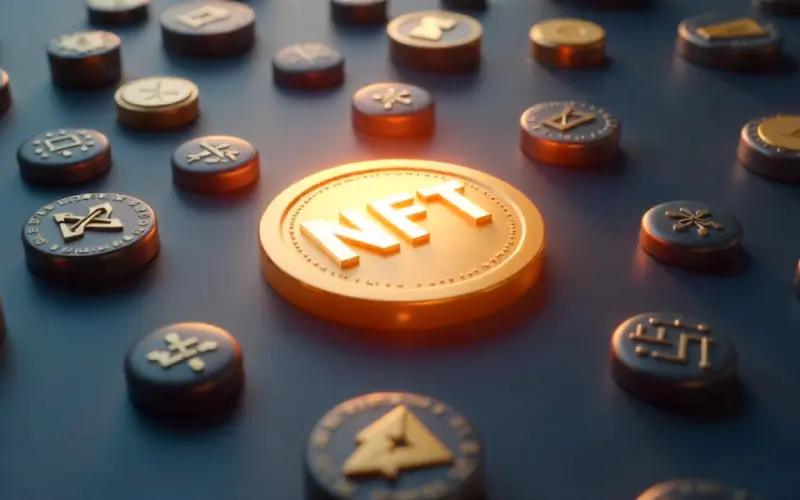

Customer loyalty programs have evolved significantly over the years. From simple point-based systems to personalized digital rewards, businesses have continuously explored new ways to build stronger relationships with their audiences.
A new development now gaining attention is the use of Non-Fungible Tokens (NFTs) within loyalty ecosystems. As blockchain technology becomes more accessible, NFTs are opening new possibilities for how organizations design reward structures and long-term engagement initiatives.
This article explores how NFTs are being integrated into loyalty programs, why organizations are experimenting with them, and whether this approach has the potential to reshape the future of customer engagement.
Understanding NFTs in Simple Terms
NFTs, or Non-Fungible Tokens, are digital assets stored on a blockchain that represent ownership of a unique item. Unlike cryptocurrencies such as Bitcoin or Ethereum, which are interchangeable, each NFT carries distinct characteristics that make it different from any other token.
These digital tokens can represent artwork, collectibles, event access passes, digital merchandise, membership credentials, or limited-edition items. Because NFTs are recorded on a blockchain, ownership history and authenticity can be verified easily.
This ability to create verifiable digital ownership is what makes NFTs particularly interesting for loyalty initiatives.
How Loyalty Programs Traditionally Work
Traditional loyalty programs typically operate through a simple structure:
Customers earn points after purchases or interactions
Points accumulate in an account
Points can later be redeemed for rewards
While this system has worked for decades, it also has several limitations:
Limited ownership: Rewards remain within the company's platform.
Low perceived value: Points often feel abstract and interchangeable.
Restricted flexibility: Rewards usually cannot be traded or transferred.
Because of these limitations, many companies are studying alternative reward systems that feel more meaningful and engaging for participants.
Where NFTs Fit Into Loyalty Ecosystems
NFT-based loyalty programs introduce digital ownership into reward structures. Instead of earning traditional points, participants receive unique digital assets that represent achievements, milestones, or special experiences.
These NFTs can serve several purposes within loyalty ecosystems:
1. Digital Collectibles
Brands can issue collectible NFTs tied to campaigns, events, or milestones. Customers may collect them over time, similar to trading cards or limited-edition merchandise.
This approach taps into the psychology of collecting, which often increases engagement and long-term participation.
2. Tier-Based Membership Tokens
NFTs can also function as membership credentials. For example, a premium NFT might grant access to exclusive communities, early product releases, or invitation-only events.
Because these tokens exist on a blockchain, membership verification becomes transparent and secure.
3. Transferable Rewards
Unlike traditional loyalty points, NFTs can sometimes be transferred or traded. This creates an entirely new dimension of value.
If a reward becomes desirable or scarce, it may gain additional value among collectors or community members.
4. Gamified Experiences
NFTs can support gamification within loyalty programs. Participants may unlock achievements, complete challenges, or earn rare tokens by interacting with the brand ecosystem.
This structure can make loyalty participation feel more interactive and engaging.
Why Companies Are Exploring NFT Loyalty Programs
Several factors are driving interest in NFT-based loyalty initiatives.
Enhanced Sense of Ownership
Traditional rewards remain confined to company databases. NFTs, however, exist in independent digital wallets owned by users. This creates a stronger feeling of ownership and permanence.
When customers truly own their rewards, those rewards can feel more meaningful.
Scarcity and Exclusivity
NFTs allow companies to create limited digital items with verified scarcity. A limited collection of 1,000 tokens, for example, can be publicly verified on the blockchain.
Scarcity often increases perceived value and encourages participation.
Community Building
NFT holders frequently form communities around shared ownership. Online groups, private channels, and digital events may emerge among token holders.
These communities strengthen the connection between customers and brands.
Cross-Platform Possibilities
NFTs can potentially function across different digital environments. A token earned from one brand could later provide benefits in partner ecosystems or digital spaces such as virtual worlds.
This interoperability creates opportunities that traditional loyalty programs rarely offer.
Real-World Examples of NFT Loyalty Experiments
A growing number of global companies have begun exploring NFT-based loyalty systems.
Starbucks Odyssey
Starbucks launched an initiative called Odyssey that integrates blockchain-based collectibles into its rewards ecosystem. Participants complete interactive activities to earn digital stamps, which are NFTs representing achievements within the program.
These collectibles can unlock access to experiences, exclusive items, or community events.
Nike's Digital Collectibles
Nike introduced a digital platform called .SWOOSH that allows users to collect and interact with virtual items connected to the brand. These digital assets serve as collectible items and could potentially unlock access to future releases.
Ticketing and Event NFTs
Several entertainment and event organizations have experimented with NFT-based tickets. These tokens function as both entry passes and collectible memorabilia from the event.
Over time, such tokens may become digital souvenirs with historical significance.
Potential Advantages of NFT Loyalty Programs
While still emerging, NFT-based loyalty programs offer several potential advantages.
Greater Personalization
NFTs can be customized to reflect specific achievements or participation levels. This personalization makes rewards feel more tailored and meaningful.
Long-Term Collectibility
Unlike standard reward points that expire, NFTs can remain in digital wallets indefinitely. This longevity encourages participants to continue collecting tokens.
Increased Transparency
Because NFTs are stored on public blockchains, ownership and scarcity are verifiable. This transparency builds trust in reward systems.
New Forms of Digital Engagement
NFTs can be integrated into interactive experiences such as games, virtual events, digital art collections, and community-driven initiatives.
Challenges That Organizations Must Consider
Despite their potential, NFT loyalty programs also face several challenges.
Technical Complexity
Blockchain technology can be difficult for newcomers to understand. Wallet setup, token management, and transaction processes may require user education.
Environmental Concerns
Some blockchain networks consume significant energy, although newer systems are transitioning toward more efficient models.
Regulatory Uncertainty
Digital asset regulations continue to evolve in many regions. Organizations must carefully navigate legal frameworks when launching NFT initiatives.
Market Volatility
NFT markets have experienced rapid fluctuations in value and demand. Loyalty programs must focus on long-term engagement rather than speculative trading behavior.
The Future of Loyalty Programs
NFT-based loyalty systems are still in an experimental phase. However, the underlying idea providing verifiable digital ownership of rewards represents an interesting shift in how organizations approach customer relationships.
Instead of treating rewards as temporary points stored within company platforms, NFTs transform them into assets users can hold, collect, and potentially use across digital environments.
If blockchain technology becomes easier to use and more widely adopted, NFT loyalty ecosystems could expand significantly. Integration with mobile apps, digital wallets, and online communities may further simplify participation.
At the same time, organizations must ensure that these programs remain accessible and genuinely beneficial to participants.
Conclusion
NFT growth within loyalty programs represents a notable shift in how companies think about customer engagement. By combining digital ownership, collectible rewards, and blockchain transparency, NFTs introduce new possibilities for reward systems.
While the technology still faces challenges, it offers a creative framework for building deeper connections with customers through unique digital assets and community-driven experiences.
As blockchain adoption continues to expand, NFT-powered loyalty ecosystems may become an increasingly important part of how organizations design long-term engagement strategies.
nft
Disclaimer
This content is a community contribution. The views and data expressed are solely those of the author and do not reflect the official position or endorsement of nasscom.
That the contents of third-party articles/blogs published here on the website, and the interpretation of all information in the article/blogs such as data, maps, numbers, opinions etc. displayed in the article/blogs and views or the opinions expressed within the content are solely of the author's; and do not reflect the opinions and beliefs of NASSCOM or its affiliates in any manner. NASSCOM does not take any liability w.r.t. content in any manner and will not be liable in any manner whatsoever for any kind of liability arising out of any act, error or omission. The contents of third-party article/blogs published, are provided solely as convenience; and the presence of these articles/blogs should not, under any circumstances, be considered as an endorsement of the contents by NASSCOM in any manner; and if you chose to access these articles/blogs , you do so at your own risk.