

As temperatures rise, the demand for cold and sweet treats increases.
Ice creams and similar products quickly become a favorite choice. However, many consumers are unaware that not every product sold as a creamy dessert is actually ice cream. A closer look at packaging often reveals the term "frozen dessert," which indicates a significant difference in composition and quality.
What the Label Reveals
One of the simplest ways to distinguish between the two is by reading the product label. While both may look identical, manufacturers clearly mention whether the product is "ice cream" or "frozen dessert." Ignoring this detail often leads to confusion among buyers.
The Key Difference: Source of Fat
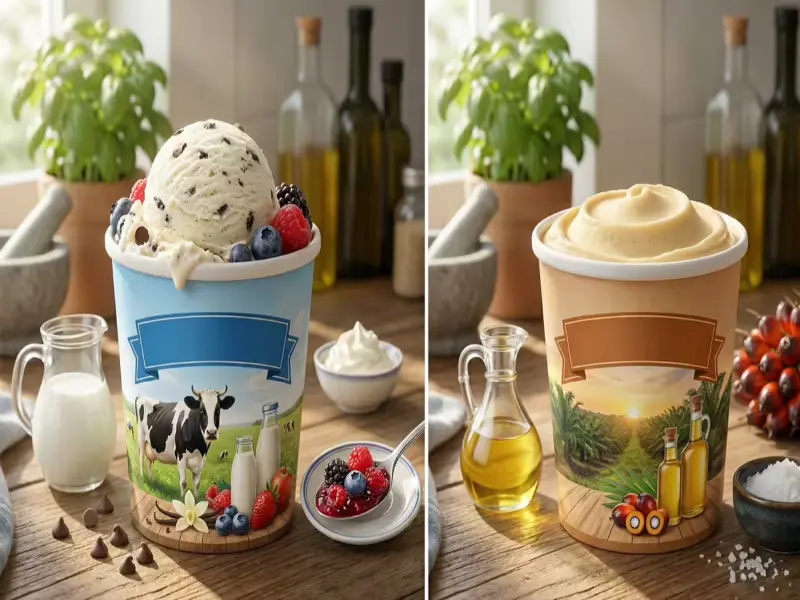
The most important distinction lies in the type of fat used. Ice cream is made using milk fat derived from cream and dairy. In contrast, frozen desserts typically use vegetable oils such as palm oil or other hydrogenated fats instead of dairy fat. This fundamental difference affects not only taste but also nutritional value.
As per Food Safety Standards
According to guidelines set by the Food Safety and Standards Authority of India (FSSAI), genuine ice cream must contain dairy fat sourced from milk or cream. This gives it a naturally rich, smooth, and creamy texture.
Frozen desserts, on the other hand, may include milk solids but rely primarily on non-dairy fats. Despite their similar appearance, their composition is quite different.
Taste and Texture Differences
Ice cream tends to have a richer flavor and smoother consistency due to the presence of real milk fat. Frozen desserts may feel slightly different in texture and often rely on added ingredients to mimic creaminess.
Health Considerations
From a health perspective, ice cream contains natural milk fats, which are generally considered better than processed alternatives when consumed in moderation. Frozen desserts, however, often contain higher levels of saturated fats from vegetable oils, which may not be ideal for heart health if consumed excessively.
Sugar Content Matters
Both ice cream and frozen desserts contain high amounts of sugar, contributing to their taste. Individuals with diabetes or those monitoring sugar intake should consume both products cautiously.
Use of Additives
Frozen desserts frequently include artificial emulsifiers and stabilizers to improve texture and shelf life. Ice cream, while it may also contain some additives, typically relies more on natural dairy ingredients.
How to Identify the Right Product
Consumers can make informed choices by:
- Reading the product name on the front of the package
- Checking the ingredient list for "milk fat" or "cream" (ice cream) versus "vegetable oil/fat" (frozen dessert)
- Noting the price, as frozen desserts are often cheaper due to lower production costs
Making a Smarter Choice
Understanding these differences helps consumers choose according to their preferences and health considerations. While both options can be enjoyed occasionally, being aware of what goes into your dessert ensures better decision-making and healthier indulgence.