
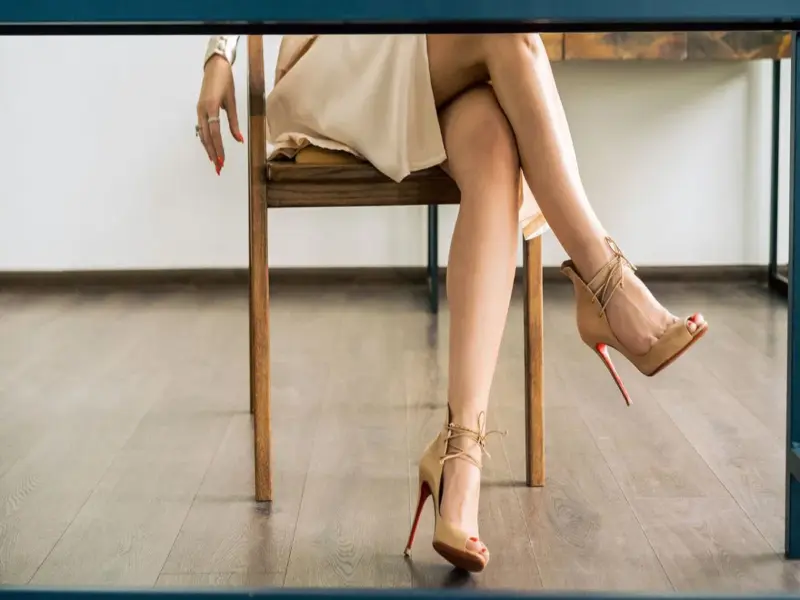

In today's lifestyle, sitting for long hours has become unavoidable-whether at work, at home, or while using devices. Many people naturally sit in a cross-legged position because it feels comfortable.
But over time, questions often arise about whether this habit is actually harmful to the body.
The truth is, sitting cross-legged in itself is not inherently dangerous. There is very limited scientific evidence to prove that this posture directly causes serious problems like back damage, hip issues, or varicose veins. In fact, the human body is quite adaptable, and the spine is designed to handle a variety of sitting positions without immediate harm.
However, the real issue is not the posture-but the duration. Sitting in any single position for a long time, including cross-legged, can lead to stiffness, discomfort, and minor aches. When you cross your legs for extended periods, it may put temporary pressure on nerves and affect blood flow slightly, which can cause sensations like tingling, numbness, or mild swelling. These are usually short-term effects and not permanent damage.
When it comes to back health, cross-legged sitting is often labeled as poor posture, but there is no one "perfect" sitting position for everyone. What matters more is movement and variation. Staying still for too long, regardless of posture, can strain muscles and joints over time.
Similarly, concerns about damage to hips and knees are often exaggerated. Our joints handle much greater stress during daily activities like walking, climbing stairs, or exercising. Sitting cross-legged for short durations does not significantly impact them unless someone already has existing joint issues.
As for varicose veins, crossing your legs may temporarily affect circulation, but it is not considered a direct cause. Conditions like varicose veins are more strongly linked to factors such as genetics, age, obesity, pregnancy, or prolonged standing.
In simple terms, sitting cross-legged is fine if it feels comfortable-but moderation is key. The best approach is to avoid staying in any one position for too long. Keep changing your posture, stretch occasionally, and stay active throughout the day.