
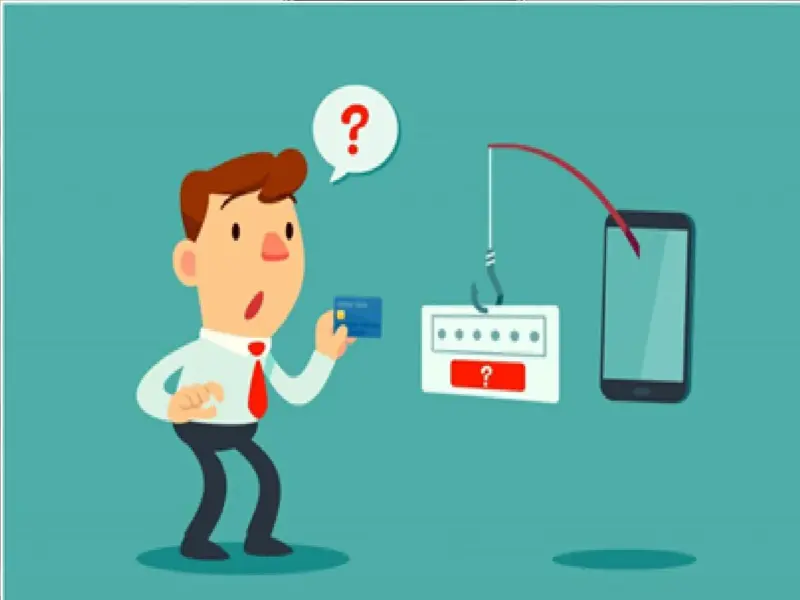

One of the most common forms of cybercrime these days is OTP fraud. To steal money from your bank account, scammers use a variety of methods to fool people into thinking they need to provide their OTP. Here are some common methods used by fraudsters to commit OTP scams: You receive a call stating that an OTP for a transaction has been sent to you because the caller mistyped your cellphone number.
They then ask you to provide this code.
When you receive a call from an unknown number, the caller pretends to be a bank official. The scammer will try to scare you by claiming that the bank has noticed some strange activity on your account and that you need to provide your PIN or OTP to prevent further loss of money. Hackers may pose as internet retailers or delivery drivers. They will ask for your OTP, claiming to cancel an order or provide a refund.
Scammers may contact or message you, claiming you've won a lottery, prize, or reward, and need your OTP to redeem it. Scammers know that increasing cyber awareness is making more people aware of cyber fraud. Consequently, their reasons for asking for your OTP are becoming more sophisticated. For example, they may need your OTP to obtain an interest-free loan or an income tax refund.
Never share the OTP you receive with anyone. No bank representative, police officer, or government official will ever ask for your bank PIN or OTP. Keep in mind that when you use an OTP, money will be withdrawn from your account, not the other way around. An OTP cannot be used to add money to your account.
Scammers may ask you to provide your OTP, claiming that doing so will allow them to transfer money to your account. Avoid falling for such scams.
See tips to avoid OTP fraud
Read the OTP SMS carefully. The purpose of the OTP is often stated in the SMS. If in doubt, do some research on the company or retailer online before making an online purchase.
Visit their official website and use the contact information provided there. If you're still unsure, choose cash on delivery.
You should not click on any links, emails or messages from unknown sources that offer financial alerts or products.
Use only secure networks for digital payments. Financial transactions should not be conducted over public Wi-Fi, as it is vulnerable to hacking.
For your online accounts, create secure passwords and, if possible, turn on two-factor authentication (2FA).
Check your bank statements regularly. Keep an eye out for any strange or unusual transactions. If you notice anything amiss, let your bank know.
Improve your patience and digital safety skills. Ask questions about anything that seems strange when making online transactions. Before completing any purchase, take a moment to carefully observe any warning signs.
PC: LinkedIn