
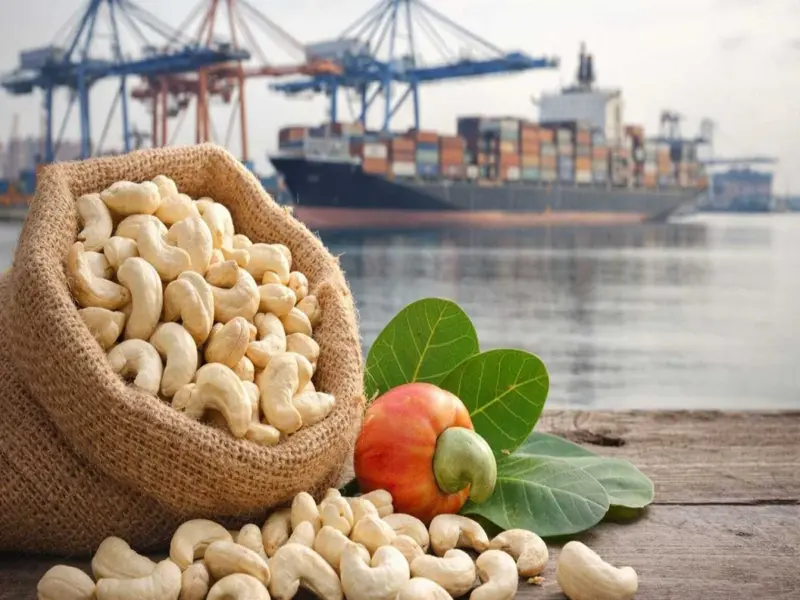

Cashew nuts, widely used in snacks, desserts, and culinary dishes, are among the most consumed nuts globally.
With rising demand, several tropical countries have expanded cashew cultivation, making it an important contributor to agricultural economies and export markets.
Vietnam Tops the Global List
Vietnam has emerged as the world's largest producer and processor of cashew nuts. The country's dominance is driven by advanced processing technology, efficient supply chains, and strong export networks. Vietnam not only cultivates cashews domestically but also imports raw cashews from African nations, processes them, and exports finished products to markets such as the United States, India, China, and Europe. Government support and consistent global demand have helped Vietnam maintain its top position.
Top Cashew Producing Countries
- India: One of the largest producers and consumers of cashews, India is known for high-quality processing. Key producing states include Kerala, Karnataka, Goa, Maharashtra, Andhra Pradesh, and Odisha. Cashews are widely used in traditional sweets and cuisine, and exports significantly support the economy.
- Côte d'Ivoire (Ivory Coast): A leading producer of raw cashews, the country exports large quantities to Asia for processing. The sector plays a crucial role in supporting rural livelihoods.
- Nigeria: A major African producer, Nigeria contributes both raw and processed cashews to the global market. The industry provides employment and boosts export earnings.
- Tanzania: Known for premium-quality cashews, Tanzania has improved its production through better farming practices and infrastructure investments. Cashew cultivation remains a key agricultural activity.
Cashew Production in India
Within India, Maharashtra is among the leading producers of cashew nuts, along with Kerala, Karnataka, and Andhra Pradesh. Favorable climatic conditions and fertile soil in these regions support high-quality production.
Conclusion
While several countries contribute significantly to global cashew production, Vietnam continues to dominate due to its strong processing capabilities and export-driven approach. Meanwhile, India and African nations remain key players in cultivation, ensuring steady global supply.