
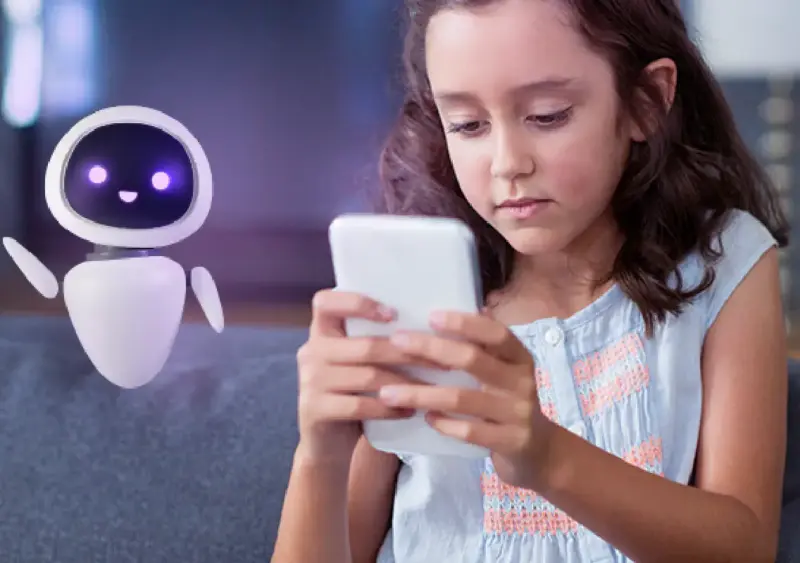

A new wave of technology is quietly entering homes—AI-powered companions designed specifically for children—promising learning, engagement, and emotional interaction.
Beyond voice assistants and smart devices, companies are now developing interactive toy robots that can recognise faces, respond to voice commands, and adapt to a child's behaviour.
Products like Moxie are being marketed as learning partners that encourage curiosity, communication skills, and emotional development.
These devices aim to go beyond entertainment, acting as 'playmates' that can teach and interact in personalised ways.
AI companions use a combination of speech recognition, machine learning, and sensors to engage with children. They can remember preferences, respond to emotions, and even guide activities like storytelling or problem-solving.
Over time, the system adapts to the child's personality, creating a more tailored interaction experience.
Despite the benefits, experts are raising concerns about privacy. These devices often collect sensitive data, including voice recordings, facial recognition inputs, and behavioural patterns.
There are fears about how this data is stored, used, and protected—especially when it involves children.
Psychologists also caution about the emotional influence of AI companions. Children may form attachments to these devices, potentially affecting real-world social interactions.
Experts stress that while AI can support learning, it should not replace human relationships or parental engagement.
As adoption grows, there are increasing calls for clear regulations governing child-focused AI technologies. Transparency in data usage, safety standards, and parental controls are seen as essential.
Parents are advised to stay informed, supervise usage, and ensure a healthy balance between digital and real-world interactions.
AI companions represent a significant shift in how children interact with technology. While they offer exciting possibilities for education and engagement, ensuring safety and ethical use remains crucial.
The conversation around these devices is just beginning, with experts urging caution alongside innovation.