
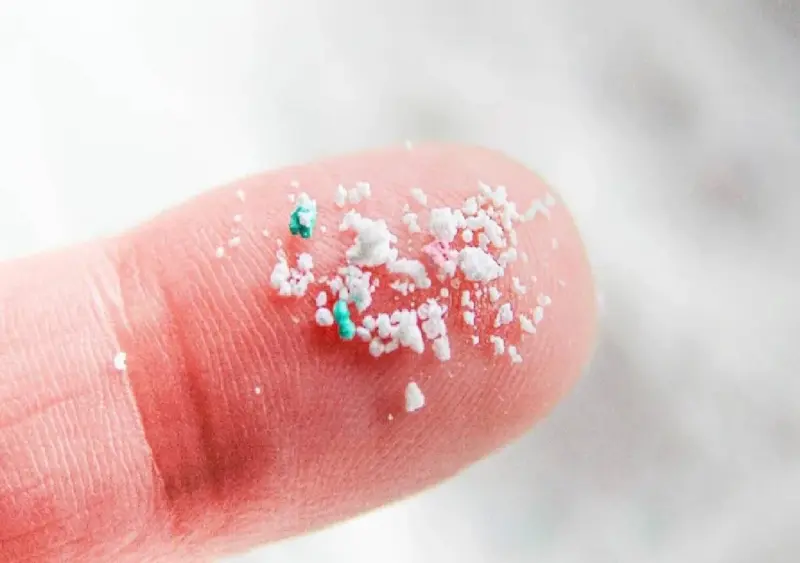

A simple frying pan sitting in your kitchen could be doing more than just cooking your meals. A recent study, now widely shared on social media, has raised concerns that even a single scratch on a non-stick pan may release thousands of microplastic particles into food . In cases where the coating is severely damaged, the number could reportedly rise to over 2 lakh particles.
The claim has triggered widespread concern among households, especially as awareness grows around microplastics and their potential impact on human health. While scientists have been studying plastic exposure for years, this discussion brings the issue closer to home—right into everyday cooking habits.
However, experts urge caution before jumping to conclusions, stating that while the concerns are valid, they require deeper understanding rather than panic.
According to the findings being circulated, non-stick cookware coated with materials such as Teflon may release microplastic particles when scratched or worn out. These particles are extremely small and invisible to the naked eye, making it difficult to detect their presence in food.
The concern becomes more significant when the coating deteriorates extensively. In such cases, the release of particles could increase sharply, raising questions about prolonged exposure and its possible health implications.
Although the study has gained traction online, experts note that further research is needed to establish the exact level of risk and real-world impact on human health.
Non-stick coatings often contain PFAS (per- and polyfluoroalkyl substances), commonly referred to as 'forever chemicals' because they do not easily break down in the environment or the human body.
Over the years, studies have linked PFAS exposure to several health concerns, including hormonal imbalances, reduced fertility, weakened immune response, and an increased risk of certain cancers.
What makes PFAS particularly concerning is their widespread presence. Researchers have already detected these chemicals in the blood of people across the globe, indicating that exposure is not limited to specific regions or industries.
Health experts emphasise that not all non-stick cookware is dangerous. When used correctly and maintained properly, such pans are generally considered safe for everyday cooking.
The risk tends to increase under certain conditions, such as when the pan is scratched or peeling, exposed to consistently high heat, or damaged by metal utensils.
A well-maintained non-stick pan used at low to medium heat is unlikely to pose significant risk. However, once the coating begins to wear off, experts recommend replacing the cookware to minimise potential exposure.
Rather than abandoning non-stick cookware altogether, experts suggest adopting safer usage practices. These include avoiding the use of damaged or heavily scratched pans, using wooden or silicone utensils instead of metal, and ensuring that empty pans are not overheated.
Regularly inspecting cookware for signs of wear and replacing older pans when the coating deteriorates can also reduce potential risks.
Many households are also exploring alternatives such as stainless steel and cast iron cookware, which do not rely on synthetic coatings and are known for their durability.
The discussion around microplastics is no longer confined to oceans and environmental pollution. It is increasingly becoming part of everyday life—from drinking water and packaged food to the air people breathe.
The recent concerns around cookware highlight a broader issue: small, repeated exposures over time may contribute to long-term health effects. While the idea that a scratched pan could release harmful particles into food may seem alarming, it also serves as a reminder of the importance of mindful daily choices.
In the absence of definitive conclusions, experts stress that awareness—not fear—should guide consumer behaviour. Making informed decisions about cookware, usage habits, and replacements can go a long way in reducing potential risks.