
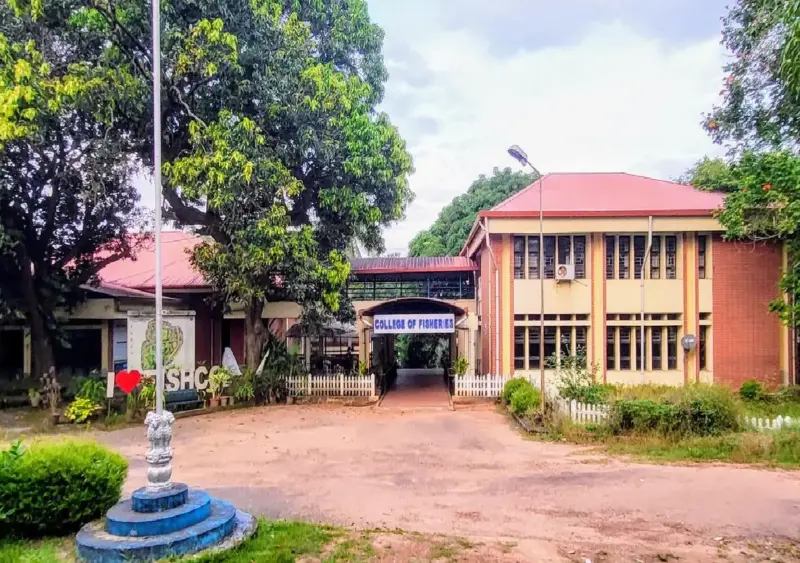

Mangaluru: Chief Minister Siddaramaiah has proposed the establishment of a Centre of Excellence at the College of Fisheries to promote biotechnology-based industries, development of new technologies and expansion of mariculture while presenting the State Budget 2026-27 in Bengaluru on Friday.
The initiative is aimed at strengthening the fisheries sector, boosting coastal livelihoods and encouraging innovation in marine resource utilisation.
The proposed Centre of Excellence is expected to focus on advanced research, innovation and skill development related to fisheries biotechnology, aquaculture and sustainable marine practices. Officials believe such an institution will support the growth of emerging sectors such as mariculture and help create opportunities for coastal communities that depend on fishing for their livelihood.
Mariculture, a specialised branch of aquaculture, involves the cultivation of marine organisms including finfish, shellfish and seaweed in controlled or enclosed saltwater environments. These systems can include cage culture, ponds or offshore sea-based farming structures.
Experts note that mariculture offers a sustainable and high-growth alternative to traditional marine fishing. As natural fish stocks face increasing pressure due to overfishing and environmental changes, mariculture provides an opportunity to produce protein-rich seafood while reducing pressure on wild marine ecosystems.
Through research, training and technology development, the proposed Centre of Excellence is expected to promote scientific approaches to marine farming and improve productivity in the fisheries sector.
The Chief Minister also announced that the government will formulate a Karnataka State Offshore Resources Development and Utilisation Policy. The policy will focus on the optimum use of marine resources for activities such as cage culture fishing and renewable energy generation.
Cage culture fishing has already been introduced in several rivers across coastal Karnataka that fall under the Coastal Regulation Zone. These include the Netravathi, Nandini, Shambhavi, Swarna, Seetha, Varahi, Souparnika and Sharavathi rivers, among others.
In cage culture systems, fish are grown in floating cages placed in water bodies such as rivers, reservoirs or coastal areas. The method allows fishermen to increase fish production in a controlled environment without requiring large land resources. The government believes expanding such practices could significantly boost fish production and create new livelihood opportunities.
As part of the budget announcements aimed at strengthening the fisheries sector, the Chief Minister said the value of fisheries kits distributed free of cost to fishermen will be doubled. The current assistance of ₹10,000 will be increased to ₹20,000 in order to encourage fishing activities and support fishermen with essential equipment.
In addition, the government has earmarked ₹20 crore for the maintenance of fishing link roads across the State. These roads play an important role in enabling fishermen to transport their catch quickly from landing points to markets, thereby reducing spoilage and improving income opportunities.
The government also announced plans to establish 'Matsya Darshinis' in the districts of Belagavi, Davangere, Hubballi and Chikkamagaluru. These outlets aim to promote fish consumption among the public while ensuring the availability of clean and quality fish products.
To improve infrastructure for fish trade, the government has proposed the establishment of modern fish markets in the districts of Uttara Kannada, Dakshina Kannada, Udupi and Bagalakote. These markets are expected to provide hygienic facilities for fish handling, storage and sales, benefiting both fishermen and consumers.
The Chief Minister also highlighted the importance of inland fisheries in supporting rural livelihoods and ensuring food security. The government plans to train fishermen to increase fish production in rivers, lakes, farm ponds and reservoirs by adopting modern aquaculture technologies.
By strengthening inland fisheries, authorities hope to generate stable and sustainable income opportunities for fishing communities across the State.
In another key announcement, Siddaramaiah said a comprehensive Multimodal Logistics Policy will be formulated to support the development of ports and cargo transport zones in coastal Karnataka. The policy aims to improve transportation infrastructure, streamline cargo movement and enhance the economic potential of the coastal region.
Experts believe that improved logistics connectivity could significantly benefit the fisheries sector by ensuring faster transportation of seafood to domestic and export markets.
The proposals outlined in the State Budget 2026-27 reflect a broader effort by the government to strengthen the fisheries sector through research, infrastructure development and policy support. If implemented effectively, the Centre of Excellence and other initiatives could boost marine research, promote sustainable fishing practices and improve the livelihoods of thousands of fishermen across Karnataka.