
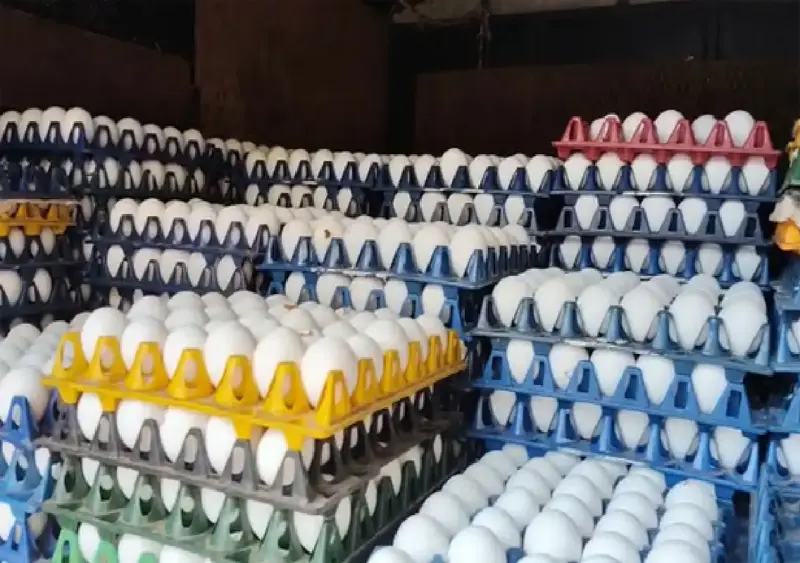

Mangaluru: The ongoing conflict in Middle Eastern nations has led to a sharp decline in egg prices in India, bringing unexpected relief to consumers as exports to Gulf countries have come to a halt.
Nearly 80 per cent of eggs produced in India were being exported to Gulf nations until recently. However, disruptions in transportation and trade routes due to the prevailing tensions in the Middle East have brought exports to a standstill. As a result, large quantities of eggs that were originally meant for international markets are now being diverted to domestic markets.
In addition to the export slowdown, seasonal demand fluctuations during the Ramzan fasting period have further contributed to the decline in prices. With reduced consumption patterns in key export destinations, the supply chain has been significantly affected.
The sudden increase in supply within the domestic market has led to a noticeable drop in both wholesale and retail egg prices. Traders and vendors report that rates have fallen considerably compared to previous weeks, when prices were relatively high due to strong demand and limited supply.
This surplus has made eggs more accessible to the general public, particularly at a time when food inflation has been a concern for many households. Market observers note that such a steep price correction is directly linked to external geopolitical developments rather than internal production changes.
For consumers, the decline in egg prices has come as a welcome relief. Eggs, being an affordable and protein-rich food, are a staple in many households. The reduced prices have encouraged higher consumption, with increased buying activity reported across local markets.
Retailers have also observed a rise in demand, as customers take advantage of the lower rates. The affordability factor has made eggs an attractive option for families looking to maintain nutritional intake without straining their budgets.
While consumers are benefiting, the situation has raised concerns among poultry farmers and traders. The sudden price drop affects their margins, especially for those who were dependent on export markets for stable and higher returns.
Industry stakeholders are closely monitoring the situation, as prolonged disruptions in exports could lead to financial strain for producers. They are hopeful that normal trade operations will resume once geopolitical conditions stabilise and transportation channels reopen.
Experts suggest that egg prices may remain low in the short term if export restrictions continue and supply remains high. The market is expected to stabilise only when international demand recovers and export channels are restored.
Until then, the domestic market is likely to experience continued surplus, keeping prices under pressure.
The fall in egg prices highlights how global events can directly influence local markets. While the current situation offers relief to consumers, it also underscores the vulnerability of export-dependent sectors. A balanced recovery will be crucial to ensure both affordability for consumers and sustainability for producers.