
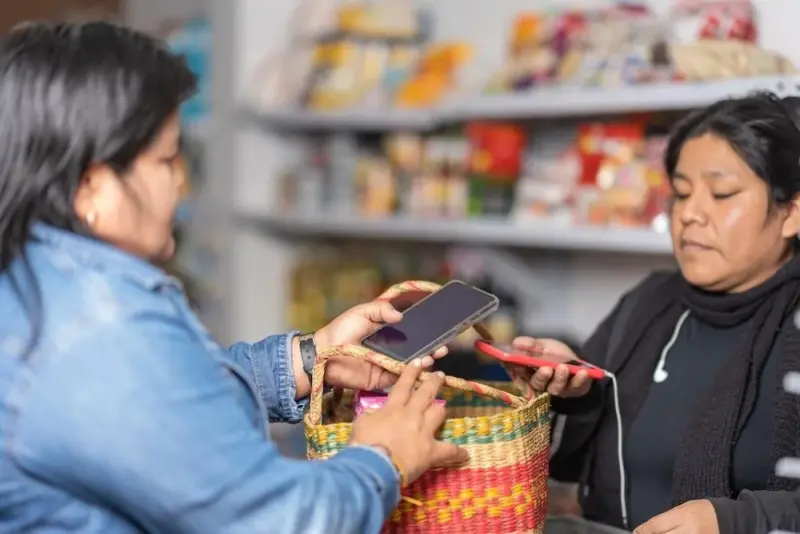

For years, kirana stores have been the backbone of everyday shopping in India. They are familiar, reliable, and deeply connected to their neighbourhoods.
But things are changing. Today, even small local stores are slowly stepping into the digital world. In this blog, you will see why this shift is happening and how kirana stores are adapting to it.
Why Kirana Stores Are Going Digital
Here is why kirana stores are going digital:
1. UPI and Smartphone Explosion
The biggest push has come from smartphones and UPI. Almost every shop owner today has access to a smartphone, and accepting payments through QR codes has become normal.
Unlike traditional POS machines, QR codes are simple to set up and cost almost nothing. Payments happen instantly, and there is less dependency on cash. For both shopkeepers and customers, this has made daily transactions faster and easier.
2. Growth of the Digital Economy
India's digital growth has picked up pace over the last few years. Internet access is no longer limited to big cities. People in Tier 2 and Tier 3 cities are also coming online in large numbers.
As more customers become comfortable using apps and digital payments, kirana stores have had to keep up. If customers are ready to pay digitally and order online, stores cannot afford to stay offline.
3. COVID as a Turning Point
The pandemic changed how people shop. Contactless payments became the safer option. Many customers started placing orders through WhatsApp instead of visiting stores.
Kirana stores quickly adjusted. They began taking orders on chat, arranging home deliveries, and accepting online payments.
Even after things returned to normal, these habits stayed. Customers got used to the convenience, and shop owners saw the benefit of faster, smoother operations.
How Kirana Stores Are Adapting to the Digital Shift
Here is how kirana stores are adapting to digital shift:
1. The First Step: From Cash to QR Codes
Most stores begin with basic changes. They start accepting UPI payments, use smartphones for communication, and take simple orders through WhatsApp.
This is usually the entry point into digital adoption. It does not require major investment, but it makes a visible difference in how the store operates.
2. Going Hyperlocal: Serving Nearby Customers Online
Kirana stores have always been built around proximity. Now they are extending that same model online.
Customers send their list on WhatsApp. The store prepares the order and delivers it within the neighbourhood.
This creates a simple but powerful system. Fast service, familiar products, and no need to visit the store physically. This is what people refer to as hyperlocal commerce. It focuses on serving nearby customers quickly and efficiently.
3. Expanding Beyond the Store: Building an Online Presence
Some kirana stores are going a step further. Instead of depending only on walk-in customers, they are listing products on marketplaces or creating their own small online kirana store.
This helps them reach more people within their city or area. It also opens up new ways of selling, especially for stores that want to grow beyond their immediate neighbourhood.
4. From Store to Brand: Building Customer Loyalty
As stores become more comfortable with digital tools, they start thinking beyond daily sales. Many are focusing on repeat customers and building a recognisable identity.
Some introduce curated products or private labels. Others focus on better service and consistent experience. Over time, this helps them stand out instead of being just another nearby shop.
Benefits of Going Digital for Kirana Stores
1. Reaching More Customers
Stores are no longer limited to foot traffic. They can serve nearby areas more efficiently and even attract new customers within their locality.
2. Higher Revenue OpportunitiesWith online orders and repeat customers, stores can increase their daily sales without expanding physical space.
3. Enabling Faster and More Convenient Transactions
Digital payments reduce waiting time and simplify billing. This improves the overall shopping experience for customers.
Challenges That Still Exist
While going digital comes with many benefits, few challenges still exist today:
1. Limited Digital Literacy
Not every shop owner is comfortable with apps or online tools. Learning and adapting takes time.
2. Internet and Infrastructure Issues
In some areas, connectivity can still be unreliable, which affects digital operations.
3. Dependency on Platforms
Relying only on marketplaces can limit control over pricing, visibility, and customer relationships.
4. Security and Trust Concerns
Concerns around fraud or misuse of digital systems still exist, especially for first-time users.
How Platforms Like Zopping Are Enabling Kirana Stores to Go Digital
Here is how Zopping enables kirana stores to go digital:
1. Moving Beyond Marketplace Dependency
Many kirana stores depend on marketplaces to get online orders. While this brings visibility, it also means less control over pricing and customer data.
Zopping allows store owners to create their own branded online storefront. This helps them build direct relationships with customers and retain long-term value.
2. Simplifying Online Store Creation
Setting up an online store traditionally requires developers and multiple tools. That can be expensive and confusing.
Zopping is a no-code store builder where store owners can launch their website or even a mobile app without technical knowledge. With ready themes, easy customisation, and mobile-first design, the setup becomes quick and practical.
3. Built for India-First Commerce Needs
Indian businesses operate differently. Payments, billing, and delivery systems need to match local requirements.
Zopping supports UPI payments, GST billing, and local delivery models. This makes it practical for kirana stores that want to go digital without changing how they already operate.
4. Powering Hyperlocal and Quick Commerce
Speed matters in the kirana model. Customers expect quick fulfilment.
Zopping supports real-time inventory tracking, delivery partner integrations, and faster order processing. This allows stores to handle same-day or quick deliveries efficiently.
5. Enabling Direct Customer Relationships
With their own storefront, kirana stores can directly manage customer interactions. They can track orders, communicate with buyers, and encourage repeat purchases.
This builds stronger connections and long-term customer value.
6. All-in-One Business Management
Instead of juggling multiple tools, Zopping provides a single dashboard to manage inventory, orders, payments, and logistics.
This simplifies operations and gives store owners a clearer view of how their business is performing.
Closing Thoughts
Kirana stores are not disappearing. They are evolving.
The same trust and familiarity still exist, but now supported by digital tools that make operations smoother and customer experience better.
If you run a kirana store, going digital does not mean changing everything overnight. It starts with small steps and grows over time. And with tools like Zopping in place, it becomes much easier to keep up with how customers shop today.