
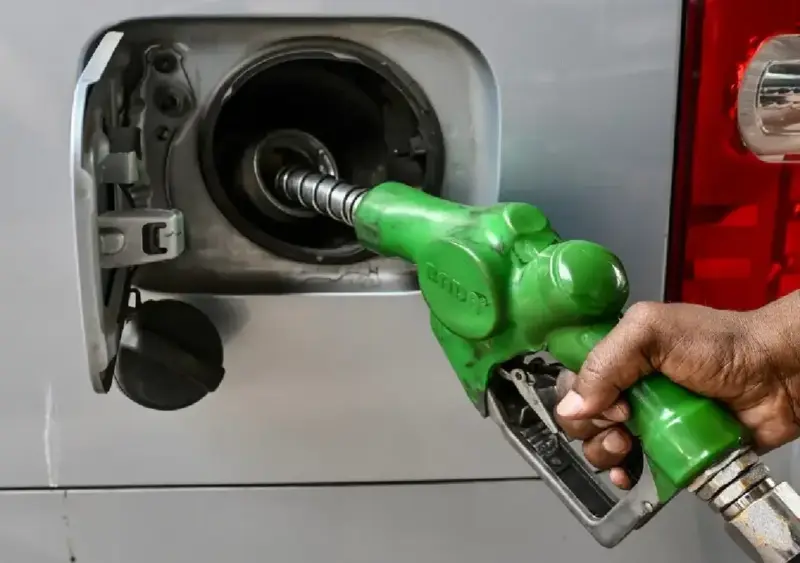

New Delhi: India has begun exporting 5,000 tonnes of diesel to Bangladesh as part of an ongoing bilateral energy supply agreement, even as volatility in the global energy market continues due to disruptions in key trade routes.
The diesel shipment is being delivered through a cross-border pipeline and will enter Bangladesh via the Parbatipur border point. The supply comes at a time when Bangladesh is grappling with a severe energy crisis and tightening fuel availability.
Officials from Bangladesh confirmed that the diesel supply is part of a previously signed agreement between the two neighbouring countries.
Muhammad Rezanur Rahman, Chairman of the Bangladesh Petroleum Corporation (BPC), said that the shipment is part of India's annual commitment to supply diesel to Bangladesh.
'We have an agreement with India, and according to that agreement, India will supply 1,80,000 tonnes of diesel to Bangladesh via the pipeline each year. The 5,000 tonnes arriving now is part of that agreement,' Rahman said.
He further stated that under the terms of the agreement, at least 90,000 tonnes of diesel will be delivered to Bangladesh within the next six months.
The pipeline-based supply mechanism is intended to ensure stable and cost-effective fuel transportation between the two countries.
The diesel shipment comes amid ongoing volatility in global energy markets.
International fuel trade has been affected by geopolitical tensions and conflict in West Asia, which have disrupted shipping routes and supply chains.
Particularly, disruptions in the Strait of Hormuz — one of the world's most critical oil transit chokepoints — have raised concerns over global energy security and fuel availability.
Energy experts say instability in the region often leads to fluctuations in fuel prices and delays in shipping routes, impacting countries heavily dependent on energy imports.
Bangladesh is currently dealing with a significant energy shortage, which has forced the government to introduce a number of emergency measures to reduce consumption.
One of the major steps taken by the authorities has been the closure of both public and private universities across the country.
Officials said university campuses consume large amounts of electricity due to residential halls, laboratories, air-conditioning systems, and classroom facilities.
The temporary closure is aimed at reducing electricity consumption and easing pressure on the national power grid.
The Bangladeshi government has also imposed strict daily limits on fuel purchases to prevent panic buying and hoarding.
Authorities reported incidents where petrol pumps and filling stations were allegedly selling fuel beyond the approved limits and storing excess stock for profit.
In some cases, officials have also observed attempts to sell fuel in the open market or engage in smuggling.
To control the situation, the government introduced limits on fuel purchases across different categories of vehicles.
Under the current rules:
Officials said these restrictions are necessary to maintain fair distribution of fuel during the ongoing crisis.
The country is also facing a sharp increase in the cost of Liquefied Natural Gas (LNG), which has further strained the energy sector.
Bangladesh relies heavily on imported energy and currently imports around 95 per cent of its total energy requirements.
The situation worsened after Qatar temporarily suspended LNG deliveries, affecting the country's supply chain.
All three of Bangladesh's long-term LNG suppliers — QatarEnergy, OQ Trading, and Excelerate Energy — have reportedly invoked force majeure clauses, citing supply disruptions.
As a result, Bangladesh has been forced to purchase emergency spot cargoes of LNG at significantly higher prices, ranging between $23 and $28 per MMBtu.
Energy analysts say the diesel supply from India could provide some temporary relief to Bangladesh's fuel shortages.
The cross-border energy cooperation between the two countries is considered an important component of regional energy security in South Asia.
Officials expect further shipments under the existing agreement in the coming months as Bangladesh continues to manage the ongoing energy crisis.